

Listen & Share
Nigeria’s Climate Justice Movement: Standing Against Oil Polluters
By Darius Spearman (africanelements)
Support African Elements at patreon.com/africanelements and hear recent news in a single playlist. Additionally, you can gain early access to ad-free video content.
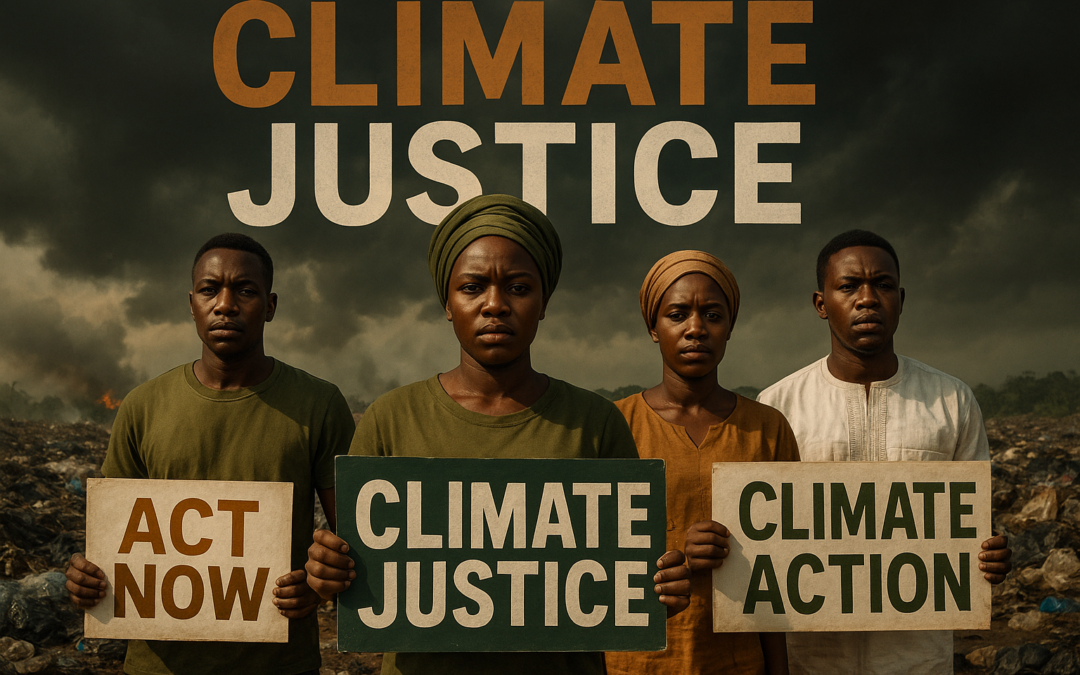
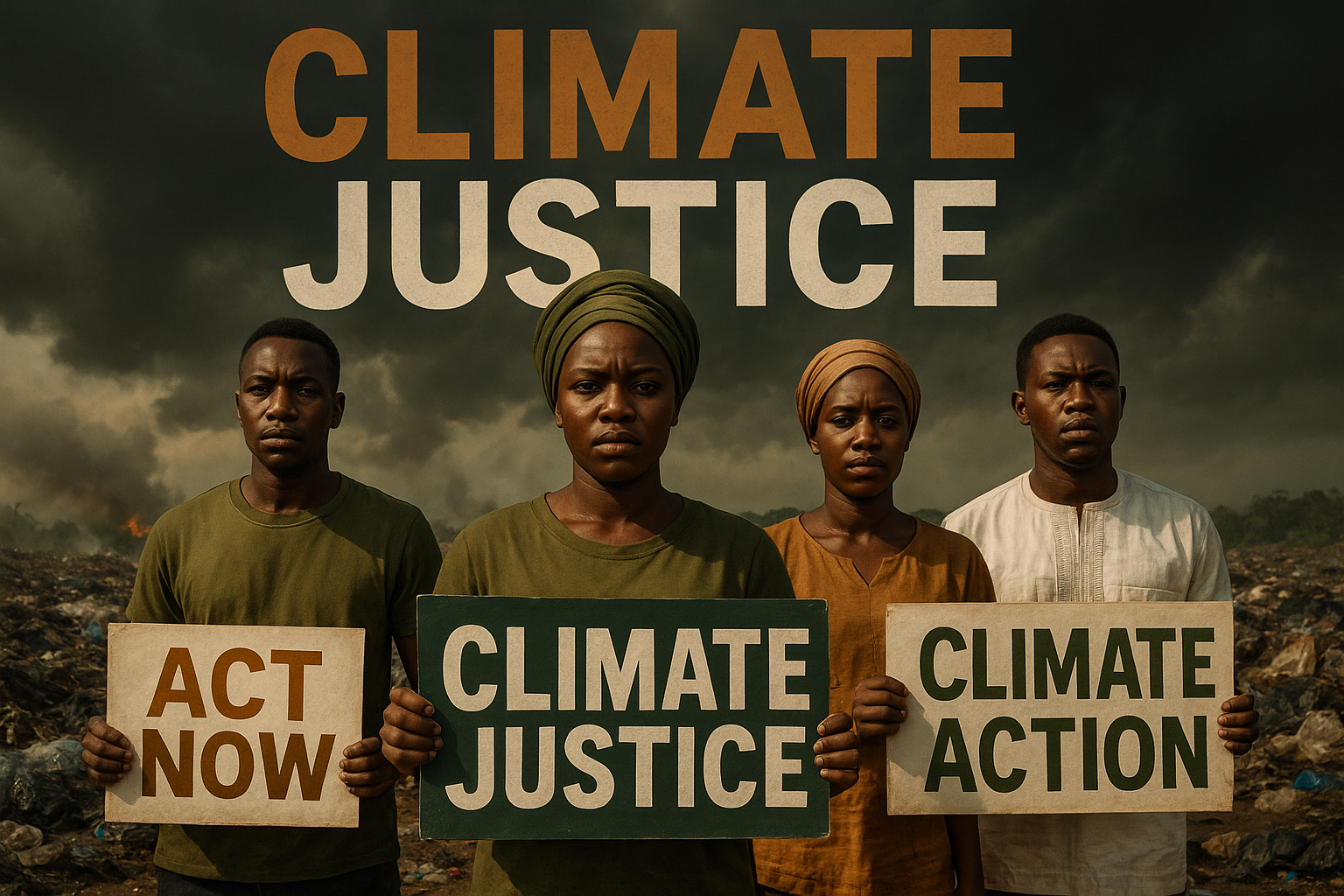
For too long, the cries of African communities suffering from environmental injustice have gone unheard, especially when powerful corporations dominate the global economy. Yet, a powerful wave of resistance is rising across Nigeria, embodied by the Climate Justice Movement. This movement is not simply about protecting the environment; it is about reclaiming dignity, demanding fairness, and holding accountable those who profit from the destruction of ancestral lands and livelihoods.
In particular, this movement focuses on the devastating impact of oil pollution, a scourge that has plagued communities in the Niger Delta for decades. It is a struggle for justice, reparations, and most importantly, for the future of generations to come. Through collective action and legal efforts, Nigerian activists are setting a potent example for the entire African diaspora and beyond.
A United Front for Climate Justice
The Climate Justice Movement in Nigeria emerged as a formidable coalition, specifically created to confront oil polluters and address pervasive environmental injustices. This significant effort gathered over 40 Civil Society Organizations (CSOs) under one banner, spearheaded by groups such as Greenpeace Africa (Greenpeace Africa). Furthermore, these organizations united with a clear mission: to confront environmental damage directly and hold powerful corporations fully accountable.
This coalition also aims to amplify Africa’s voice in global climate justice discussions, ensuring that experiences from the continent are heard on the international stage. Such concentrated efforts address the disproportionate impact of climate change on African nations, which are often the least responsible for global emissions but suffer the most severe consequences (Greenpeace Africa). Moreover, Civil Society Organizations (CSOs) are grassroots organizations that play a vital role in sustaining the climate justice movement by advocating for fair and equitable climate solutions. They base their advocacy on the lived experiences of affected communities (The Solutions Project).
Organizations Uniting for Change
In West Africa, networks of CSOs have formed focal points and commissions, addressing environmental concerns, cultural impacts, and communication strategies. This coordination allows for the development of organized movements that can effectively influence political decisions and national policies (Climate Justice Central). Further, this collaborative approach is crucial in a region where diverse communities face similar struggles against environmental degradation.
The Niger Delta’s Endless Burden: Oil Pollution
The Niger Delta, a coastal region in southern Nigeria, stands as a stark example of environmental injustice. This area, rich in oil reserves, is home to numerous ethnic groups, including the resilient Ogoni people. Unfortunately, its significance lies not only in its natural wealth but also in the profound environmental degradation it has endured due to oil extraction activities (Climate Scorecard). The region experiences over 1,000 oil spills annually, causing widespread damage to rural livelihoods and local ecosystems (Climate Scorecard).
For instance, Shell, a major multinational oil company, has operated extensively in the Niger Delta since the 1950s (Climate Scorecard). Its operations have resulted in extensive environmental pollution, including frequent oil spills and massive gas flaring, which releases immense heat and pollutants into the environment (Climate Scorecard). These actions have severely damaged local ecosystems and livelihoods, turning a vibrant region into a zone of environmental disaster. In fact, Shell’s negligence in the Niger Delta highlights how communities have suffered for decades from environmental damage and pollution, with insufficient compensation or remediation (Greenpeace Africa).
Frequency of Oil Spills in the Niger Delta
The extensive damage and human rights violations, highlighted by organizations such as Amnesty International, underscore the significant scale of this ongoing crisis (Amnesty International). This environmental devastation has led to severe social justice impacts, including health problems, the loss of traditional livelihoods such as fishing and farming, displacement, and increased poverty (Climate Scorecard). The Ogoni crisis of the 1990s brought global attention to Shell’s environmental abuses and issues of corporate responsibility, demonstrating the long history of this struggle (Climate Scorecard).
Fighting for Justice: Legal Battles and Community Demands
The Climate Justice Movement receives strong support from legal actions taken against Shell for environmental damage. Recent legal developments include a Court of Appeal ruling in favor of Nigerian communities, opening a crucial pathway for justice against Shell (Amnesty International). This ruling reinforces the legal basis for environmental justice and provides a framework for cleanup and compensation efforts, setting a significant precedent for future litigation against polluters (Climate Scorecard).
The Ogoni community, an indigenous group in the Niger Delta, has been particularly vocal in their demands for comprehensive cleanup, fair compensation, and true environmental justice. Their activism emphasizes the critical need for robust legal actions against polluters (Corp Accountability Lab). Accountability in Nigeria’s climate justice movement means that oil companies and government bodies must be responsible for preventing environmental harm, cleaning up pollution, and compensating affected communities (Climate Scorecard). This includes ensuring those causing harm answer for their actions through lawsuits, regulations, and public pressure (Climate Scorecard). Enforcement remains a challenge due to weak governance, but international legal rulings and grassroots activism are part of ongoing efforts to bridge this gap (Climate Scorecard).
Beyond Cleanup: Demands for a Fossil-Free Future
The movement extends its demands beyond immediate cleanup to call for comprehensive reparations for Niger Delta communities and a complete end to the fossil fuel era. Climate activists have firmly demanded an end to fossil fuels and full reparations for the devastating damage already inflicted upon the Niger Delta (SweetCrudeReports). This commitment to holding polluters accountable aligns with the broader global goal of transitioning away from fossil fuels, recognizing their undeniable contribution to climate change (Greenpeace Africa).
Fossil fuels, including oil and gas, currently drive much of Nigeria’s economy. However, their extraction and burning have caused severe environmental and social harm, particularly in regions like the Niger Delta (Climate Scorecard). This process directly impacts the climate and compromises the health of communities through pollution (Climate Scorecard). The movement advocates for a transition towards clean and sustainable energy sources, such as solar and wind power, despite the significant structural challenges in financing and infrastructure development (The Solutions Project). The current reliance on fossil fuels, with its associated environmental stress, underscores the urgency of this transition.
Understanding Reparations in the Niger Delta
Meaning of Reparations in the Niger Delta
Reparations in the Niger Delta: This term refers to the compensation and restoration owed to local communities for severe environmental degradation, loss of livelihoods, and health impacts caused by decades of oil pollution. This includes financial compensation, environmental cleanup, health and social support, and an official acknowledgment of wrongdoing. It is a critical demand from affected communities.
The demand for reparations directly emphasizes immediate cleanup and compensation, reflecting the ongoing and unaddressed environmental damage caused by spills and gas flaring (Climate Scorecard). Communities in the Niger Delta have yet to receive fair reparations despite decades of pollution. This fact underlines persistent failures in corporate accountability and government enforcement, driving the movement’s unwavering commitment to justice (Climate Scorecard).
Global Impacts of a Local Fight: Nigeria’s Climate Justice Movement
Nigeria’s Climate Justice Movement has the potential to set a global precedent. It demonstrates how affected communities in Global South countries can successfully demand environmental accountability and reparations from powerful multinational corporations (Climate Scorecard). The legal battles waged and the grassroots mobilization efforts carried out in Nigeria can inspire similar movements worldwide, influencing governments in the Global North and strengthening diaspora advocacy.
International legal systems, especially courts in countries such as the United Kingdom, play a crucial role by providing alternative venues for holding multinational companies accountable when local legal mechanisms prove inadequate (Climate Scorecard). For example, UK courts have accepted claims against Shell by Nigerian communities, highlighting the importance of these cross-border legal avenues (Climate Scorecard). Foreign governments can also exert diplomatic or economic pressure to support environmental justice, indirectly influencing outcomes in Nigeria and elsewhere.
The Human Cost and The Path Ahead for Cleanup
The social justice impacts on local communities are profound and tragic. Oral and general health problems are rampant due to polluted environments, and traditional livelihoods like fishing and agriculture have been decimated (Climate Scorecard). This widespread pollution has led to displacement and exacerbated poverty, compromising community wellbeing and economic stability (Climate Scorecard).
Despite ongoing demands and some promises, cleanup efforts in Nigeria remain largely incomplete and ineffective across many oil-contaminated sites (Climate Scorecard). The sheer scale of pollution, coupled with a lack of adequate funding and weak enforcement of environmental laws, continues to hinder progress. Corporations often fail to remediate spills fully, and government regulatory agencies frequently lack the capacity or political determination to compel comprehensive cleanup actions (Climate Scorecard). Communities continue to suffer from polluted lands and waters, despite the various forms of compensation being demanded, which include economic restitution, healthcare support, and environmental restoration.
The Climate Justice Movement in Nigeria represents a vital step towards addressing historical environmental injustices and holding polluters accountable. This powerful coalition highlights the urgent need for immediate action to clean up contaminated sites, provide meaningful reparations, and transition away from the damaging era of fossil fuels. Furthermore, their unwavering resolve sets a crucial precedent for climate justice movements around the world, particularly for those in the African diaspora confronting similar exploitation and fighting for a more just and sustainable future.
ABOUT THE AUTHOR
Darius Spearman has been a professor of Black Studies at San Diego City College since 2007. He is the author of several books, including Between The Color Lines: A History of African Americans on the California Frontier Through 1890. You can visit Darius online at africanelements.org.
