
Listen & Share
Missouri Abortion Ban: A Deep Dive into Its Impact
By Darius Spearman (africanelements)
Support African Elements at patreon.com/africanelements and hear recent news in a single playlist. Additionally, you can gain early access to ad-free video content.
Missouri’s Abortion Landscape Shifts
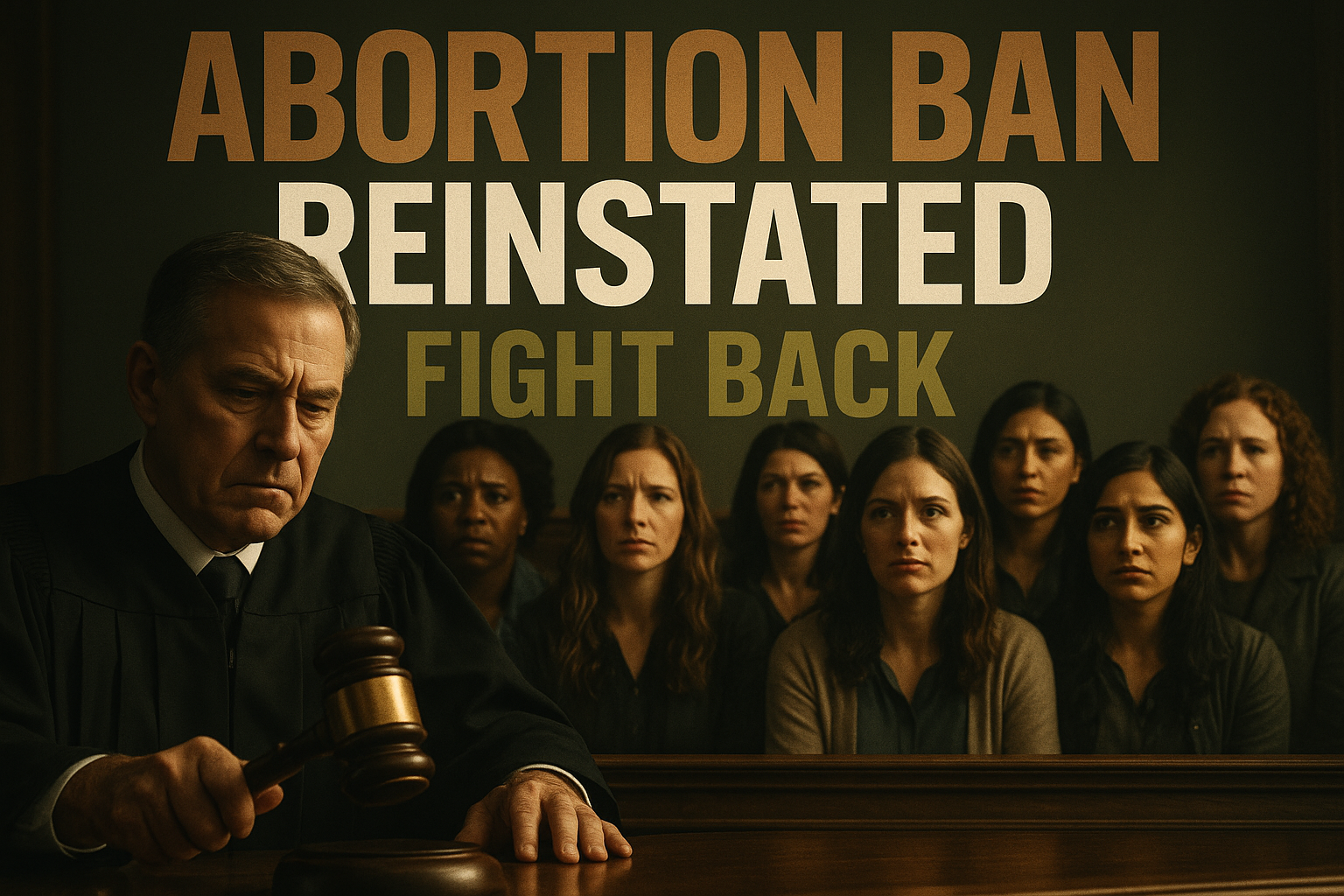
The Missouri Supreme Court recently made a significant decision. This ruling effectively halted abortions across the entire state. Importantly, it reinstated a near-total ban on the procedure (Axios). This development arrived despite voters passing a constitutional amendment aimed at ensuring abortion access last November (STLPR). The court’s action immediately changed the landscape for reproductive care in Missouri.
This decision marked a major blow to abortion rights advocates. It created immediate uncertainty for clinics and patients alike (KCUR). The reinstatement of this ban has far-reaching consequences. It signals a deeply restrictive environment for reproductive healthcare moving forward in Missouri.
Clinics and Patients Face Immediate Disruption
The impact of this court decision was Swift and severe. Planned Parenthood clinics within Missouri promptly canceled abortion appointments (Axios). These cancellations left many patients without vital care. Clinic staff and patients openly expressed their frustration and deep disappointment (STLPR). This immediate halting of services created fear and uncertainty.
For African American women and other marginalized communities, the implications are especially heavy. Systemic barriers already exist within healthcare access. Now, the ban adds another layer of difficulty. These communities often face challenges such as limited transportation and financial strain when traveling for care. This decision further complicates their ability to access necessary health services. Many may not have resources to travel out of state for safe, legal abortions.
Impact on Healthcare Access in Missouri
Planned Parenthood clinics stopped offering abortion services immediately.
Patients now need to travel out of state, adding costs and logistical challenges.
Low-income and marginalized communities face greater barriers due to existing inequalities.
Patients and providers experience frustration and disappointment following the ruling.
Legal and Political Fallout Across the State
The court’s decision represents a significant setback for the constitutional amendment passed by Missouri voters. This amendment had temporarily halted the state’s abortion ban (Axios). The ruling highlights the ongoing tension between voter-approved measures and judicial review. Additionally, it underscores the fragility of reproductive rights as they navigate the legal system (STLPR).
Missouri Attorney General Andrew Bailey strongly supported the court’s decision. He emphasized the importance of health and safety regulations for abortion providers (AGO.MO.gov). His praise signals the state’s firm legal position on abortion access. This stance brings into question the accessibility and future of abortion services in the state.
Reactions and Restrictive Classifications
Advocacy groups expressed immediate and strong reactions to the ruling. Pro-abortion rights organizations, including Planned Parenthood, voiced deep disappointment (Axios). They remain committed to restoring access to abortion services. In contrast, anti-abortion rights groups celebrated the decision (STLPR). This stark contrast illustrates the deeply polarized nature of the issue.
The Guttmacher Institute, a research organization, responded by changing Missouri’s classification. The state moved from “Some Restrictions/Some Protections” to “Most Restrictive” on their interactive map (Axios). This reclassification signifies Missouri’s comprehensive abortion ban. It also considers its mandatory waiting periods and additional regulatory hurdles (Abortion Defense Network). This shift places Missouri among the states with the harshest abortion laws in the nation.
Missouri’s Shift in Abortion Law Classification
Understanding a Near-Total Ban and Provider Regulations
A near-total ban on abortion significantly restricts access. It allows exceptions only in very limited circumstances. In Missouri, this ban permits abortions solely in cases of medical emergency (MO.gov). It makes no specific provisions for situations like rape, incest, or non-life-threatening health risks (KFF.org). This means that while some abortions are allowed, they are strictly limited to life-threatening emergencies.
Health and safety regulations for abortion providers are often broad. They typically aim to ensure patient safety. These regulations can include facility licensing requirements and qualifications for providers (Center for Reproductive Rights). While intended for patient protection, these measures can also be used to impose significant restrictions on abortion clinics. Often, such regulations increase the cost and difficulty of providing services, which in turn limits access for patients.
Considering the Path Forward for Justice
The path forward for challenging Missouri’s abortion ban involves several ongoing strategies. Continued litigation remains a key avenue. Advocacy groups are actively engaged in legal battles to restore abortion access (Center for Reproductive Rights). Additionally, public advocacy and potential legislative actions are also critical components of this fight. These efforts aim to counter the prevailing restrictive environment.
The impact of this ban on marginalized communities, including African American individuals, is profoundly concerning. These communities already face significant historical disparities in healthcare access. They also navigate various systemic barriers (KFF.org). Abortion restrictions can disproportionately affect these groups by increasing travel costs, necessitating time off from work, and creating hurdles at every turn. Such policies exacerbate inequalities already deeply ingrained within the system.
Understanding Near-Total Abortion Ban Exceptions in Missouri
Abortions permitted only when necessary to save the pregnant person’s life.
Abortion is prohibited even in cases where the pregnancy resulted from rape.
Abortion is prohibited even in cases where the pregnancy resulted from incest.
Abortion is not allowed for other health concerns that are not immediately life-threatening.
ABOUT THE AUTHOR
Darius Spearman has been a professor of Black Studies at San Diego City College since 2007. He is the author of several books, including Between The Color Lines: A History of African Americans on the California Frontier Through 1890. You can visit Darius online at africanelements.org.
