

Listen & Share
Shattering the Silence: Addressing Gender-Based Violence in Ghana
By Darius Spearman (africanelements)
Support African Elements at patreon.com/africanelements and hear recent news in a single playlist. Additionally, you can gain early access to ad-free video content.
The prevalence of violence against women in Ghana stands as a profound concern, deeply interwoven with the fabric of its cultural norms and societal structures. As people of African descent, we understand the enduring legacy of struggle and the importance of resilience within our communities. However, the silent epidemic of gender-based violence (GBV) continues to challenge the safety and well-being of our sisters in Ghana. This form of violence represents harmful actions directed at individuals because of their gender, encompassing physical, sexual, or emotional abuse (UN Ghana). It impacts countless lives, echoing through families and affecting entire communities. Addressing these issues requires an honest look at the available data and a collective commitment to fostering change.
Cultural foundations often play a complex role in shaping perceptions and responses to GBV. Traditional gender roles may unfortunately perpetuate such violence, hindering efforts to openly discuss and effectively address it within society (Modern Ghana). We must recognize these deep-seated influences to build a path toward genuine healing and empowerment. By understanding the roots of this problem, we can better support Ghanaian women and advocate for sustainable solutions.
The Pervasive Reach of Violence
Physical violence remains a common form of gender-based harm in Ghana. Statistics reveal that approximately 27 percent of women aged 15 to 49 have endured physical violence at some point in their lives (Modern Ghana). This figure highlights a significant challenge facing Ghanaian women. While the numbers are concerning, there has been some indication of progress over time. The prevalence of physical violence reported since age 15 saw a slight decrease, moving from 37 percent in 2008 to 33 percent in 2022 (Endgbv.africa). This modest decline offers a glimpse of hope, demonstrating that change is possible through sustained effort and awareness.
Despite these small improvements, a substantial number of women continue to experience physical violence regularly. For instance, 12.2 percent of women in the 15 to 49 age bracket reported experiencing physical violence often or sometimes during the 12 months before a recent survey (Endgbv.africa). These findings underscore the urgent need for ongoing interventions. The lasting implications of physical violence extend to a woman’s overall health and well-being, affecting her physically and emotionally. Our collective conscience must compel us to stand in solidarity with those impacted.
Understanding Gender-Based Violence (GBV)
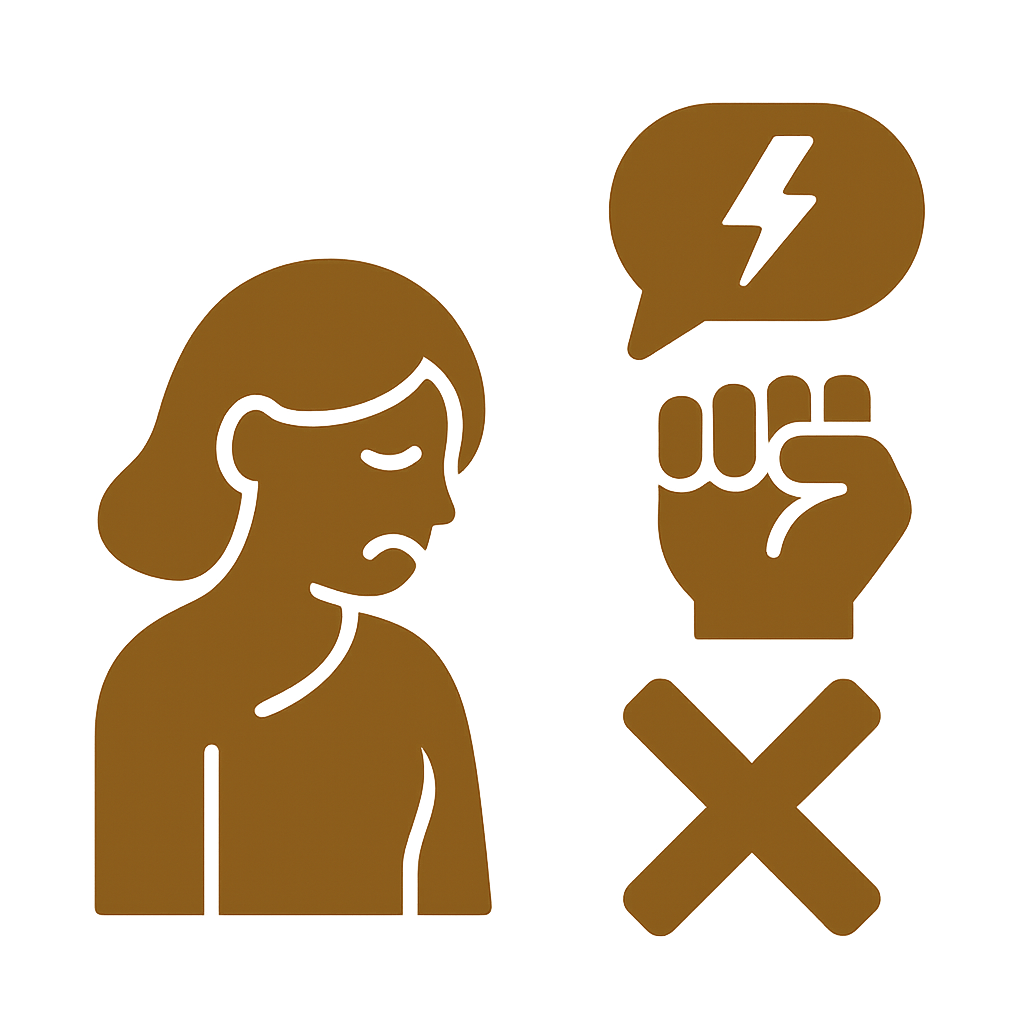
Gender-Based Violence (GBV): This term refers to harmful acts directed at individuals based on their gender. It encompasses a wide range of abuses, including physical, sexual, or emotional harm, with significant impacts on women and girls globally and in Ghana.
Sexual Violence: A Deeply Troubling Reality in Ghana
Sexual violence represents another critical issue impacting women in Ghana. Approximately 14 percent of women aged 15 to 49 have experienced sexual violence at some point in their lives (Ghana Statistical Service). Furthermore, 6 percent of women within this age group reported experiencing sexual violence within the 12 months before a survey (Ghana Statistical Service). These figures paint a sobering picture of frequent threats to bodily autonomy and safety.
Broader studies reinforce the pervasive nature of this problem. For instance, data indicates that about 30 percent of Ghanaian women encounter sexual violence at least once in their lives (Endgbv.africa). It is imperative that we recognize sexual violence as a profound violation of human rights that affects women across all walks of life, regardless of their marital status. The scars of such trauma run deep, affecting mental health, physical well-being, and a woman’s ability to thrive. Our communities must foster environments where victims are heard, believed, and supported.
Understanding Intimate Partner Violence (IPV)

Intimate Partner Violence (IPV): This refers to any behavior within an intimate relationship that inflicts physical, psychological, or sexual harm upon those involved. It is a significant component of gender-based violence in Ghana.
When Home Harbors Harm: Intimate Partner Violence
Intimate partner violence (IPV) remains a significant concern, highlighting the urgent need for interventions within domestic relationships. IPV encompasses any behavior within an intimate connection that causes physical, psychological, or sexual harm to those involved (UN Ghana). A notable 10 percent of women aged 15 to 49 have reported experiencing sexual violence at the hands of their partners (Modern Ghana). This statistic reveals the devastating reality that for many, the very spaces meant to be safe harbor danger.
Despite the persistent issue, some positive trends are emerging. For instance, the percentage of ever-married women experiencing physical, sexual, or emotional violence from their current or most recent partner slightly decreased from 40 percent in 2008 to 36 percent in 2022 (Endgbv.africa). Progress, while slow, marks incremental strides toward safer environments for Ghanaian women. We must, therefore, maintain our vigilance and amplify efforts to ensure that such positive shifts continue. Understanding these trends requires acknowledging “ever-married women” as those who have been married at least once in their lifetime, capturing a broad spectrum of experiences from currently married individuals to those who are divorced or widowed (UN Ghana).
Overall, approximately 24.4 percent of women between 15 and 49 years of age have experienced intimate partner physical and/or sexual violence at least once in their lifetime (UN Ghana). Another study indicates that about one in four Ghanaian women has suffered physical and/or sexual violence from an intimate partner (Afrobarometer). These figures underscore the profound reach of IPV across Ghanaian society. The collective efforts of families, communities, and governmental agencies are essential to dismantle the patterns of violence and foster respectful relationships.
The Weight of Silence: Underreporting and Seeking Help
A disturbing aspect of gender-based violence in Ghana is the low rate of reporting and seeking help. Only 38 percent of women who experienced physical or sexual violence decided to seek assistance to stop the abuse (Endgbv.africa). This low percentage illustrates a significant gap between the prevalence of violence and the support received by victims. It also tells us that many cases remain hidden, making the problem appear less severe than it truly is.
Many victims of GBV do not seek help due to various formidable barriers. Stigma, fear of reprisal, and a lack of trust in legal systems are powerful deterrents (Afrobarometer). These challenges mean that a vast number of cases go unreported, hindering both accurate data collection and effective intervention. The silence surrounding violence allows it to persist, causing deeper harm to individuals and communities alike. We must work tirelessly to create environments where women feel safe to speak out, knowing that their voices will be heard and their experiences validated.
Physical Violence Prevalence Trends in Ghana (Aged 15+)
Building a Safer Tomorrow: Policies and Support Systems
Ghana has established various policies and support systems to combat gender-based violence. The Ghana Statistical Service (GSS), a government agency, plays a vital role in collecting and analyzing data, which is essential for informing policy decisions (UN Ghana). Their work helps to illuminate the scope of the problem and guides the development of targeted interventions. Understanding the nuances of statistical terms, and how frequency of reporting can influence insights, is critical for accurate interpretations of the prevalence of GBV.
Beyond data collection, tangible support structures are in place. The Domestic Violence and Victims Support Unit (DOVVSU) within the Ghana Police Service offers a crucial point of contact for victims seeking assistance (Afrobarometer). Additionally, the Department of Social Welfare and the Commission on Human Rights and Administrative Justice (CHRAJ) provide a range of services aimed at supporting GBV victims (Afrobarometer). These institutions are pillars of hope, working to provide legal and social support to those who have endured violence. Awareness campaigns, such as the global “16 Days of Activism against Gender-Based Violence,” also contribute to raising public consciousness and advocating for solutions (UNFPA).
Prevalence of Sexual Violence in Ghana
A Call to Action in the African Diaspora
The journey toward truly eradicating gender-based violence in Ghana is complex and multifaceted. It demands a holistic approach that considers cultural nuances along with legal frameworks. As members of the African diaspora, we have a unique role to play. Our shared heritage connects us to the struggles and triumphs of our kin across the continent. We must utilize our collective voice and resources to advocate for sustainable change and support initiatives that empower Ghanaian women.
The available data paints a clear picture of the ongoing challenges, yet it also highlights areas of progress. Continued commitment to data-driven solutions is essential. We must push for greater awareness, stronger legal enforcement, and expanded access to support services for victims. It is also crucial to challenge deeply ingrained patriarchal norms that perpetuate violence, working towards a world where respect and equality define every relationship. By standing together, we can help break the cycle of violence and build a future where every Ghanaian woman lives free from fear.
Help-Seeking Behavior Among GBV Victims in Ghana
ABOUT THE AUTHOR
Darius Spearman has been a professor of Black Studies at San Diego City College since 2007. He is the author of several books, including Between The Color Lines: A History of African Americans on the California Frontier Through 1890. You can visit Darius online at africanelements.org.
