

South Sudan's Deepening Crisis
By Darius Spearman (africanelements)
Support African Elements at patreon.com/africanelements and hear recent news in a single playlist. Additionally, you can gain early access to ad-free video content.
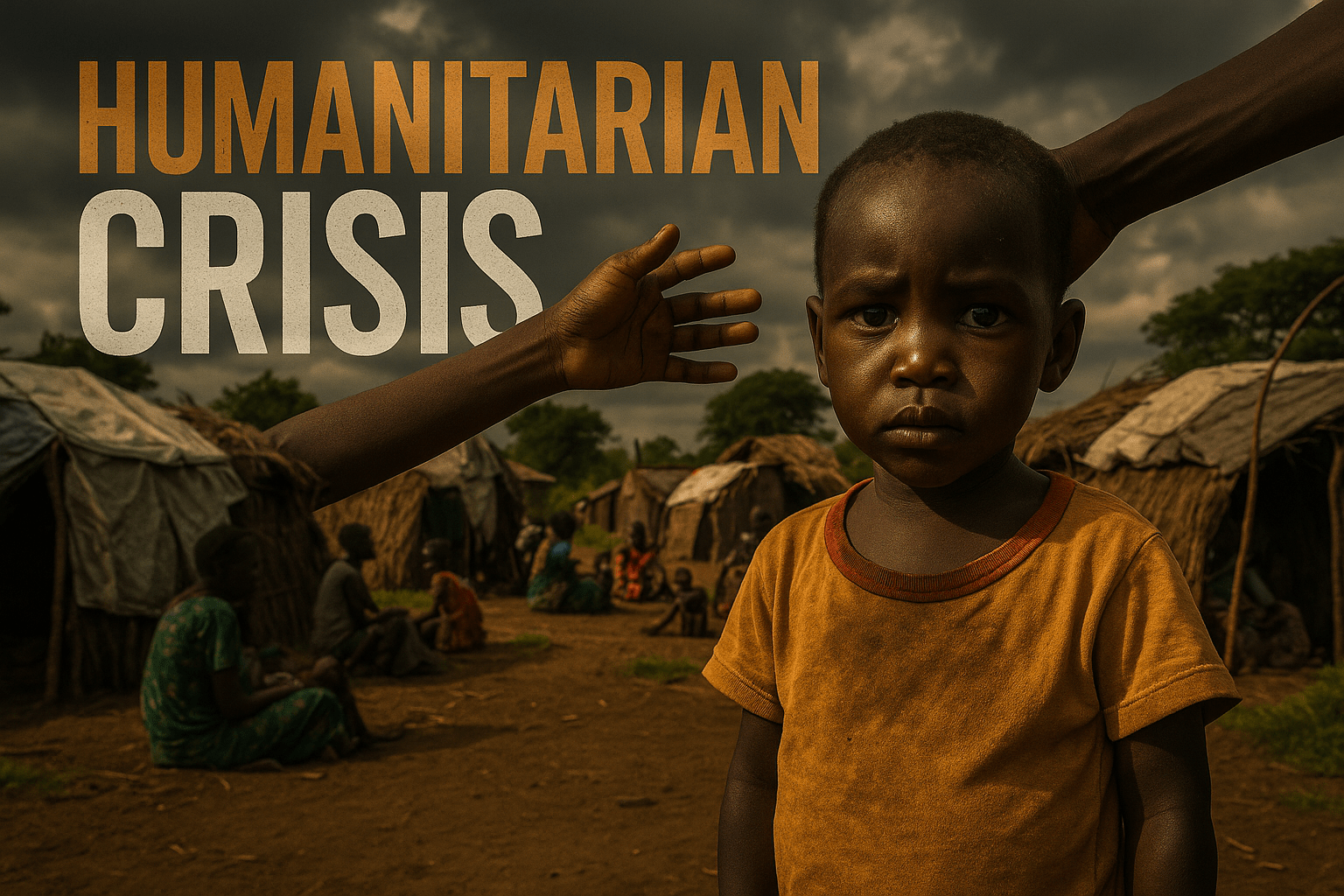
Humanitarian Crisis in South Sudan
The humanitarian and security situation in South Sudan is worsening. Ongoing military offensives are causing deaths, displacement, and destruction (africanews.com). Recent airstrikes have been reported in Akobo County, a region already struggling with a cholera outbreak (savethechildren.org). The nationwide tensions risk spiraling the country back into conflict, seven years after the landmark peace agreement (savethechildren.org).
Conflict and other crises are driving hunger to unprecedented levels globally, a factor likely exacerbating the situation in South Sudan (unwater.org). Displacement is on the rise due to violence and natural disasters, leaving many vulnerable to malnutrition and death (unwater.org). The United Nations Assistant Secretary-General for Africa, Martha Ama Akyaa Pobee, has stated that security and humanitarian conditions in South Sudan are deteriorating (africanews.com).
Faltering Peace Process
The peace process in South Sudan, stemming from the 2018 Revitalized Peace Agreement, is faltering. There is a continued erosion of trust among parties (africanews.com). The agreement aimed for President Salva Kiir and First Vice President Riek Machar to work in concord (africanews.com). However, Machar's party claims the deal collapsed after he and his wife were placed under house arrest in March (africanews.com).
Military offensives have continued between Machar's rival militia and government troops loyal to the president (africanews.com). The UN Security Council regularly receives reports from the Secretary-General, which would include updates on peace processes in Africa (un.org, un.org). This ongoing conflict undermines efforts to achieve lasting peace and stability in the region.
Humanitarian Aid Shortfalls
South Sudan is facing a severe humanitarian crisis. A significant portion of its population is in need of aid, and funding shortfalls are hindering response efforts. Approximately 78% of the population in South Sudan needs aid (savethechildren.org). Over nine million people require urgent humanitarian assistance (africanews.com).
Only 28.5% of the 2025 Humanitarian Needs and Response Plan has been pledged (africanews.com). Aid workers face mounting risks, including attacks and administrative barriers (africanews.com). The Government of South Sudan has reported funding of over 18 million for 2025 (unocha.org). Children are dying from cholera due to aid cuts that have shut down local health clinics, forcing them to walk for hours for treatment (savethechildren.org).
2025 Humanitarian Funding Status
Impact of Sudan Conflict
The ongoing civil war in neighboring Sudan is exacerbating South Sudan's humanitarian challenges. The conflict has driven 1.2 million refugees into South Sudan (africanews.com). This influx of refugees is straining already-limited resources in South Sudan (africanews.com). The conflict in Sudan, which began in April 2023, involves the Government of Sudan Armed Forces and the Rapid Support Forces (unocha.org).
Over 904,000 people have crossed into South Sudan from Sudan as of December 2024, with an additional 337,000 expected in 2025 (unocha.org). Many new arrivals are residing in communities in South Sudan that are already struggling with acute humanitarian needs, including severe food insecurity and limited access to essential services (reliefweb.int). Upper Nile State, which shares a long border with Sudan, has been among the regions most impacted by the conflict and the influx of displaced people (reliefweb.int).
Displacement Figures in South Sudan
Calls for Dialogue
Calls for an end to hostilities and a return to dialogue have been unsuccessful. The UN urges parties to unblock the political deadlock (africanews.com). Martha Ama Akyaa Pobee urged parties to fully recommit to the Cessation of Hostilities Agreement (africanews.com). She also called for the release of political detainees and engagement in direct high-level dialogue (africanews.com).
An inclusive peace process is essential for resolving the crisis (africanews.com). The Deputy Permanent Representative of South Sudan to the UN, Sabino Edward Nyawella Amaikwey, stated the country's commitment to addressing obstacles to UN operations (africanews.com). Despite these calls, the political deadlock persists, hindering humanitarian efforts and prolonging the suffering of the South Sudanese people.
Understanding the Discrepancy in Needs
There is a discrepancy in humanitarian needs figures for South Sudan. This arises from the prioritization of acute needs within the 2025 Humanitarian Needs and Response Plan. This plan targets a subset of the total population in need (unocha.org). While a larger percentage of the population may experience some form of humanitarian need, the response plan focuses on those with the most severe and immediate requirements.
South Sudan is facing a complex humanitarian crisis characterized by widespread food insecurity, critical rates of acute malnutrition, displacement, and the erosion of traditional livelihood systems (reliefweb.int). The conflict in Sudan has compounded the situation, driving 1.1 million people into South Sudan, further increasing humanitarian needs (reliefweb.int).
Complex Displacement Landscape
Displacement in South Sudan is a complex issue involving various categories of displaced individuals. These include internally displaced persons (IDPs), refugees, and returnees. The ongoing conflict in Sudan has significantly contributed to the influx of people into South Sudan, exacerbating the existing humanitarian burden (reliefweb.int). Since the conflict began in April 2023, more than one million people have fled across the border into South Sudan from Sudan (reliefweb.int).
As of December 2024, over 904,000 people have been recorded crossing into South Sudan from Sudan, with an additional 337,000 people expected to arrive in 2025 (unocha.org). South Sudanese returnees account for 86% of all arrivals from Sudan (reliefweb.int). Localized violence and communal tensions over natural resources continue to trigger population displacement within South Sudan (unocha.org).
Sudan Conflict's Ripple Effect
The conflict in Sudan, which began in April 2023 between the Government of Sudan Armed Forces and the Rapid Support Forces, has led to a significant influx of people into South Sudan (unocha.org). This displacement has exacerbated South Sudan's already fragile humanitarian situation and strained its limited infrastructure and resources (reliefweb.int). Over 904,000 people have crossed into South Sudan from Sudan as of December 2024, with an additional 337,000 expected in 2025 (unocha.org).
Many new arrivals from Sudan are residing in communities in South Sudan that are already struggling with acute humanitarian needs, including severe food insecurity and limited access to essential services (reliefweb.int). Upper Nile State, which shares a long border with Sudan, has been among the regions most impacted by the conflict and the influx of displaced people (reliefweb.int). The ongoing instability in Sudan continues to pose a significant challenge for South Sudan's ability to cope with its own internal crises.
Funding Gaps and Aid Delivery
The humanitarian response in South Sudan faces significant funding shortfalls. These shortfalls directly impact the ability to deliver aid to those in need. The reported funding pledges and government contributions represent only a fraction of the total required to address the widespread humanitarian crisis (reliefweb.int). The World Food Programme (WFP) faces a USD 379 million funding shortfall for the rest of 2025 against its operational plan in South Sudan (reliefweb.int).
This shortfall impacts the food and nutrition requirements of crisis-affected people, food prepositioning before the rainy season, and other logistical support services (reliefweb.int). The humanitarian situation in South Sudan is exacerbated by a severe economic downturn, making external funding crucial for aid delivery (reliefweb.int). Without adequate funding, the capacity to provide life-saving assistance remains severely limited, leaving millions vulnerable.
WFP Funding Shortfall for South Sudan (2025)
Cholera Outbreak and Health Access
Cholera is a critical issue in Akobo County and is linked to aid cuts (savethechildren.org). Cholera is an acute diarrheal infection caused by consuming food or water contaminated with the bacterium Vibrio cholerae. It can cause severe dehydration and death if not treated promptly. The closure of health clinics due to aid cuts exacerbates mortality rates because people lose immediate access to life-saving treatment, forcing them to travel long distances for care (savethechildren.org).
The lack of accessible healthcare facilities means that outbreaks can spread more rapidly and have a more devastating impact on vulnerable populations, especially children. This situation highlights the critical need for sustained funding and support for health services in South Sudan to prevent further loss of life from preventable diseases.
Peace Agreement Background
The 2018 Revitalized Peace Agreement was a landmark deal aimed at ending South Sudan's five-year civil war (africanews.com). It required President Salva Kiir and First Vice President Riek Machar to work together in concord (africanews.com). The agreement was significant because it sought to unite rival factions and establish a transitional government, laying the groundwork for a more stable future. However, the peace process has been fragile, with continued tensions and military offensives undermining its progress (africanews.com).
The roles of President Salva Kiir and First Vice President Riek Machar are central to the conflict. Their inability to work together, as evidenced by Machar's house arrest, directly impacts the peace process (africanews.com). The continued military engagements between Machar's militia and government troops loyal to the president further illustrate the deep-seated divisions that prevent lasting peace (africanews.com).
Risks to Aid Workers
Aid workers in South Sudan face mounting risks, including attacks and administrative barriers (africanews.com). These risks can include direct violence, kidnappings, and harassment, which severely impede their ability to deliver essential aid. Administrative barriers, such as delays in obtaining permits or restrictions on movement, further complicate humanitarian operations. These challenges make it difficult for aid organizations to reach those in need, especially in remote or conflict-affected areas.
The perpetrators of these risks are often various armed groups and sometimes even government forces, though specific details are not always publicly available. The impact on aid operations is profound, leading to reduced access, increased costs, and a heightened risk for humanitarian personnel. Addressing these risks is crucial for ensuring that aid can reach the millions of people who desperately need it.
Political Detainees and Dialogue
The call for the release of political detainees is a key component of the UN's efforts to unblock the political deadlock in South Sudan (africanews.com). While specific details about who these detainees are or why they were detained are not provided, their release is seen as a crucial step toward building trust and fostering an environment conducive to dialogue. Their detention likely stems from political rivalries and attempts to suppress dissent, which further entrenches the conflict.
The presence of political detainees hinders an inclusive peace process because it suggests a lack of willingness to engage in open and fair political discourse. Releasing them and engaging in direct high-level dialogue are essential steps toward resolving the crisis and ensuring that all parties feel represented in the peace process (africanews.com). Without these measures, the cycle of conflict and instability is likely to continue.
Natural Disasters and Food Insecurity
Natural disasters also contribute to displacement in South Sudan (unwater.org). While the specific types of disasters are not detailed, South Sudan is prone to floods and droughts, which severely impact agricultural production and livelihoods. These events destroy homes, displace communities, and exacerbate food insecurity. The timing and scale of these disasters vary, but their cumulative effect is devastating, pushing more people into humanitarian need.
Hunger is described as “unprecedented” and linked to global crises (unwater.org). This means that malnutrition rates are high, and food availability is severely limited for many. Vulnerable groups, including children, women, and the elderly, are particularly affected, facing severe health consequences and increased mortality. The combination of conflict, displacement, and natural disasters creates a complex web of challenges that makes it incredibly difficult for people to secure food and maintain their livelihoods.
ABOUT THE AUTHOR
Darius Spearman has been a professor of Black Studies at San Diego City College since 2007. He is the author of several books, including Between The Color Lines: A History of African Americans on the California Frontier Through 1890. You can visit Darius online at africanelements.org.
