
Listen & Share
Transgender Rights and the Black Experience in America
By Darius Spearman (africanelements)
Support African Elements at patreon.com/africanelements and hear recent news in a single playlist. Additionally, you can gain early access to ad-free video content.
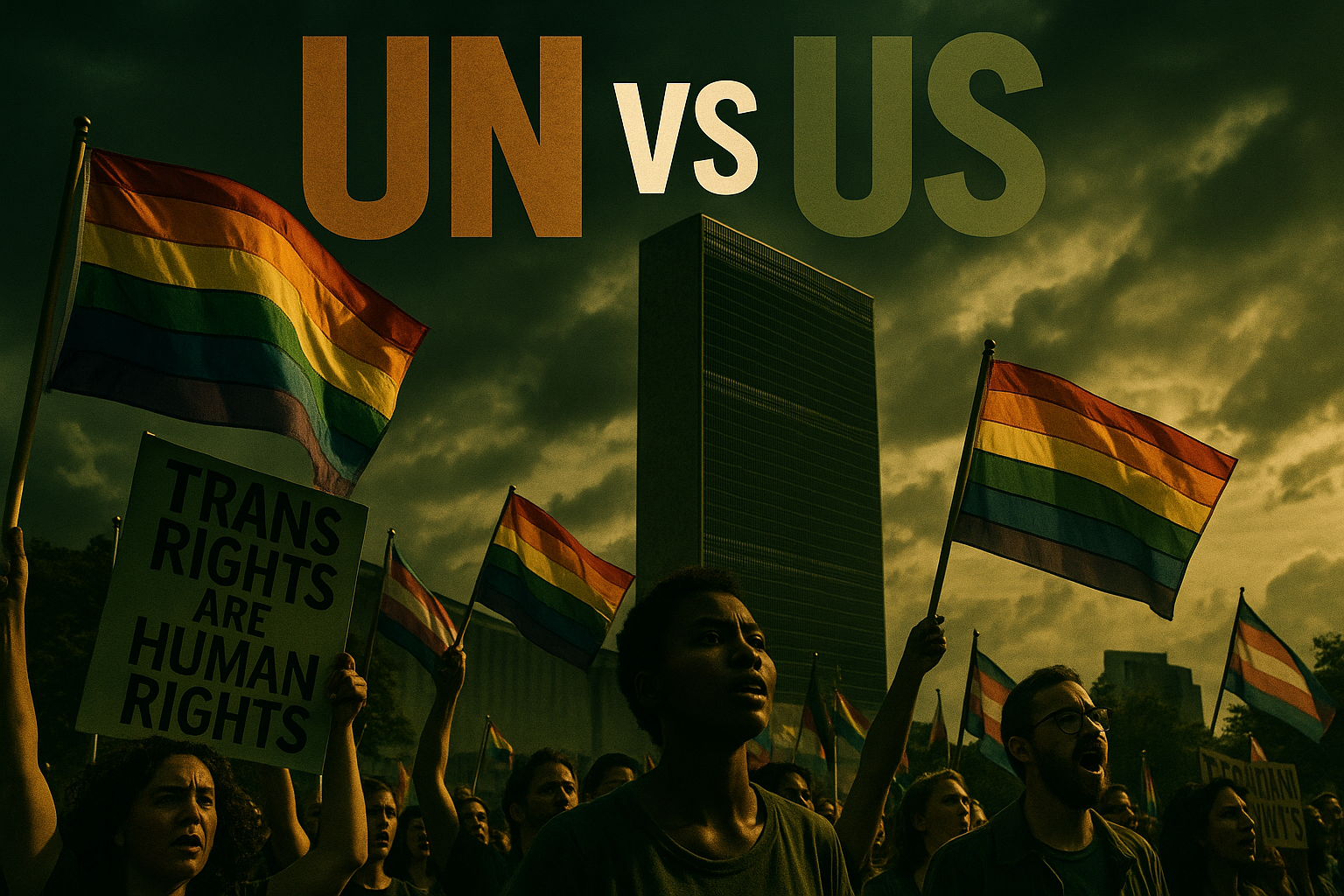
Across the United States, a rising tide of legislation targets the rights of transgender individuals. Specifically, this legal onslaught disproportionately impacts transgender youth and their access to essential healthcare. While the United Nations consistently champions LGBTQ+ rights globally, a stark contrast emerges when comparing these international efforts with current US policies. For Black transgender individuals and their communities, these legislative battles are not simply about medical care or bathroom access; they are about fundamental human dignity and the persistent struggle against interlocking systems of oppression.
Every piece of legislation aiming to restrict transgender rights carries direct consequences for the health, safety, and well-being of Black transgender youth. The fight for transgender liberation is an inherent part of the broader civil rights movement. We must carefully consider how new laws and policies affect those already marginalized by both racial and gender-based discrimination.
The Battle Over Gender-Affirming Care
The United States has recently witnessed considerable legislative action against transgender rights. These actions include a particular focus on gender-affirming care for adolescents (US: Bans on Gender-Affirming Care Harm Trans Youth). An alarming number of young transgender people now reside in states where bans on this vital care are in effect. More than 100,000 transgender youth live in states that have enacted such prohibitions (US: Bans on Gender-Affirming Care Harm Trans Youth).
In addition, some states have taken even more extreme measures. Six states now classify providing gender-affirming care as a felony offense (US: Bans on Gender-Affirming Care Harm Trans Youth). These bans harm transgender youth and their families severely. They create unnecessary barriers to accessing essential medical care and exacerbate social tensions within communities (US: Bans on Gender-Affirming Care Harm Trans Youth). For Black transgender youth, these challenges are compounded by existing racial biases within healthcare systems and society at large.
Challenges to Transgender Youth Healthcare Access
Navigating Public Spaces and Discrimination
Beyond healthcare, legislative efforts also target the daily lives of transgender individuals, particularly regarding public bathroom access. Presently, nineteen states have enacted laws that prevent transgender individuals from using restrooms that align with their gender identity in government buildings (Where anti-trans state bills stand in 2025). These policies are contentious because they deny basic human rights. They often lead to feelings of exclusion and vulnerability to harassment for transgender people.
For Black transgender people, the fear of discrimination in public spaces is heightened by existing racial profiling and prejudice. This intersection of identities means they face multiple layers of potential harm, whether trying to access a public restroom or simply navigate daily life. Non-discrimination initiatives are essential to ensuring equal access to basic services and public spaces. They serve to protect marginalized communities from the pervasive effects of discrimination.
Understanding Non-Discrimination

Non-discrimination refers to the fundamental principle that all individuals should be treated equally. This means without prejudice based on characteristics such as gender, race, sexual orientation, or gender identity. In the context of transgender individuals, it ensures equal access to vital services like healthcare, housing, and public spaces, aligning with the UN’s global priorities.
The Military Service Restrictions
The struggle for transgender rights extends even to military service. The US Supreme Court allowed a ban on transgender individuals serving in the military, despite significant legal challenges (Supreme Court allows Trump to ban transgender people from military). This ban was initially challenged in court, with a district judge ruling it violated equal protection guarantees (Supreme Court allows Trump to ban transgender people from military). The ruling indicated that such a prohibition was indeed discriminatory.
Historically, policies like “Don’t Ask, Don’t Tell” previously restricted LGBTQ+ military service. These changes have created uncertainty for transgender service members. For Black transgender individuals seeking to serve their country, these bans add another layer of systemic barrier to their aspirations. Their patriotism and commitment are questioned not on their merit or capability, but on their identity.
Understanding Gender-Affirming Care

Gender-affirming care encompasses a range of interventions. These include social, psychological, behavioral, and medical treatments designed to support an individual’s gender identity when it differs from the gender they were assigned at birth. This comprehensive care spans from hormone therapy and mental health services to various surgical options, all recognized as medically necessary by major health organizations to improve well-being.
The United Nations and Global Advocacy
While the United States grapples with these internal debates, the United Nations maintains a consistent and clear stance on global human rights. Although specific UN actions directly challenging recent US policies are not detailed in the provided information, the UN generally supports LGBTQ+ rights and actively promotes inclusivity across the world. The UN consistently advocates for the rights of LGBTQ+ individuals globally. They emphasize the importance of equality and non-discrimination for all people. This international advocacy provides a framework and external pressure for nations to uphold human rights standards.
The UN’s role in promoting LGBTQ+ rights is crucial. The body helps to establish a worldwide standard against which individual countries can be measured. This global perspective highlights how US policies might deviate from international norms of human rights and equality. Therefore, this serves as a reminder that the struggle for Black transgender rights is also a global human rights issue.
Understanding the Term “Transgender”
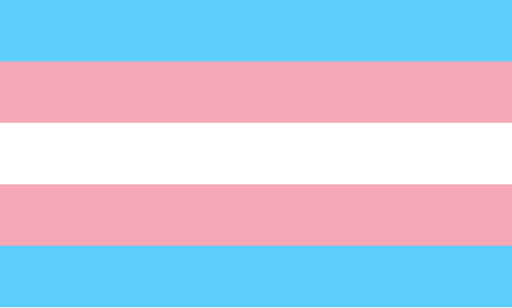
A transgender person is an individual whose gender identity does not align with the gender they were assigned at birth. This spectrum includes individuals who identify as male, female, a combination of both, neither, or whose gender identity is fluid. Many transgender individuals may experience gender dysphoria when their physical appearance does not reflect their inner sense of self, often leading them to seek gender-affirming care.
The Health Impacts of Policy Decisions
The consequences of bans on gender-affirming care are profound. Individuals often experience significant health issues, including increased anxiety, depression, and a heightened risk of suicide among transgender youth (Gender-Affirming Care Saves Lives). Crucially, these bans deny access to essential healthcare services that are recognized as medically necessary. Many organizations have highlighted that gender-affirming care improves mental health and overall well-being for transgender people (Gender-Affirming Care and HCH: Definitions, Resources, and … – NHCHC). Without such care, the well-being of these youth is severely compromised.
The impact of these policies is particularly devastating for African American transgender youth. They face discrimination on both racial and gender-based grounds. This dual vulnerability exacerbates mental health challenges, placing them at even greater risk. We must prioritize these young people in our advocacy efforts. Their unique experiences highlight the urgent need for comprehensive and inclusive healthcare policies.
Bathroom Access Bans in US States (2025)
Current Legal Challenges and Future Outlook
The legal landscape surrounding transgender rights in the United States remains highly dynamic. A significant case, Skrmetti v. United States, challenges Tennessee’s ban on gender-affirming care. This case is currently pending before the US Supreme Court, with a decision anticipated in June (US: Bans on Gender-Affirming Care Harm Trans Youth). The outcome of this case holds immense implications for the future of transgender rights nationwide. The decision will set a precedent for other states considering similar legislative actions.
The motivations behind anti-trans legislation are complex, often driven by political strategy, misinformation, and various ideological influences. These factors contribute to the ongoing challenges faced by transgender communities. The broader societal and political tensions at play are evident. Continuous advocacy and legal defense are necessary to counter these trends. The fight for equal rights and protections for Black transgender individuals is intertwined with the fate of these legal challenges. This community understands that their liberation is tied to the liberation of all oppressed people.
Key Supreme Court Case Pending for Transgender Rights
ABOUT THE AUTHOR
Darius Spearman has been a professor of Black Studies at San Diego City College since 2007. He is the author of several books, including Between The Color Lines: A History of African Americans on the California Frontier Through 1890. You can visit Darius online at africanelements.org.
