
Listen to this article
Download AudioCobalt Mining’s Dark Side in the DRC
By Darius Spearman (africanelements)
Support African Elements at patreon.com/africanelements and hear recent news in a single playlist. Additionally, you can gain early access to ad-free video content.
Cobalt’s Critical Role and the DRC’s Predicament
The Democratic Republic of Congo (DRC) stands at the heart of the global clean energy transition, yet it faces a profound environmental and humanitarian crisis. This crisis is fueled by the soaring demand for cobalt, a vital component in the lithium-ion batteries that power electric vehicles and countless electronic devices. The DRC is the world’s leading producer of cobalt, supplying a staggering majority of the global demand (trade.gov). In 2022, the DRC produced 130,000 tons of cobalt, which was nearly 68 percent of the world’s total (trade.gov). In 2023, this figure rose to 170,000 metric tons (statista.com). This immense production places the DRC in a strategic position for the energy transition, but it also exposes the nation to significant challenges.
The demand for cobalt is projected to double by 2030 (ipsnews.net), intensifying the pressure on the DRC’s already strained resources and communities. The primary minerals sector, including cobalt, generates over 95 percent of the DRC’s export revenue (state.gov). This economic dependency, while providing revenue, also makes the country vulnerable to fluctuations in global commodity prices. The global demand for cobalt is expected to remain strong, but concerns from downstream players about sourcing cobalt from the DRC must be taken seriously (documents1.worldbank.org). The reliance on mineral exports means that the country’s economic stability is heavily tied to the volatile global market for these critical resources.
Artisanal Mining and Human Rights
The high demand for cobalt has led to a proliferation of artisanal and small-scale mining (ASM) operations across the DRC. These operations are often unregulated, informal, and disregard safety protocols (ipsnews.net). An estimated 200,000 to 250,000 ASM miners in the DRC are responsible for mining as much as 25 percent of the country’s cobalt (ipsnews.net). Furthermore, around 150,000 to 200,000 artisanal miners work cobalt deposits in the DRC (issafrica.org), and another million people depend on the incomes of these artisanal miners (issafrica.org).
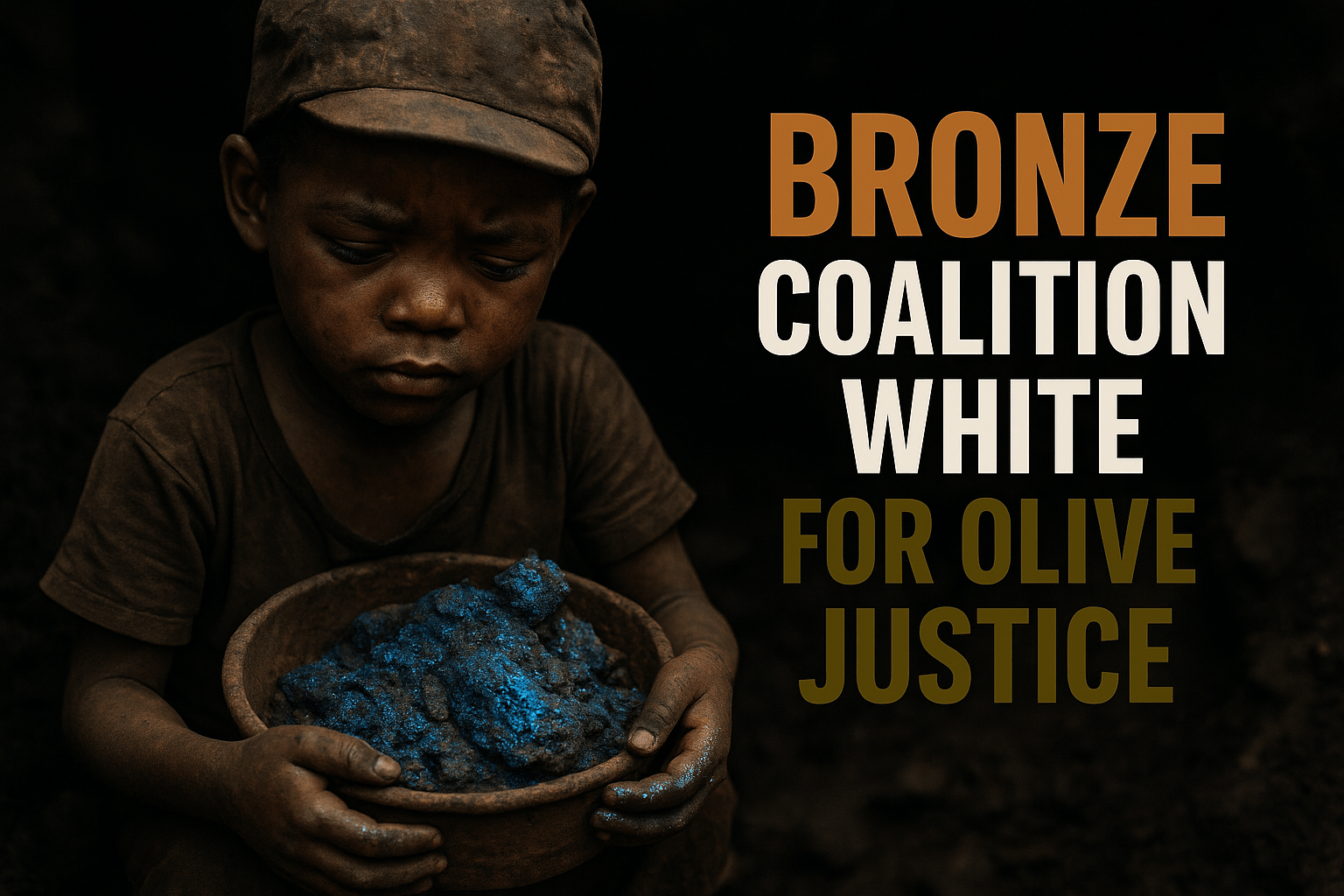
One of the most distressing aspects of ASM is the widespread use of child labor. Children in mining areas in the DRC work in hazardous and life-threatening conditions (ilo.org). An estimated 40,000 children labor in the DRC’s artisanal cobalt mines under dangerous circumstances (theconversation.com). These children, some as young as seven, face severe risks, including respiratory illnesses, skin problems, and physical injuries. ASM can also lead to conflict between traditional licensed large-scale mining operations and artisanal miners over access to minerals (ipsnews.net). Efforts are underway to formalize artisanal cobalt mining in the DRC, but much work remains (iied.org). Formalization entails integrating informal miners into regulated frameworks, requiring them to be members of authorized mining cooperatives and hold artisanal mining permits after formal registration (issafrica.org).
DRC Cobalt Production Snapshot
Environmental Devastation from Mining
Cobalt mining in the DRC is causing severe environmental degradation, including deforestation, water pollution, and soil contamination. Mining sites require large areas of land, leading to extensive deforestation and the formation of open pits (ipsnews.net). These open pits release dust and toxic chemicals into the air, polluting surrounding waterways (ipsnews.net). Moreover, cobalt mines often contain sulfur minerals, which can create acid mine drainage when exposed to air and water (ipsnews.net). This sulfuric acid is incredibly harmful, making water unsafe for human consumption and harming aquatic life (ipsnews.net).
The environmental impact extends to the Congo Basin, one of the world’s most important carbon sinks. Mining activities are tearing through this vital ecosystem, leaving behind poisoned rivers, deforested landscapes, and devastated habitats (ipsnews.net). The loss of these lush forests threatens biodiversity and accelerates climate change, robbing future generations of their environmental heritage. The scale of habitat loss and water contamination is immense, though precise figures are difficult to obtain due to the informal nature of many operations and the vastness of the affected areas. The long-term consequences for the environment and the communities that depend on it are dire.
Mining’s Impact on Food Security
The environmental impacts of mining exacerbate food insecurity in the DRC, despite the country’s vast arable land. Contaminants in the soil and water from mining make growing crops difficult (ipsnews.net). Furthermore, forest resources disappear as more land is cleared for new mines (ipsnews.net). This destruction of agricultural land and natural resources directly impacts the ability of communities to feed themselves. Over 25 million Congolese people suffer from a lack of access to food (ipsnews.net).
The challenges to food security are compounded by climate change. Unpredictable rain patterns and prolonged droughts further impact food supplies in the DRC, which heavily relies on rainfed agriculture (ipsnews.net). The combination of mining-induced environmental damage and climate variability creates a vicious cycle, making it increasingly difficult for communities to sustain themselves through traditional farming practices. This situation forces many to seek livelihoods in the dangerous mining sector, perpetuating the cycle of exploitation and environmental harm.
Food Insecurity in the DRC
Efforts Towards Sustainable Solutions
Despite the immense challenges, various organizations are working on sustainable solutions to mitigate the negative impacts of cobalt mining in the DRC. The International Labor Organization (ILO) is supporting the roll-out of a universal health insurance scheme (Couverture Santé Universelle-CSU) to provide coverage for all individuals in the DRC, including those in the mining sector (ipsnews.net). This initiative aims to improve the health and well-being of workers and their families, addressing some of the direct human costs of the industry.
The United Nations Environment Programme (UNEP) is collaborating with the DRC’s government to develop a national plan for mineral extraction that focuses on minimizing environmental impact (ipsnews.net). The World Food Programme (WFP) is investing in resilience programs to build skills in communities for long-term food security, including educating farmers in post-harvest loss management and supporting reforestation initiatives (ipsnews.net). The DRC government also became eligible for preferential trade preferences under the Africa Growth and Opportunity Act (AGOA) in January 2021, reflecting progress on human rights, anti-corruption, and labor (state.gov).
Furthermore, the EGC (Entreprise Générale du Cobalt) holds the monopoly for the purchase, treatment, transformation, sale, and export of cobalt extracted by artisanal miners, aiming to provide better opportunities for safe and legal work (mining-technology.com). Companies like Tesla and Re|Source have launched pilot schemes in the DRC to trace cobalt from mine to electric vehicles to ensure ethical sourcing (mining-technology.com). These efforts, while significant, face considerable challenges in a region marked by instability and weak governance. The scale and coordination of these international responses are crucial for their effectiveness.
Regulatory Challenges and Corporate Responsibility
The DRC has enacted environmental regulations and mandates for corporate social responsibility, but enforcement remains a significant challenge due to weak institutions and instability. The 2018 mining code in the DRC made Corporate Social Responsibility (CSR) mandatory, requiring mining companies to invest 0.3 percent of their annual turnover into community development projects (ipsnews.net). Transparency mechanisms like the Extractive Industries Transparency Initiative (EITI) allow for tracking of mining companies’ income (ipsnews.net).
However, compliance with EITI’s disclosure requirements could set a precedent for similar contracts, but some contracts, like the one between the provincial government of Lualaba and the Sud South company, have not been made public (iied.org). The DRC’s history of weak institutions and conflict significantly limits the implementation and enforcement of policies (ipsnews.net). Many foreign companies with mining licenses do not produce Congolese cobalt themselves due to the country’s instability and volatility, instead sourcing it through artisanal miners (issafrica.org). This lack of direct oversight makes it difficult to ensure ethical practices and accountability. The effectiveness of CSR mandates is often hampered by these systemic issues, and examples of successful community projects are often overshadowed by the pervasive challenges.
Child Labor in DRC Cobalt Mines
The Path Forward: Collaboration and Accountability
The crisis in the DRC’s cobalt mining sector demands a multifaceted approach that prioritizes the rights and well-being of its people and the preservation of its environment. The global demand for cobalt is not expected to wane, with projections indicating a doubling by 2030 (ipsnews.net). This means that the pressure on the DRC will only increase. Therefore, it is imperative that countries like the United States and China treat producer nations like the DRC as partners in the global energy transition, rather than just suppliers of raw materials (theconversation.com).
This partnership could involve supporting localized supply chains, promoting more local added-value (including further transformation of cobalt within the DRC), and ensuring fairer contracts (theconversation.com). The often-overlooked voices and interests of mineral-producing regions like the DRC must be heard, especially as the electric vehicle revolution accelerates (theconversation.com). Real climate solutions must prioritize the rights of Indigenous Peoples and local communities, end greenwashing, and ensure justice, not just extraction (ipsnews.net). This requires a commitment to transparency, accountability, and genuine collaboration from all stakeholders, from international corporations to consumer nations.
ABOUT THE AUTHOR
Darius Spearman has been a professor of Black Studies at San Diego City College since 2007. He is the author of several books, including Between The Color Lines: A History of African Americans on the California Frontier Through 1890. You can visit Darius online at africanelements.org.
