
Listen & Share
Supporting Gianna Floyd Through Bullying
By Darius Spearman (africanelements)
Support African Elements at patreon.com/africanelements and hear recent news in a single playlist. Additionally, you can gain early access to ad-free video content.
The Weight of a Legacy: Bullying at School
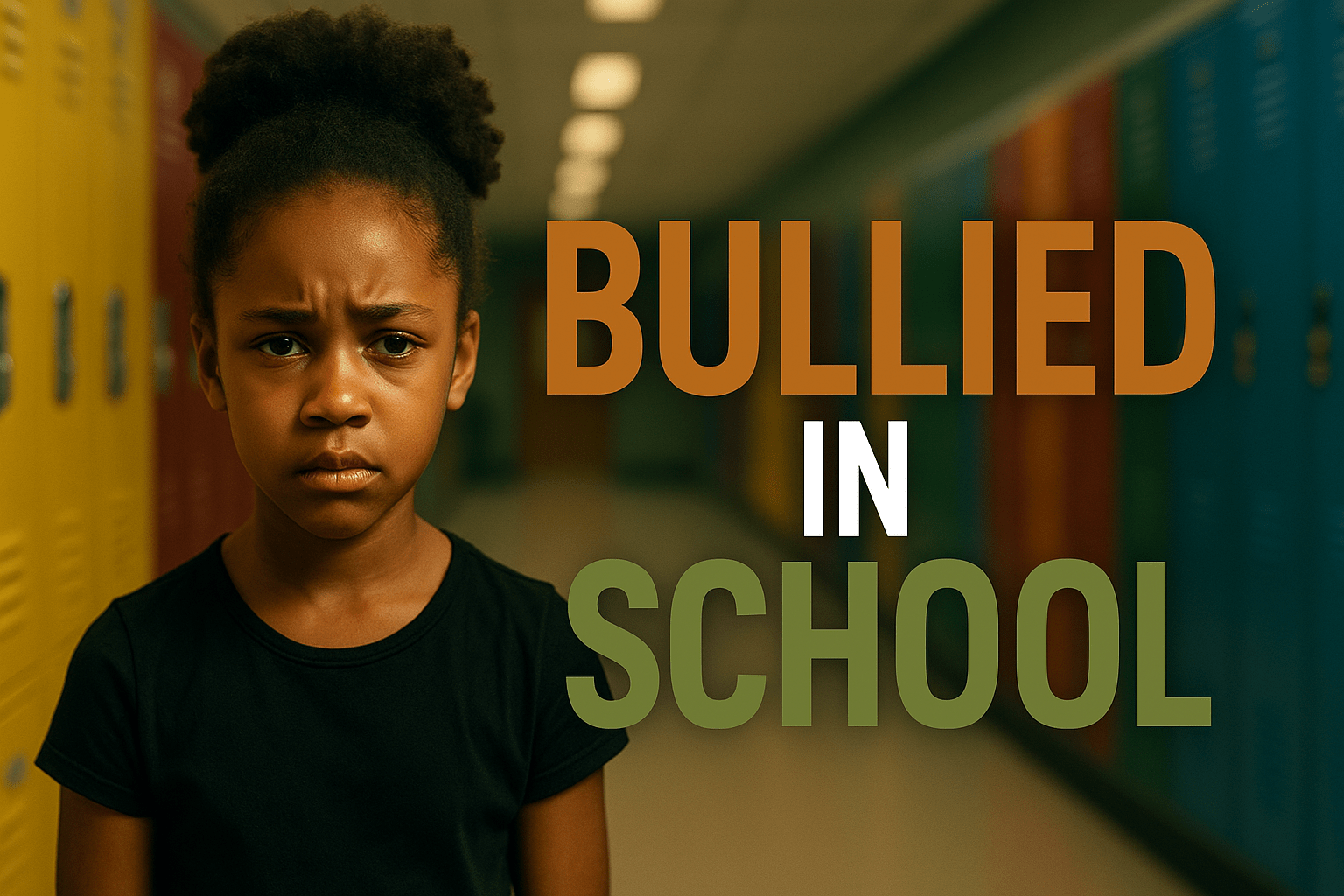
Gianna Floyd, the 11-year-old daughter of George Floyd, is experiencing immense challenges at her Texas middle school. Tragically, she is facing bullying directly linked to her father’s legacy, a burden no child should have to carry (BET).
This bullying is not simple schoolyard teasing. Instead, it involves classmates repeating right-wing talking points and false claims about George Floyd’s death (Black News). These harmful claims originate from sources amplified by conservative figures such as Ben Shapiro (BET).
Understanding the Misinformation Campaign
The specific right-wing talking points aimed at Gianna often include claims that minimize police responsibility for George Floyd’s death. They suggest his death was primarily due to pre-existing health conditions or drug use (Autopsy and State Violence: Implications in the Death Investigation of George Floyd). These arguments aim to shift blame and question the legitimacy of both protests and legal findings.
Furthermore, some commentators emphasize the initial autopsy’s mention of health conditions and drug presence as “contributing factors” (Autopsy and State Violence: Implications in the Death Investigation of George Floyd). They use this information to undermine the official finding that the manner of death was homicide. Claims that Floyd’s death was an unfortunate accident rather than intentional police brutality are common (Exhibit A).
Facts About George Floyd’s Death
The Role of Prominent Commentators
Ben Shapiro, a prominent conservative commentator and founder of The Daily Wire, plays a significant role in amplifying these false narratives. He is known for his ability to deliver rapid-fire arguments on contentious issues (Pew Research Center).
While Shapiro commands millions of listeners and viewers through his podcast and media company, he has sometimes amplified debunked claims. His influence is magnified by social media, where posts and clips spread quickly to audiences unfamiliar with deeper context (Pew Research Center). On topics like George Floyd’s death, Shapiro has questioned police culpability by highlighting factors such as drug use and health issues, despite medical and court rulings of homicide (Autopsy and State Violence: Implications in the Death Investigation of George Floyd).
The Emotional Toll on Gianna and Her Mother
The ongoing bullying takes a severe emotional toll on Gianna. She is still coping with the profound loss of her father and the continuous impact of his very public legacy (The Root). This situation adds layers of trauma to an already difficult childhood.
Gianna’s mother, Roxie Washington, is grappling with how to address the bullying effectively. She faces a difficult dilemma between protecting her daughter and allowing her to handle the situation independently (BET). Washington is publicly recognized as Gianna Floyd’s mother and continues to advocate for justice and support for her daughter (BET).
Understanding Bullying Prevalence
Broader Societal Challenges and Impact
Gianna’s bullying reveals larger societal challenges related to misinformation. It highlights the ongoing struggle for true justice and equality (The Root). The misinformation and bullying are connected to efforts by conservative figures to rewrite the narrative around George Floyd’s death (BET).
This rewriting occurs despite clear legal convictions and overwhelming medical evidence. These narratives find fertile ground on social media platforms, influencing public opinion and, unfortunately, filtering into schoolyard bullying contexts. The situation underscores the urgent need for continued efforts to combat bullying and misinformation within schools and society at large (StopBullying.gov).
The Impact of Narrative Rewriting
Standing Against Misinformation and Bullying
The bullying of Gianna Floyd reminds us that the fight for justice does not end with court verdicts. It continues in our communities, our homes, and our schools. It also highlights the ways in which deeply entrenched misinformation can victimize even the most innocent among us.
It is important for African American and African Diaspora communities to unite against these forms of harm. We must educate our children about the facts of George Floyd’s case and other instances of injustice. Furthermore, we must arm them with the resilience needed to counter harmful narratives. Together, we can ensure that future generations are not subjected to the same pain Gianna now endures. This requires ongoing vigilance against those who seek to distort truth and undermine racial progress.
The Need for Systemic Change in Education
Gianna’s experience highlights a critical area for improvement within school systems. Schools need robust policies and proactive strategies to address bullying that stems from broader societal misinformation. A comprehensive approach involves educating students about media literacy and critical thinking skills. It also requires clear guidelines for handling hateful rhetoric.
Finally, open dialogues about historical events and systemic injustices can create a more inclusive environment. This type of education empowers students to challenge prejudice and stand up for others. It moves beyond individual incidents to address the root causes of intolerance. This effort fosters communities founded on respect and empathy. Furthermore, it ensures that children like Gianna can learn and grow without bearing the weight of a misinformed world.
ABOUT THE AUTHOR
Darius Spearman has been a professor of Black Studies at San Diego City College since 2007. He is the author of several books, including Between The Color Lines: A History of African Americans on the California Frontier Through 1890. You can visit Darius online at africanelements.org.
