

Jongo Festival: A Call for Preservation
By Darius Spearman (africanelements)
Support African Elements at patreon.com/africanelements and hear recent news in a single playlist. Additionally, you can gain early access to ad-free video content.
Jongo's Deep Roots
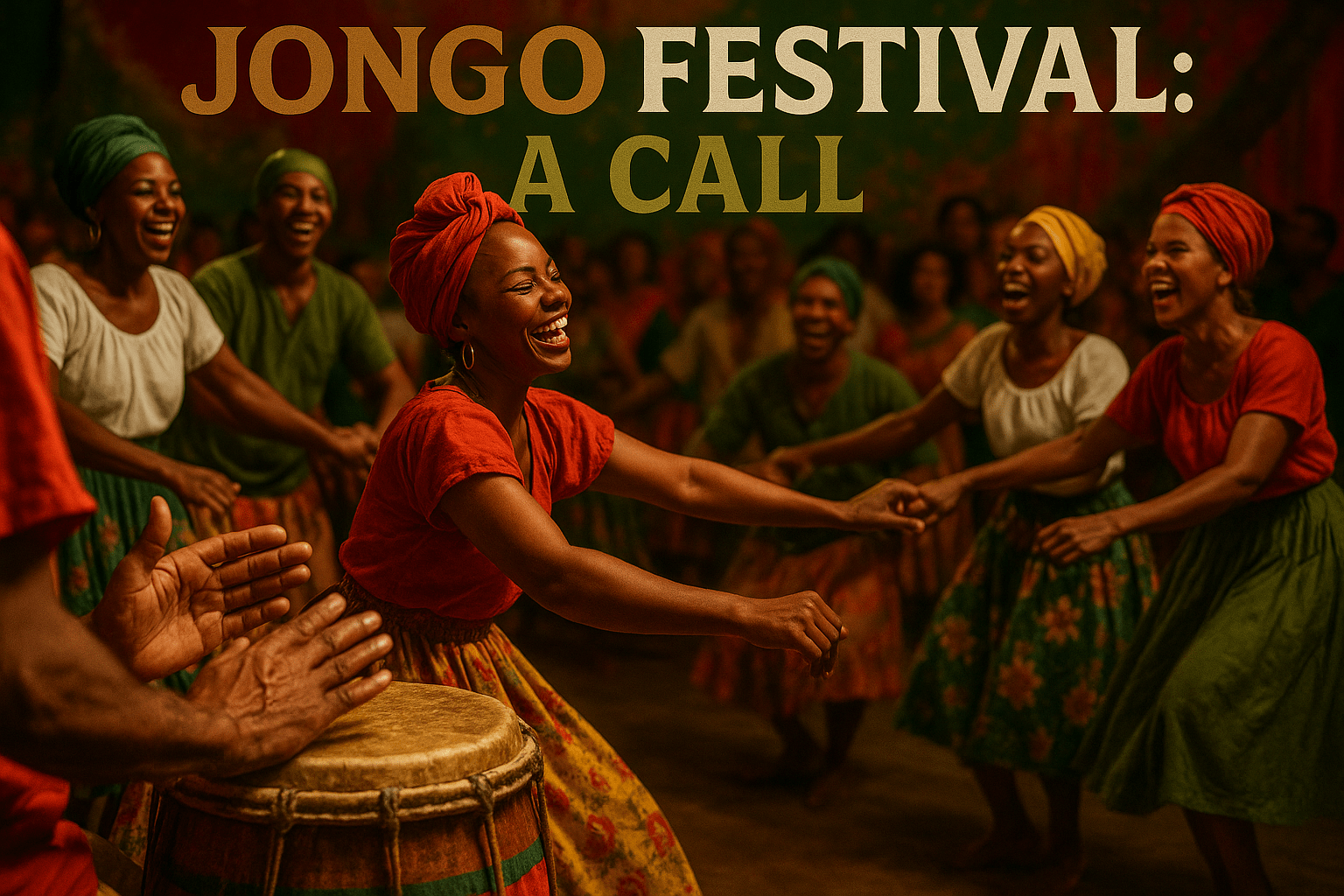
The Jongo festival in Rio de Janeiro recently highlighted the urgent need for cultural preservation. This vibrant event, held in Tiradentes Square, showcased drumming, songs, and dance steps that have been passed down through generations from enslaved ancestors from Congo and Angola. Jongo is not merely a performance; it is a profound cultural expression encompassing dance, music, and spiritual practices, deeply rooted in the history of enslaved Africans in Brazil (bibliotecadigital.fgv.br).
Furthermore, Jongo holds significant cultural heritage status in Brazil, recognized as a predecessor to samba, with its origins firmly planted in African traditions (getours.com). It originated from Congolese and Angolan religious ceremonies, featuring circle dances and a style of music known as *samba de roda* (getours.com). The term *roda* refers to the circular formation in which participants dance, sing, and play instruments (bibliotecadigital.fgv.br). This circular arrangement is fundamental to the performance, creating a communal and interactive space for the expression of culture, spirituality, and social connection (multirio.rj.gov.br).
A Legacy of Resistance
Jongo is a significant reference to Afro-Brazilian identity and has served as a powerful element of cultural and social resistance for many *quilombo* communities (bibliotecadigital.fgv.br). *Quilombos* are communities primarily formed by escaped enslaved Africans and their descendants in Brazil (bibliotecadigital.fgv.br). These communities were havens of resistance and cultural preservation, and their descendants continue to uphold traditions like Jongo, which played a vital role in their cultural identity and struggle for land rights (bibliotecadigital.fgv.br).
Moreover, the Jongo festival aims to raise awareness of the dance and advocate for better resources for the communities that practice Jongo (MDN). The event also showcased 200-year-old Jongo drums, which have been carefully preserved by *quilombo* groups in Rio State, highlighting the profound historical depth of this tradition. The practice of Jongo played a crucial social role in the struggles for the recognition of Black territories, as recognized in the 1988 Federal Constitution (bibliotecadigital.fgv.br).
The Spiritual Connection
The performance aspects of Jongo, including drumming, songs, and dance steps, are integral to its cultural significance and connection to ancestral practices. The Jongo festival featured these elements, passed down from enslaved ancestors from Congo and Angola. In Jongo, the songs are called *pontos*. These *pontos* are not merely lyrical but carry significant symbolic and functional weight, often serving as a form of coded communication, storytelling, and spiritual invocation (bibliotecadigital.fgv.br).
Furthermore, Jongo has a strong connection to Umbanda, a syncretic Afro-Brazilian religion that blends African spiritual traditions, Catholicism, and Spiritism (Encyclopedia.com). Many *jongueiros* (Jongo practitioners) are also devout *umbandistas*, indicating a strong overlap between the practitioners of Jongo and Umbanda (Encyclopedia.com). This connection highlights the spiritual dimension of Jongo, as it likely served as an outlet for enslaved people to practice their religions in secret, disguised as a simple dance party (papoeira.com).
Jongo and Samba's Shared Heritage
Samba is deeply ingrained in the culture of Rio de Janeiro, particularly as the “lifeblood” of the annual Carnival festival (getours.com). Jongo's role as a foundational Afro-Brazilian cultural expression influenced later forms like samba. Jongo itself is a circle dance with musical and spiritual elements, making it a precursor to and related to the broader category of Afro-Brazilian circle dances, which includes *Samba de Roda* (bibliotecadigital.fgv.br).
In the context of samba schools, judges award points for appealing samba songs, and understanding the lyrics helps to grasp the story behind the parades (RIO.com). Participants in samba school parades are required to learn the samba song, and their performance, including knowing the song, can gain or lose points for their school in the competition (riocarnaval.org). This emphasis on song and performance echoes the importance of *pontos* in Jongo, further illustrating the shared cultural lineage.
Connections to Capoeira
The connection between Jongo and Capoeira is also notable. Capoeira is an Afro-Brazilian martial art that combines elements of dance, acrobatics, and music, developed by enslaved Africans in Brazil (multirio.rj.gov.br). The *berimbau gunga*, a large, low-pitched musical bow, is a central instrument in Capoeira *rodas* (capoeira.online). Its mention in relation to Jongo suggests a shared instrumental and cultural heritage between these two Afro-Brazilian expressions (papoeira.com).
In Capoeira, the *roda* involves a specific arrangement of instruments, including the *berimbau gunga*, which serves as the entry point for Capoeiristas, emphasizing the importance of musical structure in traditional performances (capoeira.online). The Casa do Jongo, a cultural center, includes a “terreiro para jongo e capoeira,” indicating a shared space and connection between the two practices (multirio.rj.gov.br). Jongo is even referred to as “Capoeira’s Party Loving Cousin,” implying a close relationship and shared cultural roots (papoeira.com).
Evolution and Revival
Jongo originated during the period of slavery in Brazil, serving as a vital cultural and communicative practice among enslaved Africans on coffee plantations, particularly in the Paraíba Valley (papoeira.com). After abolition, it continued to be preserved and evolved within *quilombo* communities. More recently, it has experienced a significant revival, becoming a recognized symbol of Afro-Brazilian culture in both rural and urban settings (Encyclopedia.com).
Since the 1990s, Jongo has become more widely known as a hallmark of Afro-Brazilian culture, largely due to figures like Mestre Darcy do Jongo (Encyclopedia.com). Jongo continues to be performed by descendants of slaves in at least a dozen communities, in rural settings as well as in the periphery of cities, demonstrating its enduring presence and adaptation in modern times (Encyclopedia.com).
Contemporary Practice and Preservation
Jongo practice today is widespread, particularly among descendants of enslaved people in various communities across Brazil, including both rural areas and the peripheries of cities (Encyclopedia.com). It is actively sustained by *quilombo* communities and cultural groups, with efforts to preserve and transmit the tradition to younger generations through initiatives like workshops and cultural centers (multirio.rj.gov.br).
Significant cultural preservation efforts for Jongo include its official recognition as Brazilian Cultural Heritage in 2005 (bibliotecadigital.fgv.br). This recognition opened avenues for debate, valorization, and historical reparation (bibliotecadigital.fgv.br). Organizations like the Grupo Cultural Jongo da Serrinha, in collaboration with municipal authorities, operate cultural centers such as the Casa do Jongo, offering educational programs and free workshops to approximately 80 children and young people from the local community (multirio.rj.gov.br). These initiatives aim to transmit the tradition to new generations and ensure its continuity.
Key Afro-Brazilian Cultural Terms
An Afro-Brazilian cultural expression encompassing dance, music, and spiritual practices, deeply rooted in the history of enslaved Africans in Brazil. It is recognized as Brazilian Cultural Heritage since 2005.
Refers to the circular formation in which participants dance, sing, and play instruments in Jongo and other Afro-Brazilian cultural forms. It creates a communal and interactive space.
Communities primarily formed by escaped enslaved Africans and their descendants in Brazil. These communities served as havens of resistance and cultural preservation.
A syncretic Afro-Brazilian religion that blends African spiritual traditions, Catholicism, and Spiritism, often connected to Jongo's spiritual dimension.
The songs that accompany Jongo dance and drumming. They carry significant symbolic and functional weight, often serving as coded communication or spiritual invocation.
Cultural Tourism and Awareness
Rio de Janeiro offers various cultural tours, such as those to Corcovado, Sugarloaf Mountain, and Selarón Steps, and Rocinha Favela walking tours, indicating a general interest in the city's cultural landscape (myguideriodejaneiro.com). While specific statistical data regarding the number of Jongo practitioners, festival attendance figures, or funding for Jongo preservation efforts were not found in the search results, the cultural importance of Jongo and samba is strongly emphasized.
The “Dia Estadual do Jongo” (State Day of Jongo) in Pinheiral involved celebrations over several days, including an exhibition and a traditional festival, suggesting a notable level of community engagement and organization (pontaojongo.uff.br). The recognition of Jongo as cultural heritage in 2005 also implies a degree of governmental support or at least official acknowledgment, which could lead to funding opportunities (bibliotecadigital.fgv.br).
Jongo: A Historical Timeline
Slavery Period (Origins)
Jongo originates among enslaved Africans on coffee plantations, particularly in the Paraíba Valley, serving as a vital cultural and communicative practice.
Post-Abolition Era
Jongo continues to be preserved and evolved within quilombo communities, maintaining its role as a cultural and social resistance element.
1990s – Revival
Jongo experiences a significant revival and gains wider recognition as a hallmark of Afro-Brazilian culture, partly due to figures like Mestre Darcy do Jongo.
2005 – Cultural Heritage Recognition
Jongo is officially recognized as Brazilian Cultural Heritage, registered in the Book of Expression Forms, opening new avenues for preservation and valorization.
Contemporary Practice
Jongo continues to be performed by descendants of slaves in various communities, both rural and urban, sustained by quilombo groups and cultural centers like Casa do Jongo.
The Importance of Cultural Events
Cultural events and tours in Rio de Janeiro often highlight the city's diverse heritage. While specific statistical data on Jongo festival attendance or funding is not readily available, the very existence and promotion of such events underscore the community's dedication to preserving this vital cultural form. These festivals serve as crucial platforms for raising awareness and garnering support for Jongo's continued practice.
The ongoing efforts to sustain Jongo through workshops, cultural centers, and official recognition demonstrate a strong commitment to its future. These initiatives ensure that the rich traditions of Jongo, passed down through generations, continue to thrive and inspire new practitioners, reinforcing its place as a cornerstone of Afro-Brazilian identity and heritage.
Jongo Preservation Efforts
Official Recognition
Jongo was recognized as Brazilian Cultural Heritage in 2005, providing formal acknowledgment and opening doors for support.
Cultural Centers
Organizations like Grupo Cultural Jongo da Serrinha operate centers such as Casa do Jongo, offering dedicated spaces for practice.
Educational Programs
Free workshops are provided to children and young people, ensuring the transmission of Jongo traditions to new generations.
Community Engagement
Festivals and events like “Dia Estadual do Jongo” foster community involvement and raise awareness about Jongo's importance.
ABOUT THE AUTHOR
Darius Spearman has been a professor of Black Studies at San Diego City College since 2007. He is the author of several books, including Between The Color Lines: A History of African Americans on the California Frontier Through 1890. You can visit Darius online at africanelements.org.
