
Listen to this article
Download AudioNYPD Accountability: Protester Case Illuminates Systemic Issues
By Darius Spearman (africanelements)
Support African Elements at patreon.com/africanelements and hear recent news in a single playlist. Additionally, you can gain early access to ad-free video content.
The scales of justice often wobble especially when power dynamics are at play. For communities of color particularly African Americans confrontations with law enforcement can follow a familiar troubling script. A recent incident involving a Black protester and the NYPD showcased this dynamic clearly. The case initially painted as a grave threat quickly fell apart under the glare of video evidence.
This outcome highlights a critical need for transparent police practices. It raises big questions about how accusations are made and who bears the burden. The story resonates deeply within the Black community Many have endured similar experiences where official narratives clash sharply with reality.
Protester Case Collapses Amid Scrutiny
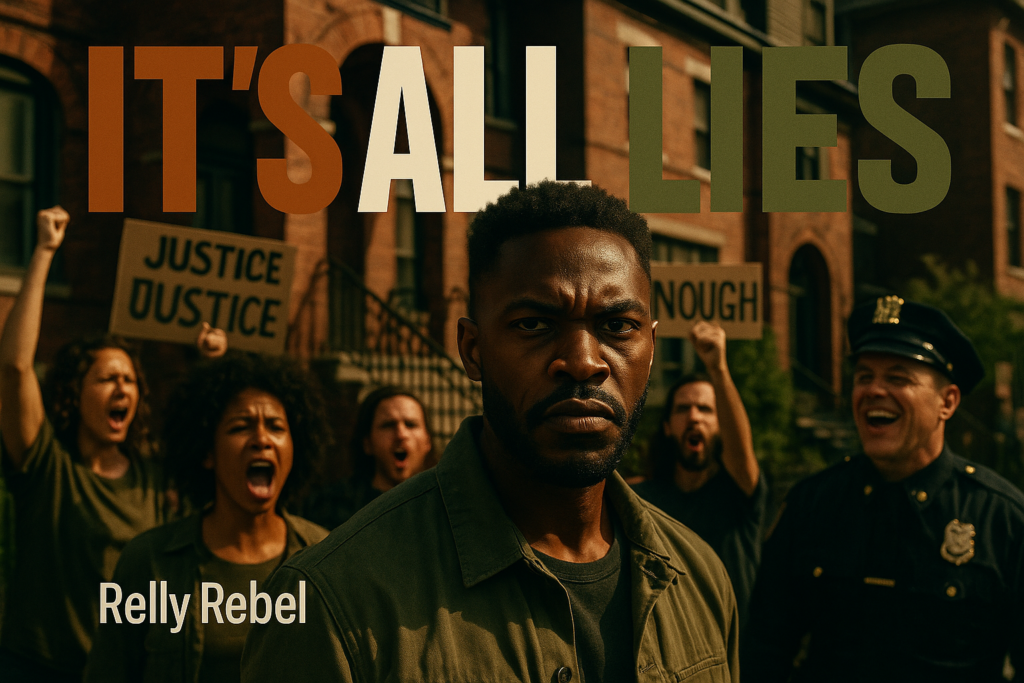
A Black protester faced serious accusations from the NYPD. Police claimed the protester tried to break into an officer’s home suggesting the family felt great fear (atlantablackstar.com). The media then vilified the protester who endured the burden of a $10,000 bail.
Newly released video evidence shattered the claims. The footage showed the officer laughing and relaxed undermining the core allegation of fear (atlantablackstar.com). The case collapsed swiftly exposing discrepancies between police statements and recorded reality.
The Burden of Bail: A Protester’s Financial Setback
Echoes of Misconduct: Past Transgressions
The protester incident echoes past controversies. In 2018 NYPD officer Michael Reynolds broke into a Black woman’s home drunk and made racist threats (nbcnewyork.com).
Reynolds resigned amid proceedings pleading guilty then forfeited his pension health benefits and firearm privileges (nbcnewyork.com). Fellow officers even tried to influence the complaint process highlighting deep mistrust.
Varieties of Police Misconduct: Actions Undermining Trust
Community Resistance and the Call for Police Accountability
Protests against NYPD misconduct run deep in New York City covering issues from excessive force to false allegations. Families of victims have confronted leadership directly (youtube.com).
Community activists and social justice groups continue to highlight systemic issues within the department. While the NYPD promotes outreach tools transparency incidents like the collapsed case reveal ongoing tensions and the need for substantial reform.
Defining ‘Home Intimidation’ and Data Transparency
The term “home intimidation” describes acts intended to cause fear anxiety or pressure at someone’s residence. It covers harassment menacing or threats aimed at a person in their home (easyllama.com) rather than unlawful entry (nysenate.gov).
Unlike burglary which involves unlawful entry with intent or trespassing which is unauthorized presence, home intimidation focuses on psychological harm (ypdcrime.com). The NYPD shares crime data publicly via CompStat 2.0 (nyc.gov) but misconduct or false allegation data is less accessible. For instance unrelated burglaries in Whitestone’s 109th Precinct occurred in January 2025 (QNS.com), separate from protester intimidation allegations.
NYPD Data: What is Publicly Shared?
The collapse of the case against the Black protester serves as a stark reminder of the need for rigorous public oversight. Alongside past misconduct cases these events highlight a recurring pattern of false allegations and power abuses. Community activism and demands for accountability remain essential.
Communities deserve unbiased policing and transparent systems. True justice requires holding officers accountable and dismantling systemic issues. Continued vigilance from social justice groups will keep scrutiny of police behavior strong.
ABOUT THE AUTHOR
Darius Spearman has been a professor of Black Studies at San Diego City College since 2007. He authored Between The Color Lines: A History of African Americans on the California Frontier Through 1890. Visit him at africanelements.org.
