
Listen & Share
Texas HOA Discrimination: A Housing Justice Fight
By Darius Spearman (africanelements)
Support African Elements at patreon.com/africanelements and hear recent news in a single playlist. Additionally, you can gain early access to ad-free video content.
A Battle for Fair Housing
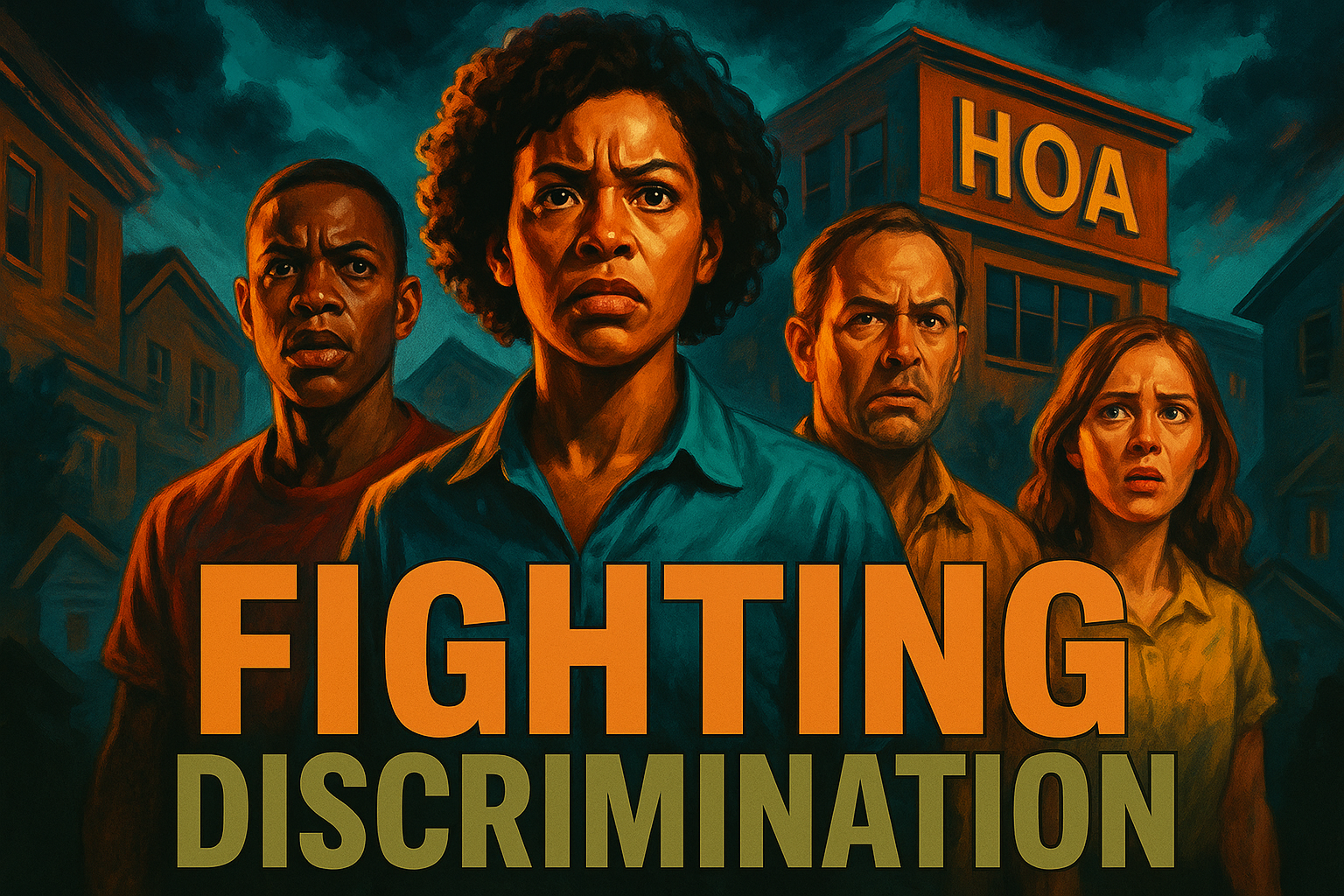
The pursuit of fair housing remains a crucial fight across the United States. In Texas, the U.S. Department of Housing and Urban Development (HUD) recently brought charges against the Providence Homeowners Association (PHOA) in a significant discrimination case. This action highlights ongoing challenges faced by Black families seeking safe and affordable homes (Relman Law).
The case involves allegations that the PHOA violated the Fair Housing Act by specifically targeting Section 8 voucher holders. This discriminatory practice had a profound impact. Nearly all, 93 percent, of the 157 voucher-holding households affected were Black families (Relman Law). Such actions create barriers to housing and perpetuate systemic inequalities that disproportionately impact our communities.
Understanding Housing Choice Vouchers
The Housing Choice Voucher program, widely known as Section 8, helps low-income families, seniors, and individuals with disabilities secure affordable private housing. This federal program provides rental assistance by directly subsidizing a portion of a tenant’s monthly rent to landlords. Section 8 vouchers relieve financial burdens, enabling eligible households to afford decent, safe, and sanitary housing.
Furthermore, participants often have the freedom to choose any housing that meets program requirements. This flexibility promotes social integration and access to better neighborhoods, providing pathways to opportunity that many of our families seek. Local public housing agencies, such as the Denton Housing Authority (DHA), administer this program. They determine eligibility and oversee the payment process, ensuring vital support reaches those who need it most.
Impact on Section 8 Households
The Role of Homeowners Associations
A Homeowners Association (HOA) establishes and upholds rules for properties within subdivisions, planned communities, or condominium buildings (Investopedia). HOAs manage common spaces and administer property upkeep. They also ensure compliance with community standards, collecting fees to pay for services and maintenance (Cedur). These organizations are typically nonprofit corporations, run by a board of directors. Their declared purpose is often to manage shared property, protect property values, and foster community spirit (Associated Asset Management).
However, despite these stated goals, some HOAs impose rules that restrict access to housing. For instance, the Providence HOA policy led to harm not only for voucher holders but also for landlords. These landlords faced fines for renting to voucher holders (Relman Law). Up to 63 landlords were reportedly threatened with weekly fines of $300 (Relman Law). Punishing property owners for renting to Section 8 participants, while not illegal under federal law, may violate fair housing protections when it creates a disparate impact based on race.
Upholding the Fair Housing Act
The Fair Housing Act is a landmark federal law. It prohibits discrimination in housing against individuals based on race, color, national origin, religion, sex, familial status, or disability. This critical legislation makes it unlawful to refuse to rent, sell, or finance a dwelling to any person because of a protected characteristic. The Fair Housing Act applies to most housing, although some limited exceptions exist.
The U.S. Department of Housing and Urban Development (HUD) enforces this law. HUD investigates complaints, facilitates conciliation, and can refer cases for legal action. Violations of the Fair Housing Act can lead to serious penalties, including fines and mandatory policy changes. The case against the Providence HOA underscores the vital role of this act in ensuring everyone has equitable access to housing, free from bias.
Community Tensions and Troubling Retractions
This case has unearthed significant community tension and disturbing racial animosity. Some residents have expressed racist views against voucher holders. Reports detail racist comments and protests by white nationalist groups in the community, indicating deep-seated racial tensions (ProPublica). This atmosphere of prejudice makes the fight for fair housing even more arduous for our families.
In a troubling turn, HUD initially referred the case to the Department of Justice for potential prosecution. However, HUD later retracted this referral (Texas Tribune). This retraction is part of a broader concern about HUD’s commitment to enforcing civil rights. Critics suggest it reflects a diminished dedication to civil rights enforcement (ProPublica). For civil rights advocates, this action raises serious questions about the administration’s resolve in addressing housing discrimination and protecting vulnerable populations.
HUD Referral Action Status
Navigating Justifications and Consequences
The HOA has attempted to defend its actions. They claim their policies are measures to maintain property values and address crime (ProPublica). While HOAs frequently cite these reasons for their rules, such justifications are subject to intense legal scrutiny. Rules must never violate federal or state anti-discrimination laws, including the Fair Housing Act. This case highlights how such claims can be disputed when they disproportionately impact protected groups.
If found guilty of discrimination, the Providence HOA faces serious consequences under the Fair Housing Act. These may include significant financial penalties. The HOA could also be compelled to implement mandatory policy changes and provide required training for its board members. Furthermore, they might face civil litigation from affected parties. Past discrimination cases against HOAs in Texas have led to policy reforms, financial settlements, and ongoing monitoring by fair housing agencies. These outcomes provide a clear precedent for what could happen in this current situation.
Seeking Relocation and Justice
The Denton Housing Authority (DHA) has been actively involved in this complex situation. A local housing authority provides assistance to residents, especially when discrimination leads to displacement. The DHA’s role includes helping families find and maintain safe, affordable housing. In this case, the DHA provided relocation assistance to affected residents (Relman Law). This crucial support helps families rebuild lives disrupted by discriminatory practices. However, specific details about the scope of this assistance, such as the exact amount provided or the number of families helped, are not publicly available.
Nevertheless, housing authorities typically offer assistance for moving expenses, security deposits, or help finding new housing. They work individually with affected families to address their specific needs. This process generally involves applications, verification of displacement, and coordination with local social services. The need for such assistance in Providence Village underscores the challenges Black families face when HOAs erect barriers to housing, forcing them to uproot their lives.
Protected Characteristics Under the Fair Housing Act
The Fair Housing Act prohibits discrimination based on these characteristics in housing, ensuring equal opportunities for all. Familial status protects families with children, including those with Section 8 vouchers.
The Broader Implications for Our Communities
The Providence HOA case reverberates far beyond Texas. It speaks to ongoing struggles for housing justice across the nation. The fact that 93 percent of affected Section 8 households are Black families raises profound questions about intentional exclusion. While the overall demographic makeup of Providence Village is not specified, such a racial disparity in Section 8 households often suggests a pattern of exclusion when the broader community appears less diverse. Without comprehensive local demographic data, definitive conclusions about exclusion remain an area where more information is needed.
Nevertheless, the case draws significant legal and public attention. This national spotlight on housing discrimination cases is crucial for raising awareness. It also underscores the importance of continued vigilance and advocacy. The fight for equitable access to housing for our families, especially those relying on assistance, remains central to achieving true racial and economic justice in America.
ABOUT THE AUTHOR
Darius Spearman has been a professor of Black Studies at San Diego City College since 2007. He is the author of several books, including Between The Color Lines: A History of African Americans on the California Frontier Through 1890. You can visit Darius online at africanelements.org.
