
Listen to this article
Download AudioGoogle Settlement: Racial Bias in Tech Spotlight
By Darius Spearman (africanelements)
Support African Elements at patreon.com/africanelements and hear recent news in a single playlist. Additionally, you can gain early access to ad-free video content.
Google’s $50M Bias Payout: Black Voices Heard?
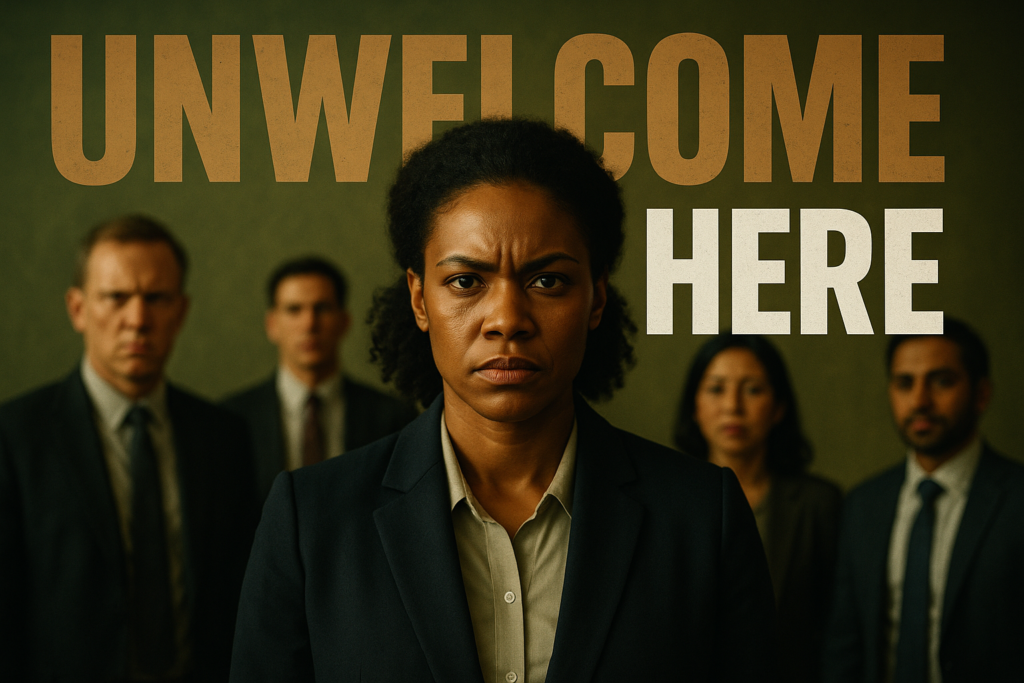
It’s a headline that catches your eye: Google, a giant in the tech world, has agreed to a $50 million settlement. This isn’t just about money; it’s about a serious accusation. The lawsuit alleges racial discrimination against Black employees. This news hits close to home for many of us in the Black community. It brings up familiar questions about fairness and opportunity in big corporations. Indeed, this settlement involves over 4,000 current and former Black employees in California and New York who stood up to say something was wrong (AfroTech).
The issue’s core claim is that Google fostered a biased corporate culture. Black employees reportedly faced various forms of discrimination in this place. While the settlement awaits a judge’s approval, it marks a significant moment. It makes us wonder if this is a step toward real change or just a cost of doing business for a massive company. After all, the fight for respect and equality in the workplace is one our community knows all too well.
The Heavy Cost of Alleged Bias at Google
Google has agreed to pay $50 million to resolve these troubling allegations of racial discrimination. This significant sum is intended for a class-action lawsuit. The lawsuit represents over 4,000 current and former Black employees in California and New York (SFist). These individuals shared experiences of a workplace culture they found to be biased against them. The settlement is still waiting for a judge to give it the final green light.
Despite this multi-million dollar agreement, Google has stated its position clearly. The company maintains that it has followed all applicable laws. Furthermore, Google denies any wrongdoing in this matter (Black Enterprise). This stance is common in such settlements. Companies often choose to settle to avoid long, costly legal battles, even if they don’t admit fault. For the employees involved, however, the settlement may represent a form of acknowledgment and a step toward rectifying perceived injustices.
Voices from Within: Allegations of Discrimination
The lawsuit painted a stark picture of the experiences of Black employees at Google. Allegations included Black workers being unfairly labeled. They were reportedly called “incompetent,” “aggressive,” and “not smart enough” (Atlanta Black Star). Such labels are not just hurtful; they can severely damage careers and create a hostile work environment. Additionally, there were claims of Black employees being subjected to regular badge checks, a practice that can feel demeaning and targeted if applied unfairly.
Official investigations echoed these employee claims. For instance, the California Civil Rights Department launched its investigation into Google’s treatment of Black female employees in 2022. This investigation found that Black employees were often directed into lower-level roles. They were also allegedly paid less and denied opportunities for advancement compared to their peers (AfroTech). This context adds another layer to the employees’ lawsuit, suggesting a pattern of systemic issues that disproportionately affected Black and, particularly, Black female workers within the company.
The Numbers Don’t Lie: Black Representation at Google
Statistics from 2021 reveal a significant disparity in Google’s workforce. Black employees made up just 4.4% of the company’s overall workforce during that year, which is quite low when we consider the diversity of our country. Even more concerning, however, was the representation in leadership roles. Only 3% of Google’s leadership positions were held by Black individuals (AfroTech; Black Enterprise).
These numbers are more than just statistics; they tell a story. For many in the Black community, such low representation in a major tech company like Google is a red flag. It suggests that there might be systemic barriers preventing Black talent from being hired, retained, and promoted. When leadership lacks diversity, it can perpetuate a cycle where the concerns and perspectives of underrepresented groups are not adequately addressed. Therefore, these figures underscore the urgency and importance of the issues raised in the lawsuit.
Google’s Racial Bias Settlement Snapshot
Steps Forward? Settlement Terms and Promises
Beyond the $50 million payout, the settlement includes specific terms to address some of the root issues. One key provision involves tackling race-based pay disparities. Google has committed to identifying such disparities before finalizing pay changes for employees. This crucial oversight will continue for a three-year period (HR Dive). If implemented effectively and transparently, this is a concrete step that could lead to fairer compensation for Black employees.
Another significant settlement term is the limitation on mandatory arbitration agreements for employment disputes. Google will not require employees to sign these agreements, which often force disputes out of court and into private arbitration, until August 2026 (HR Dive). This change could empower employees by giving them more options to seek legal recourse if they face discrimination or other workplace issues. Therefore, these terms suggest an attempt to create more equitable systems within the company, at least for a defined period.
Black Representation at Google (2021)
Understanding Our Power: What is a Class-Action Lawsuit?
Many of us hear about class-action lawsuits, but what exactly are they? Think of it like this: a class-action lawsuit happens when one person or a small group of people sue on behalf of a much larger group. Everyone in this larger group must have similar complaints against the same person or company. It’s a way for many voices to be heard together, powerfully. This collective approach is often more effective. It’s also more cost-efficient than if each person tried to file their own lawsuit separately (Investopedia).
These types of lawsuits are essential. They are often used to tackle widespread problems. These problems can include things like consumer fraud, environmental damage, or, as in Google’s case, employment discrimination (The Ryan Law Group). A court has to agree for a class action to get off the ground. The court must be sure that the group of people affected is so large that individual lawsuits would be impractical (Cornell Law School LII). Ultimately, class actions provide a pathway to justice for many who might otherwise feel powerless against large organizations.
Decoding Class-Action Lawsuits

A class-action lawsuit is a legal tool where one or a few people sue for a larger group with similar claims. This method makes it easier and cheaper for many individuals to seek justice together.
These lawsuits are vital for addressing issues like employment discrimination, allowing numerous affected people to challenge unfair practices collectively.
Breaking Chains: The Issue with Mandatory Arbitration
So, what are these “mandatory arbitration agreements” we hear about? Essentially, they are contracts where employees agree, often as a condition of employment, to resolve any future disputes with their employer through a private process called arbitration. This means they give up their right to go to court and have a judge or jury hear their case. These agreements can be significant. Why? Because they often limit an employee’s ability to pursue legal claims publicly, sometimes silencing them from speaking out about serious workplace issues.
As part of the settlement, Google’s decision to pause requiring mandatory arbitration for employment-related disputes until August 2026 is noteworthy (HR Dive). When companies end mandatory arbitration, even temporarily, it can open up more legal avenues for employees. Workers might have a better chance of hearing their claims in a public court, which can bring more transparency and accountability. For Black employees who have faced discrimination, this change could be a small but important step toward ensuring their voices are not stifled by private, binding agreements. Therefore, this particular term in the settlement offers a glimmer of hope for greater fairness.
Words That Wound: The Impact of Biased Labels
The alleged labeling of Black employees as “incompetent,” “aggressive,” and “not smart enough”is not just random insults; they are words that carry a heavy weight, especially for Black people in professional settings. Terms like “aggressive,” for example, are often disproportionately used against Black individuals, particularly Black women. This reflects deep-seated societal biases and harmful stereotypes. Such language is problematic because it can unfairly shape perceptions of an employee’s character and abilities.
When these labels are used in the workplace, the consequences can be devastating. They can undermine a person’s confidence and create a hostile environment. More tangibly, these biased descriptions can block career advancement opportunities. They can influence performance reviews, project assignments, and promotion decisions, perpetuating a cycle of discrimination. For our community, fighting against these stereotypes is an ongoing battle. Thus, recognizing the harm these words cause is a critical step towards building truly inclusive and equitable workplaces where everyone is judged on their merit, not on prejudiced notions.
California and New York: Arenas for Justice?
Notably, the Google lawsuit specifically involves employees in California and New York (AfroTech). These two states often appear in employment-related legal battles, and there’s a good reason for this. Both California and New York are known for having relatively strong anti-discrimination laws. Their legal environments are often seen as more supportive of employee rights compared to some other states. This can make them key battlegrounds for workers seeking justice against powerful corporations.
Furthermore, California is home to the California Civil Rights Department (CCRD). This state agency plays a crucial role in enforcing civil rights laws, including those related to employment discrimination. As mentioned, the CCRD had already investigated Google’s treatment of Black female employees (AfroTech). The presence and actions of such agencies can provide additional protection and recourse for employees facing unfair treatment. Consequently, the focus on these states in the Google case highlights the importance of strong local and state-level legal frameworks in the fight for workplace equity.
ABOUT THE AUTHOR
Darius Spearman is a professor of Black Studies at San Diego City College, where he has been teaching since 2007. He is the author of several books, including Between The Color Lines: A History of African Americans on the California Frontier Through 1890. You can visit Darius online at africanelements.org.
