

Listen & Share
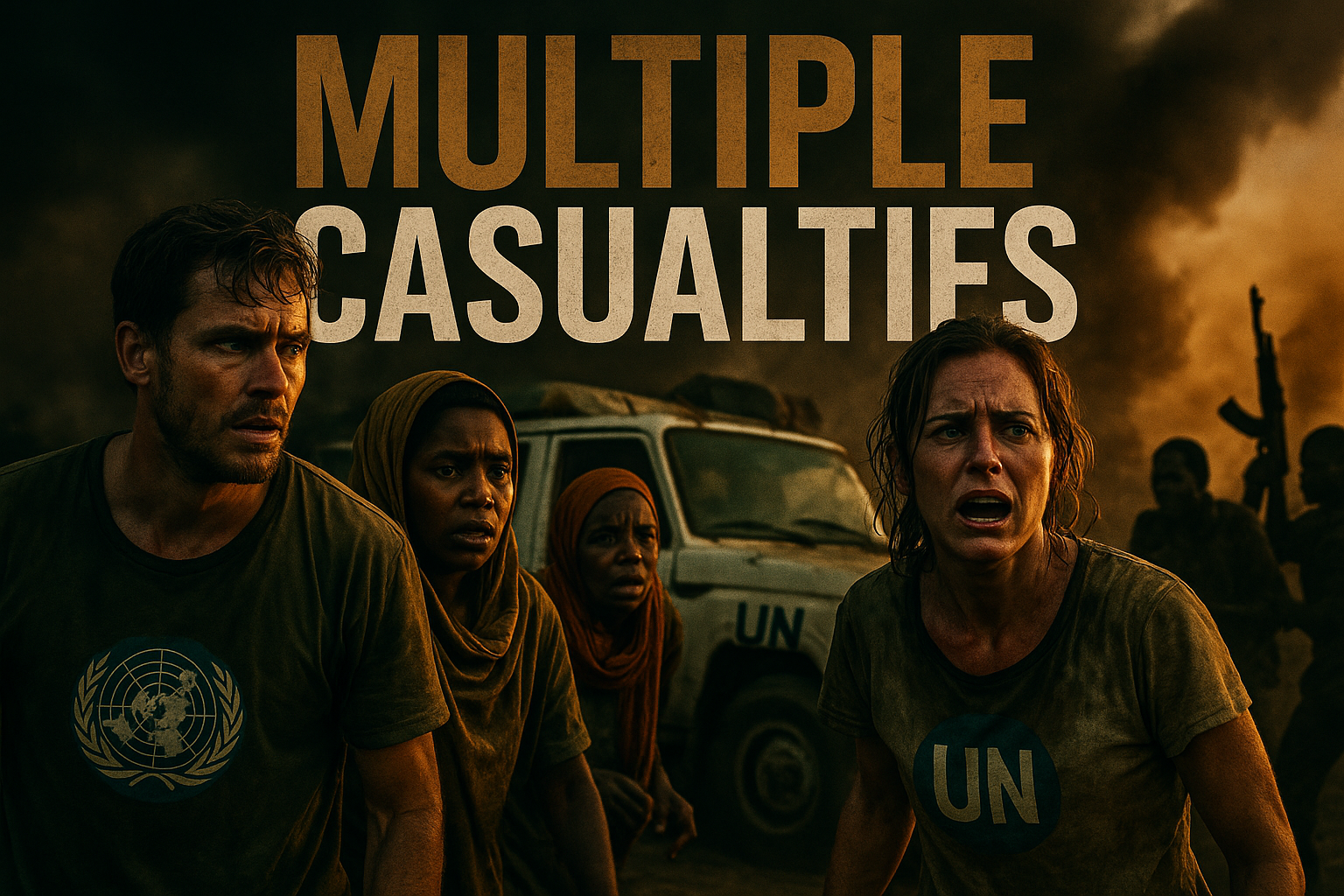
Darfur Aid Crisis: UN Convoy Attack
By Darius Spearman (africanelements)
Support African Elements at patreon.com/africanelements and hear recent news in a single playlist. Additionally, you can gain early access to ad-free video content.
The Critical Attack on a UN Aid Convoy
The lives of many Black African families in Sudan’s Darfur region hang in a terrifying balance. A recent attack on a United Nations aid convoy, intended to bring desperately needed relief, has further deepened the humanitarian crisis. This incident highlights the brutal realities faced by communities caught in an escalating conflict.
The attack occurred as the convoy was positioned in central Al Koma, a town in North Darfur, awaiting approval to proceed toward Al-Fashir. The humanitarian mission included trucks from the World Food Programme (WFP) and UNICEF, both critical organizations striving to prevent widespread starvation (Arab News). This assault is not an isolated incident; it signifies a dangerous pattern of ongoing violence in Darfur that has severely complicated the delivery of essential aid to a suffering population (Kosovapress). The conflict primarily involves the Sudanese army and the Rapid Support Forces.
Escalating Violence in Darfur
The atmosphere in Darfur is fraught with peril. Recent events include a devastating air strike on a crowded market in Al-Koma, resulting in significant civilian fatalities. At least 89 people were killed in this aerial assault, carried out by Sudanese army warplanes (Sudan Tribune). The targeting of this civilian market underscores the indiscriminate nature of the conflict and the profound danger it poses to everyday life.
This market strike was part of a broader campaign of aerial attacks by the Sudanese army against areas controlled by the Rapid Support Forces (Sudan Tribune). Al-Koma itself has become a frequent target, with reports indicating over 200 aerial sorties conducted over the area (Sudan Tribune). Each sortie represents a potential threat to civilian lives and infrastructure. In addition, the Rapid Support Forces have shown their military capability by successfully downing Sudanese army aircraft (The Washington Institute). This demonstrates the intense and destructive nature of the ongoing power struggle.
Civilian Casualties and Aerial Sorties in Al-Koma
The Deepening Hunger Crisis
The conflict’s relentless grip has plunged Darfur into a severe hunger crisis, impacting more than half of the region’s population. People, especially children, are facing the grim reality of food insecurity and starvation. Conditions akin to famine have been reported in Al-Fashir, the capital of North Darfur, where families struggle daily to find sustenance (Arab News).
The delivery of vital aid, which could alleviate this suffering, is continuously hampered by attacks and deliberate barriers imposed by both combatant sides (Arab News). These obstacles make it nearly impossible for humanitarian organizations to reach those in dire need, exacerbating an already desperate situation. The blockades and violence create a devastating cycle of hunger, displacement, and loss, disproportionately affecting the vulnerable Black African communities.
Population Impacted by Hunger in Darfur
Humanitarian Toll: Attacks on Infrastructure
The deliberate targeting of humanitarian conveyances and fundamental infrastructure has amplified the human cost of the conflict. The United Nations has unequivocally condemned these attacks on civilians and vital aid facilities, urging for enhanced protection measures for those delivering assistance and for the innocent people they serve (English Ahram). These actions are direct violations of international humanitarian law, undermining efforts to save lives.
Further exacerbating the crisis, the Rapid Support Forces have been implicated in attacks on hospitals and other essential humanitarian targets (Arab News). Such actions dismantle the very systems intended to provide care and support during conflict, leaving countless individuals without medical attention or safe havens. The disruption of these services creates a vacuum of despair, particularly for already traumatized communities who rely on these facilities for survival.
Understanding the Key Players: RSF and Sudanese Army
The current turmoil in Darfur is primarily driven by the intense rivalry between two powerful entities: the Rapid Support Forces (RSF) and the Sudanese Army. The RSF is a paramilitary group originally established by the Sudanese government in 2013 to combat armed rebel groups, especially within the Darfur region (TRT World). Importantly, the RSF initially comprised members of the notorious Janjaweed militias, which have faced widespread accusations of grievous human rights abuses (TRT World). General Mohammed Hamdan Dagalo, known as Hemeti, commands this formidable force (TRT World); he is also accused by human rights groups of committing war crimes (TRT World). The RSF has demonstrated significant military prowess, even shooting down Sudanese army aircraft (The Washington Institute).
Conversely, the Sudanese Army serves as the nation’s primary military force, tasked with maintaining national security (Council on Foreign Relations). While possessing aerial superiority, the army has encountered considerable challenges from the RSF, a clear sign of the paramilitary group’s growing strength (The Washington Institute). The army has a long history of involvement in internal conflicts, including operations to quell protests and combat rebel activities throughout Sudan (Council on Foreign Relations). The ongoing power struggle between these two forces has shifted the dynamics of the Darfur conflict, which now sees fierce battles for control rather than traditional government-rebel clashes (ACLED Data).
Understanding Key Entities in Darfur
Rapid Support Forces (RSF)
A paramilitary group formed in 2013 from Janjaweed militias, significant in Sudan’s military. Accused of human rights abuses and war crimes, they are led by General Mohammed Hamdan Dagalo.
Source: (TRT World)
Sudanese Army
Sudan’s main military force responsible for national security, engaged in internal conflicts and operations against groups like the RSF, despite facing challenges from the paramilitary force.
Source: (Council on Foreign Relations)
The Broader Context of the Darfur Conflict
The Darfur conflict, a long-standing crisis in Sudan’s western region, originated from deeply entrenched ethnic and resource disputes. It flared up in the early 2000s, pitting rebel groups against the Sudanese government (TRT World). The conflict has been characterized by severe human rights abuses and has led to massive displacement of civilian populations (ACLED Data), forcing countless Black African families from their homes and livelihoods.
The current dynamics of the conflict have evolved significantly. The Rapid Support Forces have launched new offenses into areas that were once considered peaceful, further expanding the reach of the violence (ACLED Data). This shift, coupled with the strategic capabilities of the RSF that have allowed them to gain considerable ground, challenges the Sudanese Army’s long-held control (The Washington Institute). The impact extends beyond military clashes, tearing at the very fabric of society, destroying infrastructure, and creating a profound humanitarian catastrophe for the inhabitants of Darfur. The suffering borne by these communities calls for urgent and coordinated international action to protect civilians and ensure unimpeded access for humanitarian aid.
ABOUT THE AUTHOR
Darius Spearman has been a professor of Black Studies at San Diego City College since 2007. He is the author of several books, including Between The Color Lines: A History of African Americans on the California Frontier Through 1890. You can visit Darius online at africanelements.org.
