
Listen & Share
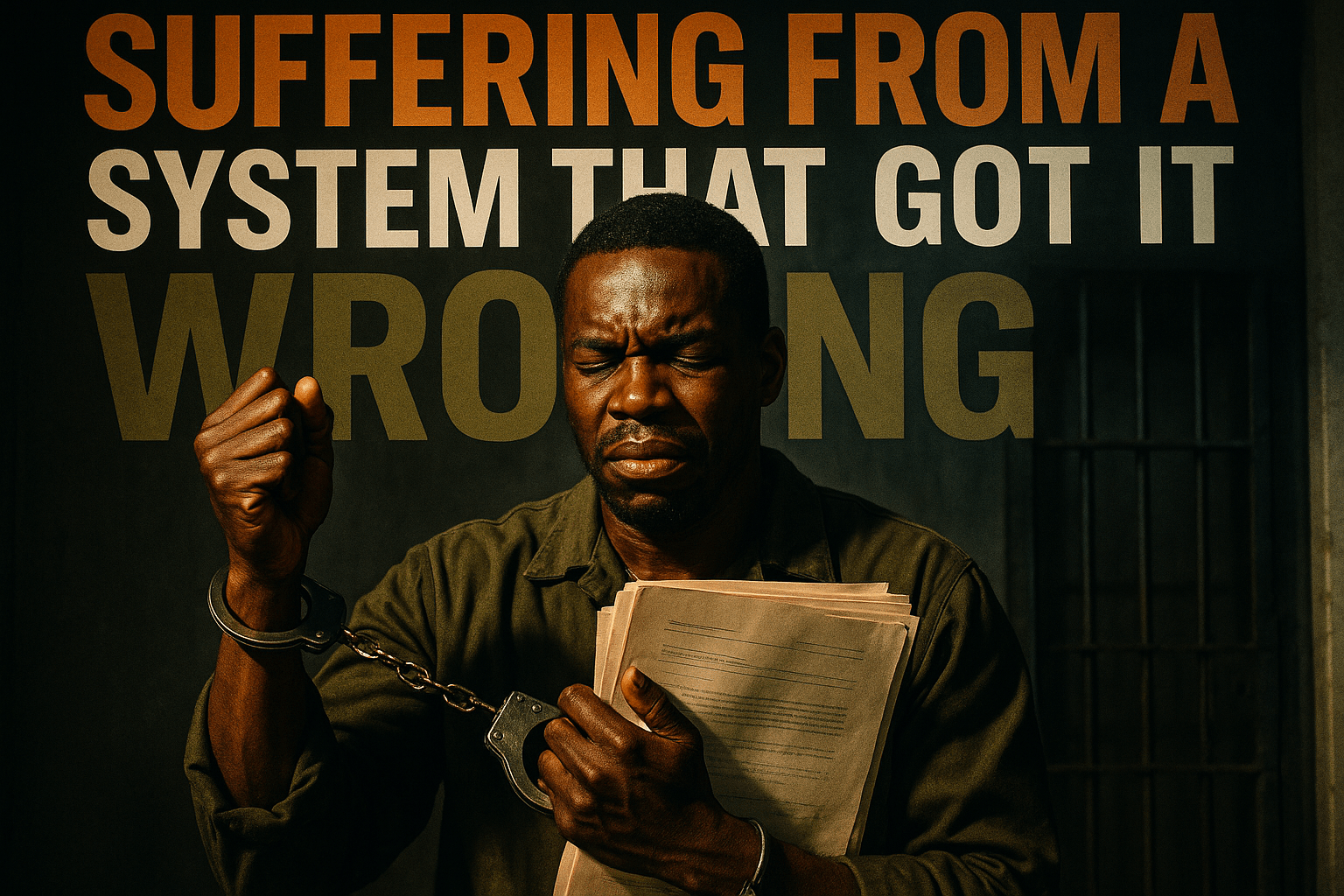
Stephan Long First-Degree Murder Racial Bias Case
By Darius Spearman (africanelements)
Support African Elements at patreon.com/africanelements and hear recent news in a single playlist. Additionally, you can gain early access to ad-free video content.
Stephan Long: A Fight for Justice
The story of Stephan Long, a Black man from Denver, reveals troubling questions about racial bias within the justice system. He faced first-degree murder charges after a harrowing road rage incident that he claims stemmed from self-defense. This case highlights how different individuals can be treated when the roles of alleged victim and defendant are reversed (Atlanta Black Star).
Mr. Long’s experience has sent ripples through his community. Many advocates argue his situation is a clear example of systemic issues in how Black men are perceived and prosecuted, especially when defending themselves against white assailants (CPR).
The Road Rage Incident and Charges
In a terrifying moment on Interstate 25, Stephan Long, 25, was driving with his family. Two white men, identified as the Lucas brothers, grew agitated because they felt he was driving too slowly. They began to follow Mr. Long, aggressively cutting him off. One of the brothers physically assaulted Mr. Long through his open car window (Atlanta Black Star).
Mr. Long stated he was physically attacked and genuinely feared for his life and the safety of his family. He claimed that after being punched, he shot the first brother. He then shot the second brother as they also tried to attack him while he tried to get away (9News). Mr. Long was arrested a few miles away by officers who responded to the shooting, which was heard by an off-duty police officer nearby (Atlanta Black Star). He was charged with first-degree murder.
Stephan Long’s Legal Journey
The Stark Reality of Racial Bias in Self-Defense
The Long case is not an isolated incident. It sadly mirrors a broader pattern of racial disparity in how self-defense claims are handled by the American justice system. A striking 2022 Duke University study revealed a significant difference based on race (CPR).
According to this study, white individuals successfully claim self-defense in 34% of cases when the victim is Black. Conversely, Black individuals are judged to have acted in justified self-defense in merely 3% of cases when the victim is white (CPR). This profound statistical gap suggests that justice may not be evenly applied across racial lines. It also provides a critical lens through which to view Mr. Long’s ordeal.
Justified Homicide Rates by Race
The Heavy Toll on Family and Community
The legal challenges faced by Stephan Long have caused immense hardship for his family. His mother, Stephanie Clifton, described the entire experience as a “complete nightmare,” causing continuous heartache and stress for everyone involved (CPR).
The time Mr. Long spent incarcerated also took a significant toll. Even though he was permitted to seek employment while awaiting trial, the lengthy legal process created constant uncertainty. This case brought community advocates together. They have strongly supported Mr. Long, arguing that his situation perfectly illustrates the systemic problems Black men encounter when engaging with law enforcement and the courts (CPR).
Charges Dismissed and a Lawsuit for Justice
After 14 difficult months in jail, the first-degree murder charges against Stephan Long were finally dismissed in 2024 (9News). This dismissal raised significant questions about the initial decision to charge him so severely and whether racial bias played a role in that decision.
In response to his prolonged and unjust incarceration, Mr. Long has now filed a civil lawsuit. He is specifically claiming that racial bias was a primary factor in how he was treated by both law enforcement officials and prosecutors (9News). This lawsuit seeks not only personal redress but also aims to bring attention to systemic issues that impact our communities.
Understanding Key Legal Concepts: First-Degree Murder, Self-Defense, and Racial Bias
To fully grasp the complexities of Stephan Long’s case, it is important to understand some key legal terms. In Colorado, first-degree murder is defined as the intentional killing of another person with careful thought and planning. It can also apply if the killing shows extreme disregard for human life. This severe charge is generally punishable by life imprisonment without parole (Shouse Law).
However, the concept of self-defense, also known as “justified homicide,” provides a legal justification for taking a life. It means that the person acted to protect themselves from an immediate and severe threat (Shouse Law). The critical distinction between murder and self-defense often relies on whether the act was planned or if there was a real and immediate danger to one’s life. If the evidence suggests deliberate intent, it might lead to a first-degree murder charge instead of a self-defense claim (FindLaw).
Racial bias in the legal system refers to unfair treatment that occurs because of someone’s race. This bias can improperly influence how laws are applied, including decisions related to self-defense and murder charges. Such bias can show up in differences in sentencing or in how often a homicide is considered justified (FindLaw). Proving racial bias in court often involves showing a pattern of unequal results or proving that racial considerations directly influenced legal decisions. This systemic bias can also affect how self-defense claims are viewed and decided, potentially leading to significantly different outcomes for people from various racial backgrounds.
Key Legal Concepts Explained
In Colorado, this is the intentional killing of another person with deliberation and premeditation, or through extreme indifference to human life. It is a Class 1 felony leading to severe penalties.
This refers to the legal justification for killing another person in self-defense, where the act was necessary to prevent immediate harm and the defender was in imminent danger.
Racial bias in the legal system involves unfair treatment based on race that influences the application of laws, including charges and justifications, leading to unequal outcomes across racial groups.
A Journey Towards Broader Change
Stephan Long’s case is more than just an individual legal battle. It has become a powerful symbol for broader calls for justice and equity in the legal system. His experience underscores the urgent need for reforms that address inherent biases, ensuring that the color of one’s skin does not dictate the outcome of one’s encounter with the law.
The advocacy surrounding Mr. Long’s case, including efforts by organizations like the Denver Justice Project, aims to push for systemic changes. These changes hope to prevent other individuals from enduring similar injustices. It illustrates that every individual story can drive a larger conversation about the pursuit of true equality for all people.
ABOUT THE AUTHOR
Darius Spearman has been a professor of Black Studies at San Diego City College since 2007. He is the author of several books, including Between The Color Lines: A History of African Americans on the California Frontier Through 1890. You can visit Darius online at africanelements.org.
