

Listen & Share
Florida Police Misconduct: When Officers Harm the Vulnerable
By Darius Spearman (africanelements)
Support African Elements at patreon.com/africanelements and hear recent news in a single playlist. Additionally, you can gain early access to ad-free video content.
The story of Aleczander “Zander” Cash, an autistic man in Florida, shines a bright light on the complex and often troubling interactions between law enforcement and vulnerable community members. This incident, involving Deputy Zachary MacPherson, quickly escalated from a minor traffic alleged infraction into a deeply disturbing encounter captured on video. The event exposed critical systemic issues, including police training deficits, the nuances of minor legal statutes, and the disproportionate impact of policing on neurodivergent and minority populations.
This deep dive explores the specifics of Zander’s ordeal. Furthermore, it connects the dots to broader patterns of police misconduct in Florida, particularly those affecting Black communities. This single incident serves as a stark reminder of the urgent need for comprehensive reforms within law enforcement to ensure justice and safety for all citizens, especially those who may communicate or process information differently.
Autistic Man Abused by Florida Cops
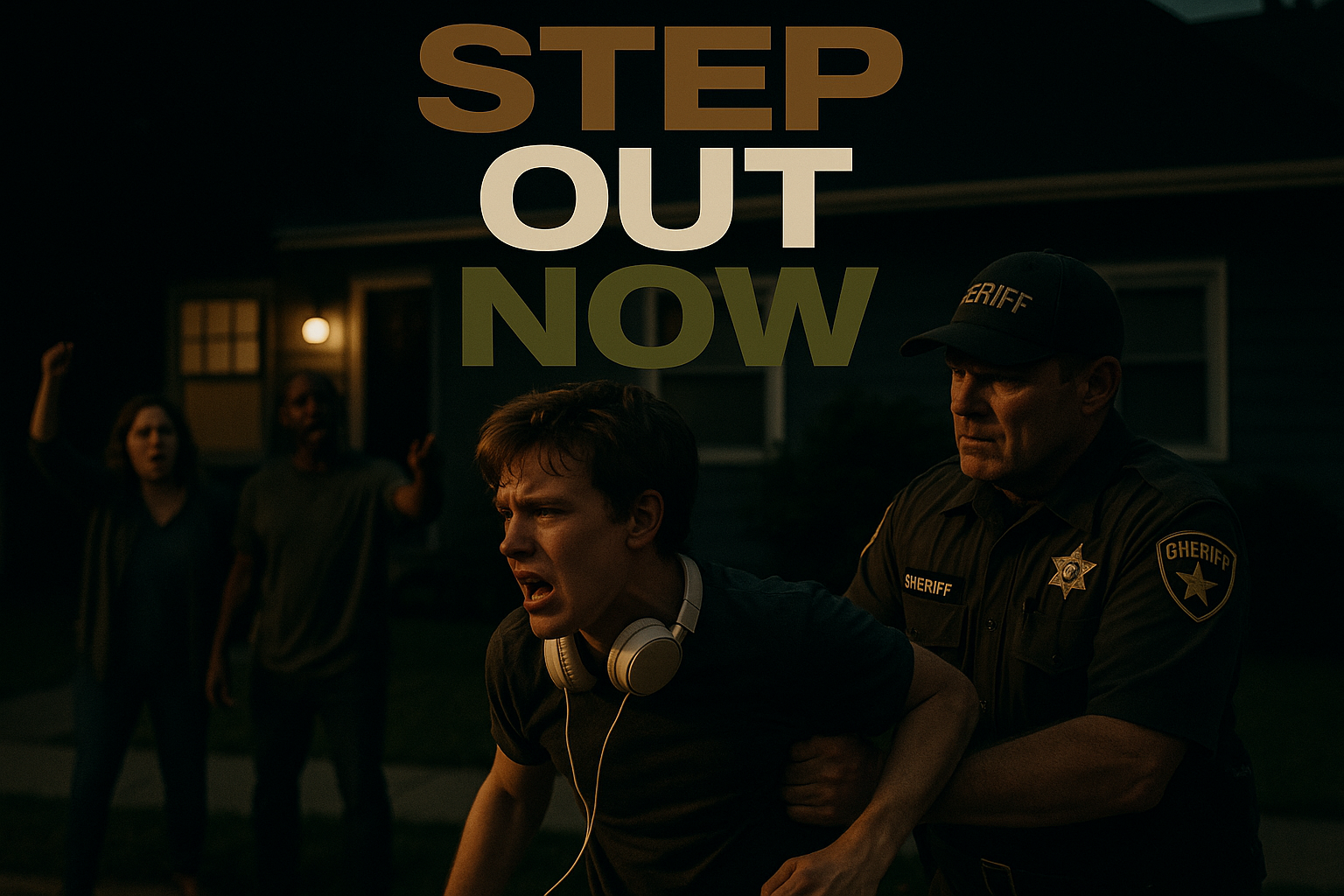
The controversial incident began when Deputy Zachary MacPherson alleged Zander Cash was jaywalking. This claim, however, was later disputed as fabricated (Atlanta Black Star). Zander, who is autistic, was wearing headphones and did not respond to the deputy’s commands. Consequently, MacPherson escalated the situation by threatening to kick down Zander’s door and ultimately, yanking him out of his home (Atlanta Black Star).
The deputy’s aggressive actions were widely criticized after a neighbor livestreamed a video of the incident. MacPherson received a three-day suspension, which many viewed as insufficient. The sheriff’s office initially justified the deputy’s actions as a response to a “potential law violation” (Atlanta Black Star). However, public outcry mounted significantly. Eventually, MacPherson offered an apology, though it was largely perceived as a reaction to public pressure rather than a genuine expression of remorse (Atlanta Black Star). Neighbors across the street protested the deputy’s actions, demonstrating the community’s concern for safety and proper law enforcement conduct (Atlanta Black Star).
The Disconnect: Suspension vs. Perceived Severity
Community outcry often highlights a significant gap between the disciplinary actions taken by law enforcement agencies and the public’s expectation of accountability for misconduct.
Legal Definition of Jaywalking
The term “jaywalking” refers to crossing a street outside designated crosswalks or against traffic signals. Interestingly, “jaywalking” is not a legal term in Florida (Shaked Law). However, certain pedestrian behaviors are regulated by state statutes. Florida Statute 316.130 specifically outlines responsibilities for pedestrians. This statute emphasizes yielding to traffic when crossing outside a marked crosswalk (The 2024 Florida Statutes).
The risk associated with alleged jaywalking remains significant, even if it is not explicitly illegal, due to the potential for danger and legal consequences (Andrew Pickett Law). Deputy MacPherson justified his actions as a response to a “potential law violation.” Law enforcement officers are indeed expected to respond to perceived violations of traffic laws to maintain public safety. However, procedures for responding to such minor infractions typically involve issuing warnings or citations, as opposed to forcing entry into a private residence.
Policing Neurodivergent Individuals
Autism and neurodivergence can profoundly affect how individuals interact with their surroundings and with law enforcement. People with autism may process information differently or have difficulty understanding social cues and complex verbal commands. This can lead directly to misunderstandings in public settings, particularly when interacting with police officers.
Inadequate training for law enforcement on disability awareness can lead to adverse interactions. For instance, a lack of understanding about neurodiverse behaviors or how to accommodate communication differences can escalate a routine encounter into a crisis. Experts in disability advocacy often highlight the crucial need for specialized training to improve these interactions. Sensitivity training for law enforcement is vital to ensure respectful and safe interactions with neurodiverse individuals throughout our communities. Such training programs often include practical scenarios to help officers recognize and respond appropriately to behaviors that may stem from neurodivergence.
Bridging the Communication Gap
Autism Spectrum Disorder (ASD): A neurological and developmental disorder with challenges in social interaction, communication, and repetitive behaviors. For law enforcement, understanding these traits is key to avoiding misunderstandings and preventing escalation.
Florida Law Enforcement Misconduct
The incident involving Zander Cash is certainly not an isolated event in Florida. The state has unfortunately seen other controversial police interactions that highlight ongoing issues within its law enforcement community. For example, in a separate incident in 2021, Timmie Lee Knox, a Black teenager, was Tasered and permanently paralyzed by Palm Beach deputies without committing a crime (Atlanta Black Star). This case painfully underscores the significant consequences that can arise from even routine encounters with law enforcement. It also emphasizes the unique dangers faced by Black individuals during such interactions.
Another incident involved a jaywalking suspect in Ocala who resisted arrest, leading to further complications (CBS Austin). These cases reveal broader patterns of aggressive policing and a lack of de-escalation tactics. Specifically, racial disparities in policing tend to be exacerbated when incidents involve both race and disability factors. This leads to profound community concerns about safety and law enforcement conduct. These concerns often revolve around the racial and socioeconomic makeup of the community, and how such incidents affect perceived safety and trust in law enforcement within Black neighborhoods.
Disproportionate Outcomes: Race and Policing
Comparing the outcomes of police encounters highlights potential disparities, especially when race is a factor.
Public Scrutiny Over Police Misconduct
The viral video of MacPherson’s confrontation with Zander played a significant role in bringing this incident to public attention (Atlanta Black Star). Citizen journalism, including bystander recordings, has become an increasingly vital tool in public perception and police accountability. These recordings often provide crucial, unfiltered evidence and can effectively raise awareness about incidents involving law enforcement. Many times, the public outcry sparked by such videos puts immense pressure on police departments to address misconduct swiftly and transparently.
While public pressure can influence disciplinary actions against law enforcement officers, internal accountability processes remain crucial. These internal systems are designed to ensure that misconduct is addressed consistently and fairly. The increased visibility of incidents through media and social platforms can lead to greater scrutiny and prompt reform efforts within law enforcement agencies. Legal support and services for individuals involved in such incidents are also essential for addressing potential trauma and ensuring justice. This highlights the importance of comprehensive support systems for ensuring fair treatment and recovery for those affected.
The incident with Zander Cash serves as a poignant illustration of Florida’s ongoing struggles to ensure equitable and safe policing for all its residents. The combination of a purportedly fabricated jaywalking charge, the aggressive escalation against an autistic individual, and a seemingly lenient disciplinary response underscores significant systemic failures. Specifically, the case highlights the urgent need for enhanced training protocols focusing on de-escalation and sensitivity toward neurodivergent individuals and other vulnerable populations. It additionally demands a closer examination of the inherent racial biases that continue to plague law enforcement interactions, severely eroding public trust.
Ultimately, true accountability requires more than reactive apologies or minimal suspensions. It demands proactive policy reforms, robust internal oversight, and a genuine commitment to fostering positive relationships between law enforcement and the communities they serve. Only through concerted efforts can Florida hope to cultivate a justice system that protects and respects the rights and dignity of every individual, regardless of their neurodiversity or background. The incidents involving Zander Cash and Timmie Lee Knox stand as powerful calls to action for fundamental change within Florida’s law enforcement system.
ABOUT THE AUTHOR
Darius Spearman has been a professor of Black Studies at San Diego City College since 2007. He is the author of several books, including Between The Color Lines: A History of African Americans on the California Frontier Through 1890. You can visit Darius online at africanelements.org.
