

Listen to this article
Download AudioHaiti’s HIV Crisis: Funding Cuts and Lives on the Line
By Darius Spearman (africanelements)
Support African Elements at patreon.com/africanelements and hear recent news in a single playlist. Additionally, you can gain early access to ad-free video content.
Haiti, a nation with a deep and proud history of Black liberation, faces yet another profound challenge. A critical shortage of HIV medication threatens the health and future of thousands of its citizens. The root of this deepening crisis lies in significant funding cuts from USAID, the United States Agency for International Development. This situation is more than a health problem; it is a human rights issue. It directly impacts a vibrant Black population that has long endured international neglect and economic hardship.
USAID serves as a federal agency that provides humanitarian assistance and development support around the world. In Haiti, its involvement has been extensive. This includes managing healthcare supply chains and funding vital HIV/AIDS programs (USAID Global Health Supply Chain Program). Since October 2023, USAID has committed $368 million for various activities in Haiti (CEPR.net). However, recent funding freezes have brought ongoing programs to a standstill. This threatens essential health services and risks increasing mortality rates due to reduced access to basic care (ACAPS.org). Consequently, Haitian people, already resilient in the face of numerous adversities, now bravely confront this new threat to their well-being.
A Dwindling Lifeline for HIV Patients
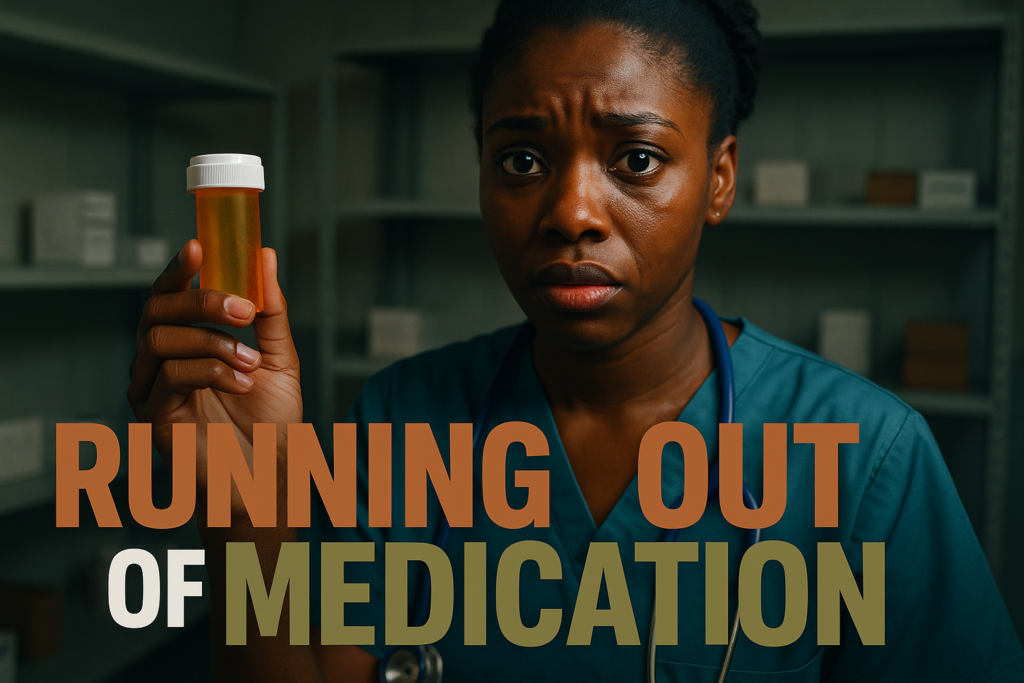
The lack of funding has caused medication supplies to dwindle sharply. This puts HIV patients at immense risk. Experts warn that without consistent medication, HIV can rapidly progress to AIDS. This progression severely threatens life expectancy (Latimes.com). This crisis casts a long shadow over a community that has already faced significant health disparities.
The New Hope Hospital offers a stark example of this devastation. This facility once received over $165,000 annually to support HIV/AIDS patients. Now, it faces empty shelves because funding has completely ceased (Latimes.com). The cessation of funds threatens treatment continuity, including crucial antiretroviral therapy (ART) and pre-exposure prophylaxis (PrEP) services (Unaids.org). Therefore, Haiti stands on the precipice of a severe HIV crisis, further highlighting the precariousness of external aid when domestic resources are scarce.
Impact of Funding Cuts on HIV Services
Key statistics highlighting the immediate impact of USAID funding cuts on healthcare access in Haiti. Source: (Unaids.org), (Latimes.com)
Public Health in Peril
The halt in various HIV services poses an extreme public health risk. Pre-exposure prophylaxis, known as PrEP, is a medication taken by HIV-negative individuals to prevent infection. It contains antiretroviral drugs such as tenofovir and emtricitabine. When used daily, PrEP significantly reduces the risk of HIV transmission (Unaids.org). Most PrEP services have been suspended, available only to pregnant and lactating women. This impacts prevention efforts, especially in the West and Artibonite Departments. Haitian Departments are administrative divisions that organize and facilitate services across the country. These regions are key focal points for humanitarian aid distributions (ACAPS.org). Thus, the suspension directly impacts vulnerable areas.
Furthermore, the funding freeze has stopped communication and community engagement strategies related to HIV prevention. The National HIV Program forecasts a monthly rise of 30 to 50 percent in new HIV infections without these vital activities (Unaids.org). Antiretroviral therapy, or ART, is a treatment regimen for HIV that uses multiple drugs to suppress the virus. This allows individuals to live long and healthy lives (Unaids.org). As of December 2024, 85 percent of people living with HIV had access to ART. However, this coverage is now critically threatened by stock shortages and budget cuts (Unaids.org). The potential loss of these gains represents a severe setback for Haiti’s public health. It threatens to undermine years of progress in HIV management.
Projected Increase in New HIV Infections
Forecasted monthly increase in new HIV infections without communication and prevention activities in Haiti. Source: (Unaids.org)
Navigating Supply Chain Chaos
Haiti’s challenging environment further complicates the distribution of vital HIV medications. Logistical issues have caused shortages of essential HIV medications and other critical medical supplies (Unaids.org). The ongoing gang violence and widespread poverty significantly hinder supply chains. These destabilizing factors make it incredibly difficult to transport goods safely and consistently (Latimes.com), (ACAPS.org). The uncertainty surrounding the USAID-led Global Health Supply Chain Program could further disrupt service delivery. This key program is designed to ensure that HIV medications reach those in need, especially in challenging environments (USAID Global Health Supply Chain Program). Therefore, the vulnerability of this supply chain adds another layer of concern.
A humanitarian flight from Washington D.C. provided a temporary reprieve, delivering antiretroviral drugs sufficient for the next six months (Unaids.org). While this provided much-needed short-term relief, the long-term sustainability remains deeply uncertain. USAID, along with organizations like UNHAS, coordinates these crucial flights. These efforts ensure critical supplies reach affected areas (ACAPS.org). However, a sustained flow of medication requires more than intermittent aid. It demands a stable and consistent funding commitment. This ongoing struggle underscores the complex challenges faced by nations like Haiti, which are highly dependent on external support for basic public health services.
The Looming Resurgence
The funding cuts could lead to a devastating resurgence of HIV infections across Haiti. This would severely exacerbate the existing public health crisis (Latimes.com), (Unaids.org). The halt in prevention services and the limited availability of medication will undoubtedly increase the number of new HIV cases (Unaids.org). Without ART, the life expectancy for HIV-positive individuals is significantly reduced. The virus progresses to AIDS, leading to severe complications like opportunistic infections and cancers (Unaids.org). This paints a grim picture for those already living with the virus and those at risk.
Approximately 35,000 patients are at immediate risk due to diminished access to HIV treatment through USAID-financed sites (Unaids.org). Historically, U.S. funding, particularly through the President’s Emergency Plan for AIDS Relief (PEPFAR), has been vital. PEPFAR is a U.S. program to prevent and treat HIV/AIDS globally. It provides critical funding for treatment, prevention, and care services (Unaids.org). PEPFAR-supported sites cover 80 percent of PrEP patients nationwide (Unaids.org). This crucial support has built a fragile infrastructure over years. Previous funding gaps show how quickly health services can falter (ACAPS.org). The current situation makes people question the sustainability of such aid and the responsibility of the global community to this Black nation.
Patients At Risk Due to Funding Crisis
Number of HIV patients directly impacted by reduced access to treatment. Source: (Unaids.org)
Defying Stigma in Crisis
Amidst this hardship, the spirit of the Haitian people shines through. Many Haitians living with HIV are courageously speaking out against these funding cuts. They are publicly denouncing the situation and defying the stigma associated with HIV. “Defy stigma” refers to campaigns and initiatives aimed at reducing the social shame linked to HIV/AIDS (Unaids.org). This is incredibly important. It encourages individuals to continue seeking and receiving necessary care. Reducing stigma helps ensure that people living with HIV feel supported and less isolated. This fosters their continued engagement with health services, even during funding challenges (Unaids.org).
However, the reasons for USAID’s funding cuts are complex. They likely stem from broader policy or political considerations within the U.S. government. The exact reasons for the freeze are not explicitly detailed in publicly available information (CEPR.net). This lack of transparency can be frustrating for those directly impacted. The Haitian government’s ability to fill this substantial funding gap remains uncertain. There is no clear indication of significant government intervention reported (ACAPS.org). Therefore, the search for alternative funding sources becomes even more crucial. This will help mitigate the impact of the funding freeze on essential health services. As a result, the global community must recognize its role and responsibility to the Haitian people. This beautiful and resilient nation deserves consistent support and respect in its journey toward health and stability.
ABOUT THE AUTHOR
Darius Spearman has been a professor of Black Studies at San Diego City College since 2007. He is the author of several books, including Between The Color Lines: A History of African Americans on the California Frontier Through 1890. You can visit Darius online at africanelements.org.
