
Listen to this article
Download AudioProstate Cancer in Black Men: Risks, Symptoms, and Action
By Darius Spearman (africanelements)
Support African Elements at patreon.com/africanelements and hear recent news in a single playlist. Additionally, you can gain early access to ad-free video content.
Prostate cancer is a condition where abnormal cells begin to grow in the prostate gland. This small gland is part of the male reproductive system, located just below the bladder. It is one of the most common cancers impacting men globally (Urology Health).
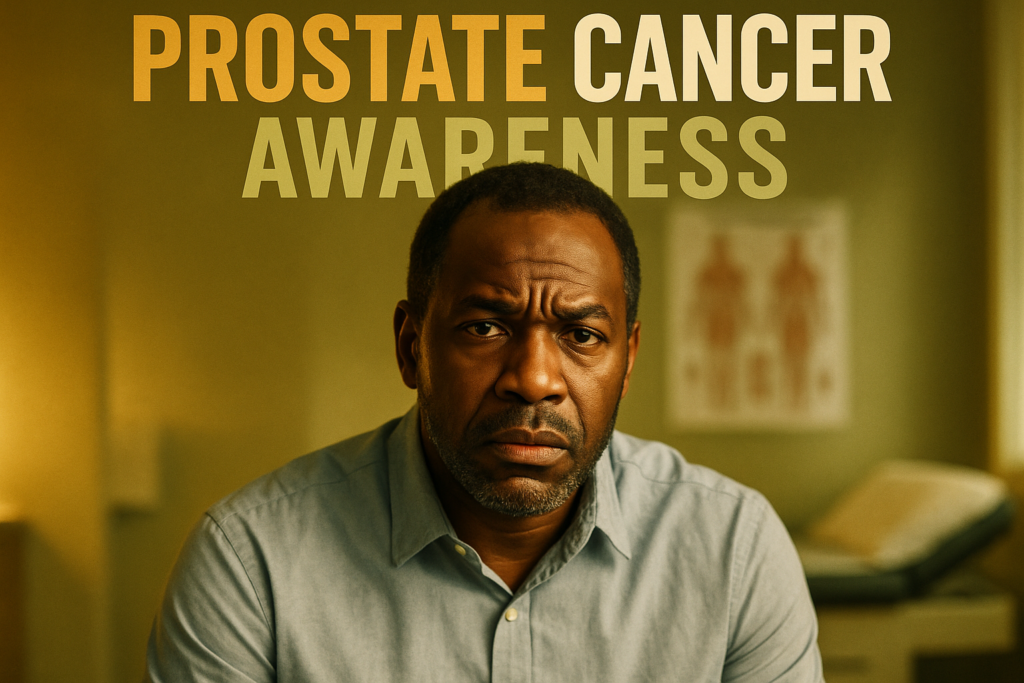
For Black men, this disease carries a heavier burden. Our brothers face a significantly higher risk of both developing and dying from prostate cancer compared to men from other racial and ethnic backgrounds. Understanding this disparity is a crucial step towards protecting our community’s health and our families.
The Disproportionate Impact on Black Men
The numbers reveal a stark reality that should compel us to pay attention. Black men are nearly twice as likely to develop prostate cancer as white men. The risk of dying from this disease is even more alarming, as Black men are twice as likely to succumb to it (MSKCC). This means our fathers, uncles, brothers, and sons are facing unique dangers.
Further complicating matters, other studies show even higher incidence and mortality rates. Black men experience a 67 percent higher incidence of prostate cancer. Their risk of dying from it is more than two times higher compared to all other races and ethnicities (Urology Times). This equates to about one in four Black men receiving a prostate cancer diagnosis in their lifetime. This rate is double the risk found in men of other backgrounds (Prostate Cancer UK). Clearly, these statistics highlight a critical need for targeted awareness and action within our communities.
Prostate Cancer Disparities for Black Men
A Younger and More Aggressive Threat
Our community must understand that prostate cancer in Black men can appear at a younger age. This makes early vigilance even more critical for us. While still uncommon, it is possible for men under 45 to receive a diagnosis (Prostate Cancer UK).
In addition to appearing younger, prostate cancer diagnosed in Black men may also be more aggressive. This aggression means the cancer grows faster and may spread more quickly throughout the body (Cancer.org). These distinct characteristics present unique challenges for both screening and treatment. Due to these substantial disparities, healthcare providers should consider a targeted approach to screening, treatment, and follow-up care for Black men (Urology Times).
Recommended Screening Age for Black Men
Updated guidelines suggest that Black men consider PSA screening between the ages of 40 and 45 due to their elevated risk.
Understanding Symptoms and Late Diagnoses
The symptoms of prostate cancer in Black men are generally the same as in other men. Common signs include difficulty urinating or a weaker stream, a frequent urge to urinate, especially at night, or blood in the urine or semen (Mayo Clinic, Click2Houston). If the cancer spreads, men may experience bone pain.
A critical point to remember is that most men with early prostate cancer do not show any symptoms (Prostate Cancer UK). Symptoms usually only develop when the cancer has grown large enough to affect the urethra or has begun to spread to other parts of the body (Prostate Cancer UK). This lack of early warning signs, combined with the more aggressive nature of the disease in Black men, often leads to diagnoses at later stages. Late-stage prostate cancer is more challenging to treat successfully, which contributes to the higher mortality rates we see in our community (Cancer.org).
Complex Factors Behind the Disparity
The reasons why Black men face such a high risk and mortality rate for prostate cancer are complex. There is no single cause. Rather, a combination of biological, social, and environmental factors contribute to this challenging reality. Age remains a primary risk factor, with the risk increasing significantly after 50 years of age (CDC).
Biological factors, such as a family history of prostate cancer, greatly increase personal risk (Cleveland Clinic). If close relatives have had the disease, especially at a younger age, the risk is higher. Our understanding of specific genetic markers and biomarkers that contribute to the disease in Black men is also growing (Cleveland Clinic). Furthermore, lifestyle choices like smoking, limited physical activity, and obesity can worsen outcomes (MSKCC). Social and environmental issues like nutrition, access to healthcare, and exposure to environmental pollutants also play a role (MSKCC).
Ultimately, issues of health equity are heightened for Black men. Systemic disparities in healthcare access, including insurance barriers, geographic limitations, and implicit bias, can lead to delayed diagnoses and poorer treatment outcomes (Cleveland Clinic, Urology Times). Addressing these many factors requires a comprehensive approach within our communities and the broader healthcare system.
Key Contributing Factors to Higher Risk
The Crucial Role of Early Detection
Given that most early prostate cancers do not cause symptoms, regular screening is strongly recommended for Black men (Prostate Cancer UK). Early detection drastically improves outcomes and allows for more successful treatment. The PSA (Prostate-Specific Antigen) blood test is a common screening tool used to detect early signs of prostate cancer (Cleveland Clinic).
Updated guidelines now suggest that Black men consider PSA testing between the ages of 40 and 45. This recommendation is due to the elevated risk faced by our community (MSKCC). Black men are also advised to discuss prostate cancer risk and PSA blood test options with their doctor from age 45, or even earlier if they have specific concerns (Prostate Cancer UK). This proactive approach could be life-saving for many of our brothers.
Empowering Our Community Through Action
Knowledge is our first line of defense. Understanding the unique risks and challenges of prostate cancer for Black men empowers us to take action. We must encourage our fathers, brothers, and sons to talk to their doctors about screening, especially between the ages of 40 and 45. Regular conversations about health are essential, even when no symptoms are present.
Furthermore, supporting health equity is vital. Community resources, including local health clinics and advocacy groups, play a crucial role in increasing awareness and improving access to care (Cleveland Clinic). By sharing this information, challenging disparities, and promoting early detection, we can collectively work towards better health outcomes for Black men and strengthen the well-being of our entire community.
ABOUT THE AUTHOR
Darius Spearman has been a professor of Black Studies at San Diego City College since 2007. He is the author of several books, including Between The Color Lines: A History of African Americans on the California Frontier Through 1890. You can visit Darius online at africanelements.org.
