
Listen & Share
Unjust Mistake: The Eboni Pouncy Shooting and Lawsuit
By Darius Spearman (africanelements)
Support African Elements at patreon.com/africanelements and hear recent news in a single playlist. Additionally, you can gain early access to ad-free video content.
A Fateful Night in Harris County
The night of February 3, 2024, began with a simple mistake that escalated into a life-altering tragedy for Eboni Pouncy, a Black woman in Harris County, Texas. Pouncy and a friend found themselves locked out of her friend’s apartment, realizing they had left the keys at a restaurant (AtlantaBlackStar). Rather than paying a steep $60 locksmith fee, they made the unfortunate decision to try and enter the apartment themselves.
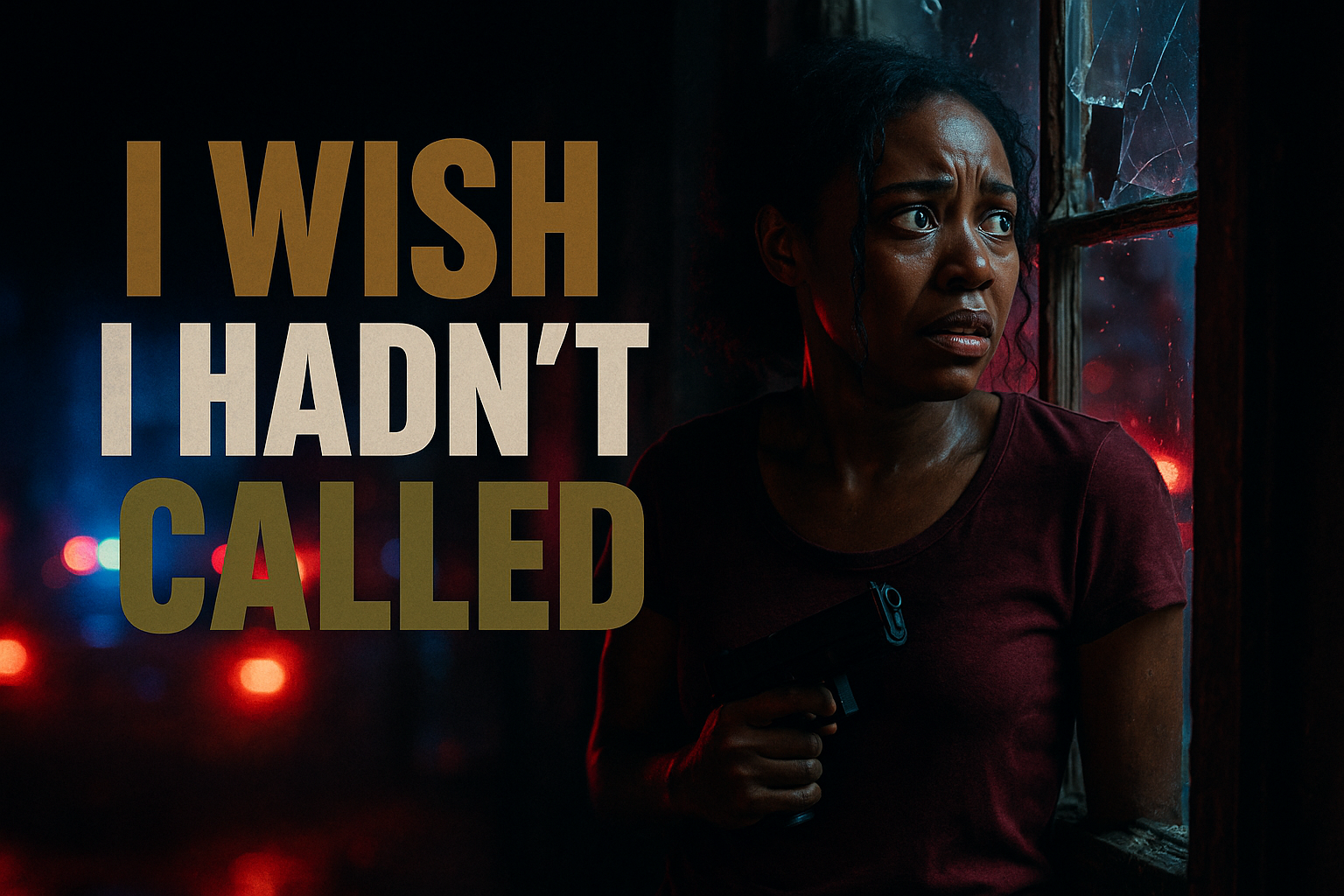
This attempt to regain entry, which involved breaking glass, caught the attention of a neighbor, Robert Mitchell. He heard the sounds and, fearing a burglary, made a 911 call (AtlantaBlackStar). Mitchell later expressed profound regret for making that call, wishing he had never dialed for help. His decision inadvertently set in motion the events that would leave Pouncy critically injured and ignite a new conversation about law enforcement practices and racial dynamics in our communities.
An Unjust Encounter: Shots Fired
Upon the arrival of Harris County deputies, the situation quickly turned violent. Eboni Pouncy, unaware that law enforcement officers were outside, approached the door while holding her personal firearm for safety (ABCNews). Deputies claimed they spotted someone with a gun through a window, which they cited as justification for what unfolded next. However, the lawsuit filed on Pouncy’s behalf tells a different story.
According to her legal complaint, deputies knocked on the door just once and immediately took cover (Click2Houston). They allegedly did not announce themselves further or issue any commands before opening fire. This lack of warning resulted in Eboni Pouncy being shot five times. Her tragic injuries highlight a common concern within Black communities: interactions with law enforcement can quickly become dangerous and even deadly, even during mistaken circumstances. The contrast between the official account and Pouncy’s narrative underscores the critical need for transparency and thorough investigation in such incidents.
Seeking Justice: The Federal Lawsuit
In response to the shooting, Eboni Pouncy has filed a federal lawsuit against Harris County and the two deputies involved (Ground.news). This legal action centers on an allegation of excessive force. Excessive force occurs when law enforcement officers use more physical force than is necessary to control a situation or detain an individual. Police force must be proportional to the perceived threat (Jmarshlaw). This concept is crucial in civil rights law and directly impacts a person’s bodily autonomy, which the Fourth Amendment protects.
The lawsuit seeks to hold both the deputies and the department accountable for their actions, specifically pointing to the alleged absence of warnings before the shooting began (Ground.news). Attorney Ben Crump, a prominent civil rights advocate, represents Eboni Pouncy. Crump’s involvement signifies the broader implications of this case, as he routinely highlights the consistent dangers Black Americans encounter during interactions with law enforcement (AtlantaBlackStar). Federal lawsuits offer avenues for aggrieved individuals to seek both damages and other remedies for civil rights violations. Outcomes can include financial compensation for the victim, policy changes within the police department, and in some instances, criminal penalties for the officers involved (Privette Law Office).
Key Elements of a Federal Lawsuit for Excessive Force
Allegation of Excessive Force
Officers used more force than objectively reasonable for the situation.
Violation of Civil Rights
This action violates constitutional protections, typically the Fourth Amendment.
Seeking Accountability
The lawsuit aims for liability for the officers and policy changes for the department.
Potential Outcomes
Financial compensation for the victim, departmental policy reforms, and criminal charges.
Accountability and Department Scrutiny
Following the incident, both deputies involved in the shooting were placed on administrative leave (ABCNews). Administrative leave is a temporary suspension of an employee’s regular duties, often with pay, implemented while an internal investigation or legal review is underway. It allows for an impartial review without the officer actively serving on duty. This action does not imply guilt; instead, it ensures public safety and maintains the integrity of the ongoing investigation. The sheriff’s department and the local district attorney are actively investigating the incident, and the case has been referred to a grand jury.
A grand jury, a body of citizens, reviews evidence in a criminal case to determine if there is enough evidence to indict someone and proceed to trial. Grand jury proceedings are typically secret and do not decide guilt, but rather whether probable cause exists for charges. In cases involving alleged police misconduct, a grand jury investigation is a crucial step toward potentially holding officers accountable by determining if criminal charges should be pursued. Additionally, body-camera video captured during many police interactions provides objective evidence of officers’ actions. This footage is often crucial in evaluating excessive force allegations and uncovering the facts of a case. The release of such video can significantly influence public opinion and legal proceedings by verifying or disputing witness statements, prompting demands for transparency from the community.
Immediate Impacts of the Eboni Pouncy Incident
Severe Physical Injury
Eboni Pouncy was shot five times, highlighting the immediate and life-threatening consequences of mistaken identity combined with police force.
Federal Lawsuit Filed
The incident led to an immediate federal lawsuit alleging excessive force, indicating a challenge to law enforcement’s actions and policies.
Deputies on Administrative Leave
The officers involved were placed on leave, signaling the start of internal investigations and scrutiny of their conduct.
A System Under Scrutiny: Racial Justice
Eboni Pouncy’s case, unfortunately, fits into a larger pattern of racial disparities within policing, which civil rights advocates frequently highlight. Studies reveal that people of color endure disproportionate scrutiny, arrests, and use of force when compared to white individuals, even after accounting for other variables. These disparities violate constitutional protections and civil rights laws like the Civil Rights Act and the Police Misconduct Provision (Police Brutality Center).
Incidents of excessive force inflict a deep wound on the trust between law enforcement and communities, especially Black communities. This damage can lead to increased fear, a reluctance to report crimes, and persistent calls for systemic reform. The impact extends beyond individual events; it shapes the perception of justice and safety for entire neighborhoods and cities. Heightened scrutiny of police tactics and demands for greater accountability and transparency often follow such incidents within the African American community in Harris County and across the nation.
Lingering Questions, Persistent Concerns
The Eboni Pouncy incident, like many involving police violence, leaves several critical questions unanswered for the public. For instance, while it is known that Pouncy was shot multiple times, her current medical or emotional condition post-incident remains undisclosed. The victim’s ongoing recovery, both physical and psychological, greatly influences how the public and legal system perceive the extent of the harm endured and the necessity of justice.
Furthermore, questions arise regarding the accountability of the neighbor who made the 911 call. Currently, few legal mechanisms exist to hold individuals responsible for false or racially biased 911 reports, unless clear evidence of intentional wrongdoing can be proven. This lacuna leaves communities vulnerable to potentially harmful police interventions spurred by uninformed or prejudiced calls. The incident also prompts a necessary review of police protocol. Standard police procedures often require officers to issue verbal warnings and clearly announce their presence before using force, particularly in residential settings (Jmarshlaw). Any deviation from these established guidelines can form a central part of an excessive force lawsuit, spotlighting the need for strict adherence to police codes that prioritize de-escalation and proportionality. The Harris County Police Department’s involvement also invites broader scrutiny of its training, policies, and historical record regarding use of force and how it responds to calls within the community.
Key Unanswered Questions from the Eboni Pouncy Incident
Eboni Pouncy’s Current Condition
What is her medical and emotional status following being shot five times? This influences public and legal responses.
Neighbor’s Accountability
Will there be consequences for the 911 caller, particularly for potential false or biased reporting?
Police Protocol Violations
Were specific police procedures on warnings, announcements, and de-escalation violated before the shooting?
Harris County Department’s Record
What is the department’s history of use-of-force complaints, training, and internal culture?
ABOUT THE AUTHOR
Darius Spearman has been a professor of Black Studies at San Diego City College since 2007. He is the author of several books, including Between The Color Lines: A History of African Americans on the California Frontier Through 1890. You can visit Darius online at africanelements.org.
