
Listen & Share
Trump’s Travel Ban: Geopolitics and Imperialism
By Darius Spearman (africanelements)
Support African Elements at patreon.com/africanelements and hear recent news in a single playlist. Additionally, you can gain early access to ad-free video content.
A New Travel Ban Unveiled
In June 2025, President Donald Trump announced a significant travel ban. This policy restricts entry into the United States from nineteen different nations, raising serious global concerns. Consequently, many people wonder about the ban’s true intentions and its long-term consequences. Policies like this often spark discussions about American imperialism, suggesting that the United States’ geopolitical interests play a considerable role in such decisions.
The ban presents a complex picture. It fully prevents entry from countries such as Afghanistan, Libya, Somalia, and Sudan (Whitehouse.gov). Additionally, Myanmar (Burma), Chad, the Republic of the Congo, Equatorial Guinea, Eritrea, and Haiti also face similar full restrictions (The IRC). Another seven countries experience partial restrictions. Iran, for example, is not fully banned but faces strict scrutiny, with some exceptions made for persecuted minorities (The IRC). This layered approach underscores the nuanced nature of the new policy.
Impacts on Human Lives and Diaspora
The human cost of this travel ban is a major concern. It affects refugees and those seeking asylum in the United States, especially threatening family reunification efforts. There is no clear humanitarian waiver for urgent situations (The IRC). This policy is widely criticized for being discriminatory and for potentially worsening humanitarian crises worldwide. For example, it could deepen suffering in places like Ukraine and Sudan (The IRC), where people are already struggling with conflict and displacement.
For African American families, particularly those with ties to the African diaspora, this ban presents unique challenges. Restrictions on travel from African nations can strain social connections and humanitarian projects in which African Americans are actively involved. The ban’s impact could indeed extend far beyond borders, affecting familial and community bonds built over generations. Furthermore, global stability and African American interests abroad could face broader implications from increased geopolitical tensions.
Key Areas of Humanitarian Concern from Travel Bans
Legal Challenges and Political Shifts
Legal experts predict that the Supreme Court will likely uphold this new ban. The reasoning relates to its more diverse list of restricted countries, which includes nations not primarily Muslim-majority. This broader mix makes it harder to argue that the ban is discriminatory on religious grounds (WSWS). Previous Supreme Court rulings have generally supported the executive branch’s wide authority in immigration matters (Trump Travel Ban – Wikipedia). Therefore, these legal precedents could pave the way for validation of the current policy.
The ban also highlights a notable change in political rhetoric. President Trump now states policies directly, without attempting to soften them with humanitarian claims or democratic ideals (WSWS). This directness indicates a more assertive approach to policy implementation. Consequently, this shift in language may influence how the public perceives and reacts to government actions impacting human rights and international relations.
The Lens of American Imperialism
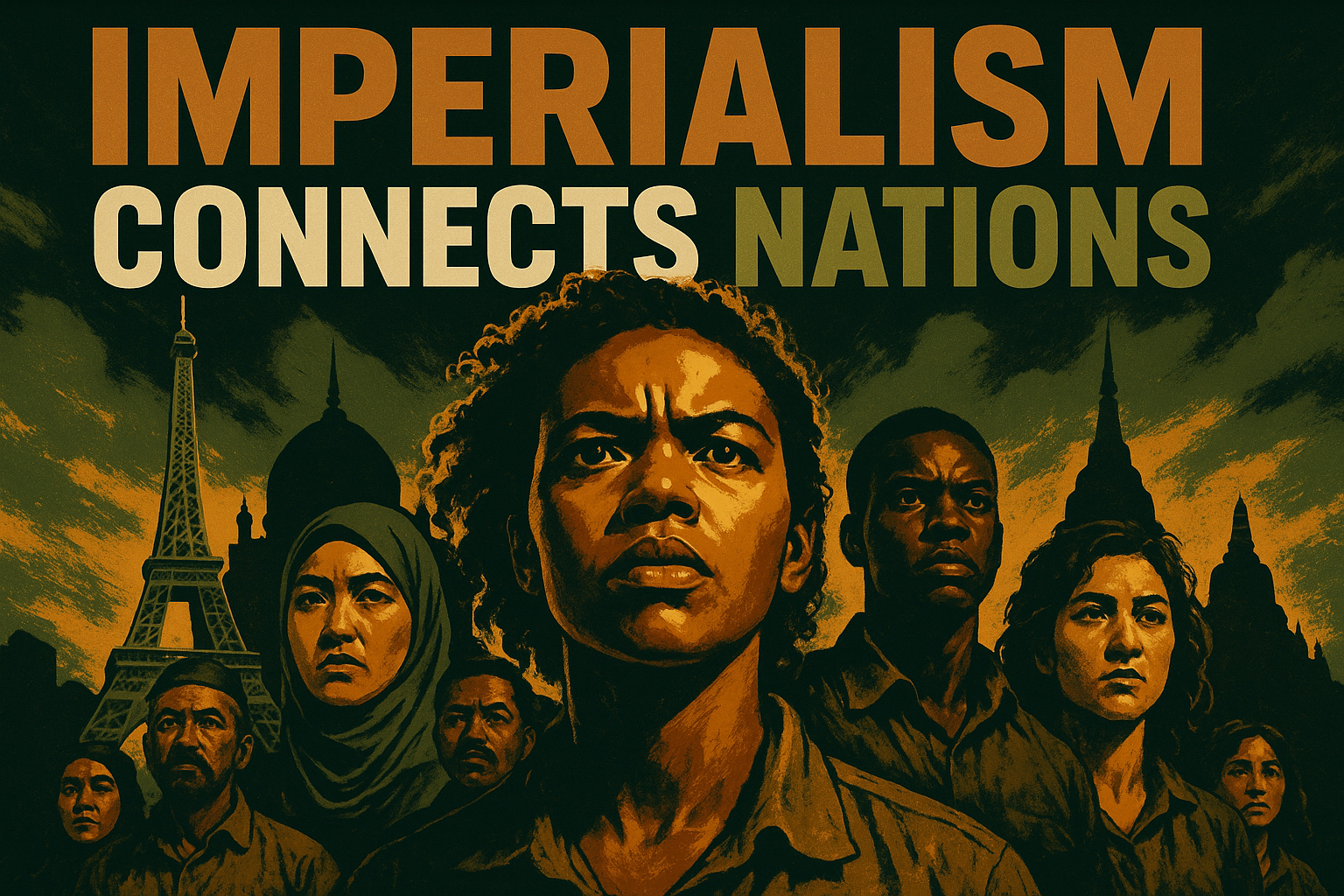
Critics argue that policies like the travel ban align with the broader geopolitical interests of the United States. This perspective suggests that the ban is an act of American imperialism (WSWS). American imperialism describes the expansion of U.S. power and influence beyond its own borders. This often happens through policies that either control or restrict interactions with foreign nations (US imperialism – Wikipedia). For many within the African diaspora, this concept resonates deeply with historical patterns of global power imbalances.
According to this view, Trump’s travel ban serves as a tool to gain more control over foreign territories or governments. The restrictions on countries deemed “unstable” fit into such an imperialist strategy (US imperialism – Wikipedia). The United States has a long history of imperialist practices, including territorial expansion and efforts to change governments in other countries (US imperialism – Wikipedia). The lack of meaningful media and political pushback against the new travel ban further suggests a quiet acceptance of these underlying imperialist policies (WSWS). This silence reinforces the idea that such policies are becoming normalized, even when they impact vulnerable populations globally.
Key Aspects of American Imperialism Related to Travel Bans
Geopolitical Interests
Policies reflect national security interests & desire to exert influence. (WSWS)
Extension of U.S. Power
Focus on extending political, economic, and military influence globally. (US imperialism – Wikipedia)
Control and Restriction
Imposing limits on foregin interactions and immigration flows. (US imperialism – Wikipedia)
Historical Precedent
Connection to U.S. history of territorial expansion & regime change. (US imperialism – Wikipedia)
National Security and Xenophobia
The travel ban is justified as a measure for national security and public safety. Its stated purpose is to prevent individuals who might pose a security risk from entering the United States (Trump Travel Ban – Wikipedia). The policy intends to stop the entry of individuals susceptible to terrorist threats or hateful ideologies into the country (Trump Travel Ban – Wikipedia). Nevertheless, enhanced vetting and screening processes are required for people from restricted countries (Trump Travel Ban – Wikipedia). The effectiveness of these measures remains a subject of ongoing debate.
However, reinforcing fear-based narratives about foreign nationals can lead to a rise in xenophobia. When certain groups are singled out, it perpetuates harmful stereotypes about immigrants. Such stereotypes can fuel discrimination and increase social tensions within communities (WSWS). This atmosphere of suspicion can erode trust between communities and obstruct efforts toward genuine national unity and cohesion amongst the diverse populations of the United States. Moreover, the ban’s implementation and public reception deeply influence how well different groups integrate into society.
Understanding Exemptions and Refugee Policies
Exceptions to the travel ban often include specific groups, such as persecuted minorities from countries like Iran (Trump Travel Ban – Wikipedia). These exemptions are crucial for providing humanitarian relief. However, the precise details of which minorities are covered and how these exceptions are applied are not always clear to the public (U.S. Department of State). Decisions are frequently made on a case-by-case basis, depending on individual circumstances (U.S. Department of State). This process, while necessary, can be lengthy and confusing for those seeking refuge.
The United States has a proud history of offering haven to individuals fleeing persecution and violence. The U.S. refugee admissions program usually involves a thorough vetting process (U.S. Department of State). However, travel bans restrict entry from specific nations, changing how many refugees can be admitted. This represents a clear departure from America’s traditional commitment to humanitarian assistance for those in dire need (Trump Travel Ban – Wikipedia). This shift in policy can disproportionately affect individuals from certain African and Middle Eastern countries, often those already enduring profound hardships.
Comparing Trump’s Travel Bans: 2017 vs. 2025
2017 Travel Ban
Issued at the start of the Trump administration, primarily targeted countries that were Muslim-majority nations.
- Faced significant legal challenges.
- Sparked widespread public protests.
- Controversial due to perceived religious discrimination.
2025 Travel Ban
Announced in June 2025, expanding restrictions to 19 countries, including a more diverse group of nations.
- Includes non-Muslim-majority countries like Chad.
- Expected to be upheld by Supreme Court.
- Reflects a shift to more direct policy articulation.
Broader Ramifications and Economic Effects
The travel ban is part of the United States’ broader geopolitical strategy. This strategy aims to exert influence over foreign governments and strictly manage immigration. Strategic relationships with targeted nations can influence how travel restrictions are put into place (WSWS). Consequently, the ban becomes a tool within a larger security framework that seeks to protect U.S. national interests globally. Such policies, while framed as protective, often carry hidden costs and implications for developing countries.
The economic impact of travel bans can be substantial, influencing international trade and labor markets. Restrictions on who can enter the United States can lead to worker shortages in specific industries. These economic effects are often felt unevenly, especially impacting communities based on their racial and ethnic backgrounds. For many diaspora members, these policies create additional barriers to trade, investment, and cultural exchange with their countries of origin, causing financial strain and isolation. These disruptions are examples of how immigration policies can have far-reaching economic consequences, both domestically and internationally.
Conclusion
President Trump’s travel ban of 2025 showcases a complex mix of security aims, political considerations, and potential imperialistic motives. While immediate humanitarian concerns, such as disrupted family reunifications for refugees and asylees, are significant, the broader implications for U.S. foreign policy are also very important. This policy reflects a continuing evolution in how the United States projects its power globally. It also brings into sharp focus the consistent challenges faced by Black and brown communities across the world due to policies of selective engagement and restriction.
The connection to American imperialism highlights a historical pattern of extending U.S. influence, often at the expense of other nations and their citizens. A deeper look into the economic and demographic effects would offer more insights into the ban’s extensive impact. Moreover, continued vigilance and advocacy are crucial for ensuring that policies like this do not further isolate global communities and exacerbate existing inequalities. Understanding the full scope of these policies helps us advocate for more compassionate and inclusive immigration systems.
ABOUT THE AUTHOR
Darius Spearman has been a professor of Black Studies at San Diego City College since 2007. He is the author of several books, including Between The Color Lines: A History of African Americans on the California Frontier Through 1890. You can visit Darius online at africanelements.org.
