
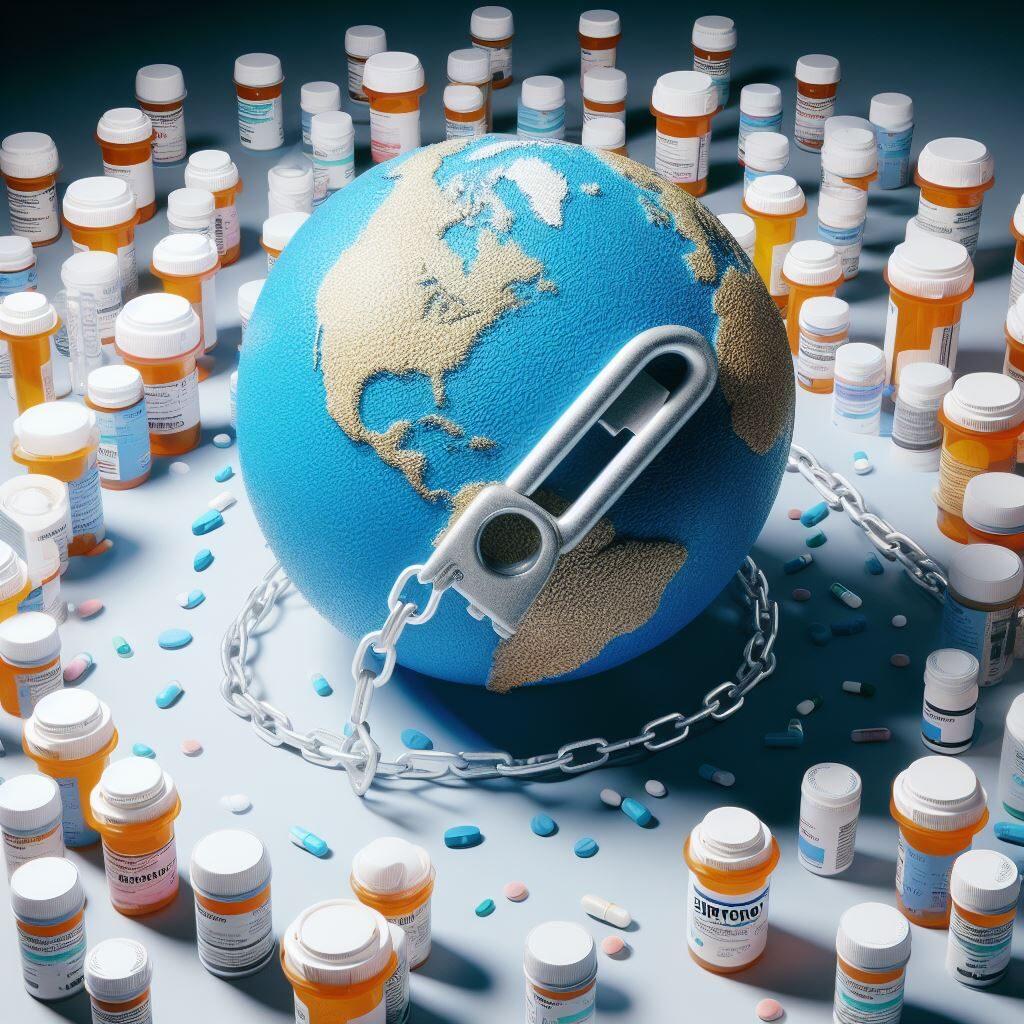
Navigating Global Health: Johnson & Johnson’s Revolutionary Patent Decision on SIRTURO®
Explore Johnson & Johnson’s groundbreaking decision not to enforce SIRTURO® patents for treating multidrug-resistant tuberculosis in 134 countries, promoting global health.
By Darius Spearman (africanelements)
About the author: Darius Spearman is a professor of Black Studies at San Diego City College, where he has been pursuing his love of teaching since 2007. He is the author of several books, including Between The Color Lines: A History of African Americans on the California Frontier Through 1890.
Key Takeaways:
| Johnson & Johnson Decision | Impact |
|---|---|
| Not enforcing SIRTURO® patents in 134 low- and middle-income countries | Enhanced access to multidrug-resistant tuberculosis treatment |
| Addressing underdiagnosis of the disease | Improved global health outcomes |
| Continued investments in global health collaborations | Sustainable solutions for MDR-TB treatment access |
Introduction
In a significant step toward addressing global health disparities, Johnson & Johnson has confirmed its intention not to enforce patents on its drug SIRTURO® (bedaquiline) in 134 low- and middle-income countries. This decision reflects a pioneering approach in the pharmaceutical industry to balance intellectual property rights with the urgent need for accessible, affordable treatments for life-threatening diseases like multidrug-resistant tuberculosis (MDR-TB).
The implications of this decision are profound, extending beyond immediate access to treatment. It sets a precedent in the industry, potentially inspiring other pharmaceutical giants to follow suit. The ripple effect of such decisions can significantly impact global health, especially in regions where access to advanced medical treatments is severely limited.
Historical Context
Johnson & Johnson’s engagement in the global fight against MDR-TB is not a new endeavor. The company has been at the forefront of developing solutions to combat this deadly disease. The introduction of SIRTURO® (bedaquiline), the first targeted TB medicine with a novel mechanism of action in over 40 years, in 2012, marked a significant milestone in the battle against tuberculosis.
Over the past decade, Johnson & Johnson has invested in critical TB systems capacity, such as healthcare professional training, resistance testing and surveillance, and supply chain security. These investments underscore the company’s long-term commitment to addressing global health challenges, going beyond mere drug provision to building robust healthcare systems capable of managing and containing the spread of drug-resistant TB.
Patent Enforcement Decision
The decision to relinquish patent enforcement rights on SIRTURO® in 134 designated countries is a groundbreaking move. This action assures generic manufacturers that they can produce and sell high-quality generic versions of SIRTURO® without fear of legal repercussions from Johnson & Johnson. As a result, this fosters a more competitive market, driving down the price of the drug and making it more accessible to those in need.
Furthermore, this decision builds on a broader narrative of corporate social responsibility within the pharmaceutical industry. By taking such a bold step, Johnson & Johnson is not only addressing the immediate need for accessible MDR-TB treatment but also setting a precedent for other pharmaceutical companies to consider the global health impact of their patent enforcement policies.
Reaction from the Healthcare Community
The healthcare community has largely welcomed Johnson & Johnson’s decision. Organizations like Doctors Without Borders, which have been at the forefront of providing medical care in resource-limited settings, see this as a positive step towards addressing the global TB crisis. The decision opens doors for more affordable treatment options, which is crucial in low- and middle-income countries where the disease burden is highest.
Furthermore, healthcare charities have lauded this decision as it aligns with the broader goal of improving healthcare access and affordability globally. By mitigating the patent enforcement on SIRTURO®, Johnson & Johnson is contributing to a larger narrative of creating a more equitable healthcare landscape. The reaction from the healthcare community underscores the significance of such corporate decisions in advancing global health agendas.
Impact on Treatment Access
| Factors | Before the Decision | After the Decision |
|---|---|---|
| Availability of SIRTURO® | Limited due to patent rights | Increased with generic entry |
| Cost of Treatment | High due to patent monopoly | Reduced with competition |
| Access to Generic Versions | Restricted | Expanded |
The decision to forgo patent enforcement has a direct impact on treatment access. By allowing generic manufacturers to produce and sell SIRTURO® without legal hindrances, a more competitive market environment is fostered. This competition is likely to drive down the cost of the drug, making it more affordable and accessible to patients in need.
Moreover, this decision removes a significant barrier to treatment access, especially in countries where the cost of patented drugs is often prohibitive. It’s a step towards a more inclusive healthcare system where life-saving treatments are not a privilege but a right accessible to all, regardless of economic status. The ripple effect of such a decision could potentially influence other pharmaceutical giants to adopt similar measures, further enhancing global treatment access.
Addressing Underdiagnosis
One of the key focuses of Johnson & Johnson’s global health initiative is to address the underdiagnosis of MDR-TB. Underdiagnosis is a major hurdle in the fight against tuberculosis as it prevents affected individuals from receiving timely and appropriate treatment. According to Johnson & Johnson, nearly two-thirds of the 450,000 people who develop MDR-TB each year are not diagnosed and enrolled on treatment.
Strategies to Address Underdiagnosis:
- Enhancing diagnostic capabilities in healthcare facilities.
- Promoting awareness and education on TB symptoms and risks.
- Strengthening surveillance systems to identify and track TB cases.
Johnson & Johnson’s decision is part of a larger effort to tackle underdiagnosis by improving access to effective treatment. When individuals have better access to affordable treatment, the likelihood of diagnosing and treating MDR-TB increases. This initiative is a step towards a more proactive and inclusive approach to managing and ultimately eradicating MDR-TB globally.
“Underdiagnosis remains the most significant barrier to treatment, with nearly two-thirds of the 450,000 people who develop MDR-TB each year not diagnosed and enrolled on treatment,” said Howard Reid, Global Head, Global Public Health & Social Impact, Johnson & Johnson.
(source: Johnson & Johnson)
Collaborative Efforts
Johnson & Johnson’s decision is more than a standalone initiative. It forms part of a broader tapestry of collaborative efforts aimed at tackling the global TB crisis. Over the last decade, the company has been involved in various partnerships with governmental and non-governmental organizations, healthcare institutions, and other stakeholders to enhance access to MDR-TB treatment.
These collaborations extend beyond mere drug provision to include capacity building in healthcare systems, training healthcare professionals, and enhancing diagnostic capabilities. Such initiatives are vital in creating a sustainable infrastructure capable of managing and containing the spread of drug-resistant TB, thereby contributing to better health outcomes globally.
Global Health Implications
The relinquishing of patent enforcement rights by Johnson & Johnson is a monumental step with far-reaching implications on global health. It’s a testament to the potential impact that pharmaceutical giants can have in addressing global health disparities. The decision sets a precedent that challenges the traditional pharmaceutical business model, urging a balance between profit-making and societal health needs.
Moreover, it echoes a larger call within the global community for more equitable access to healthcare resources, especially in low- and middle-income countries. This initiative aligns with the broader goal of achieving Universal Health Coverage, a core component of the Sustainable Development Goals set by the United Nations, thus showcasing the pivotal role that private sector entities can play in advancing global health agendas.
Future Prospects
As we reflect on Johnson & Johnson’s bold step, the future seems promising for similar initiatives within the pharmaceutical industry. This decision could potentially inspire other corporations to reevaluate their patent enforcement policies, especially for drugs treating life-threatening diseases prevalent in low- and middle-income countries.
Potential Future Implications
- Encouragement of more pharmaceutical companies to adopt similar patent relinquishment policies.
- Fostered partnerships between private sector, governments, and civil society in addressing global health challenges.
- Enhanced innovation driven by a shared goal of improving global health.
The collaborative ethos embodied in Johnson & Johnson’s decision paves the way for a more inclusive and equitable healthcare landscape. It beckons a future where the collective efforts of private sector entities, governmental bodies, and civil society converge towards a common goal – improving global health outcomes and reducing health disparities across the globe.
Conclusion
Johnson & Johnson’s groundbreaking decision heralds a new era in the pharmaceutical industry’s engagement with global health challenges. By relinquishing patent enforcement rights on SIRTURO®, the company has not only facilitated enhanced access to a crucial treatment for MDR-TB but has also set a precedent for corporate social responsibility within the pharmaceutical sector.
The narrative of this decision, interwoven with broader global health objectives, reflects a paradigm shift towards more collaborative and equitable healthcare solutions. It underscores the potential for positive change when corporate entities align their strategies with global health goals, thus contributing to a more hopeful and healthful future for all.
