
Listen & Share
Adriana Smith: Brain-Dead Mom’s C-Section Birth Illuminates Deeper Issues
By Darius Spearman (africanelements)
Support African Elements at patreon.com/africanelements and hear recent news in a single playlist. Additionally, you can gain early access to ad-free video content.
A Mother’s Unyielding Journey: The Adriana Smith Story
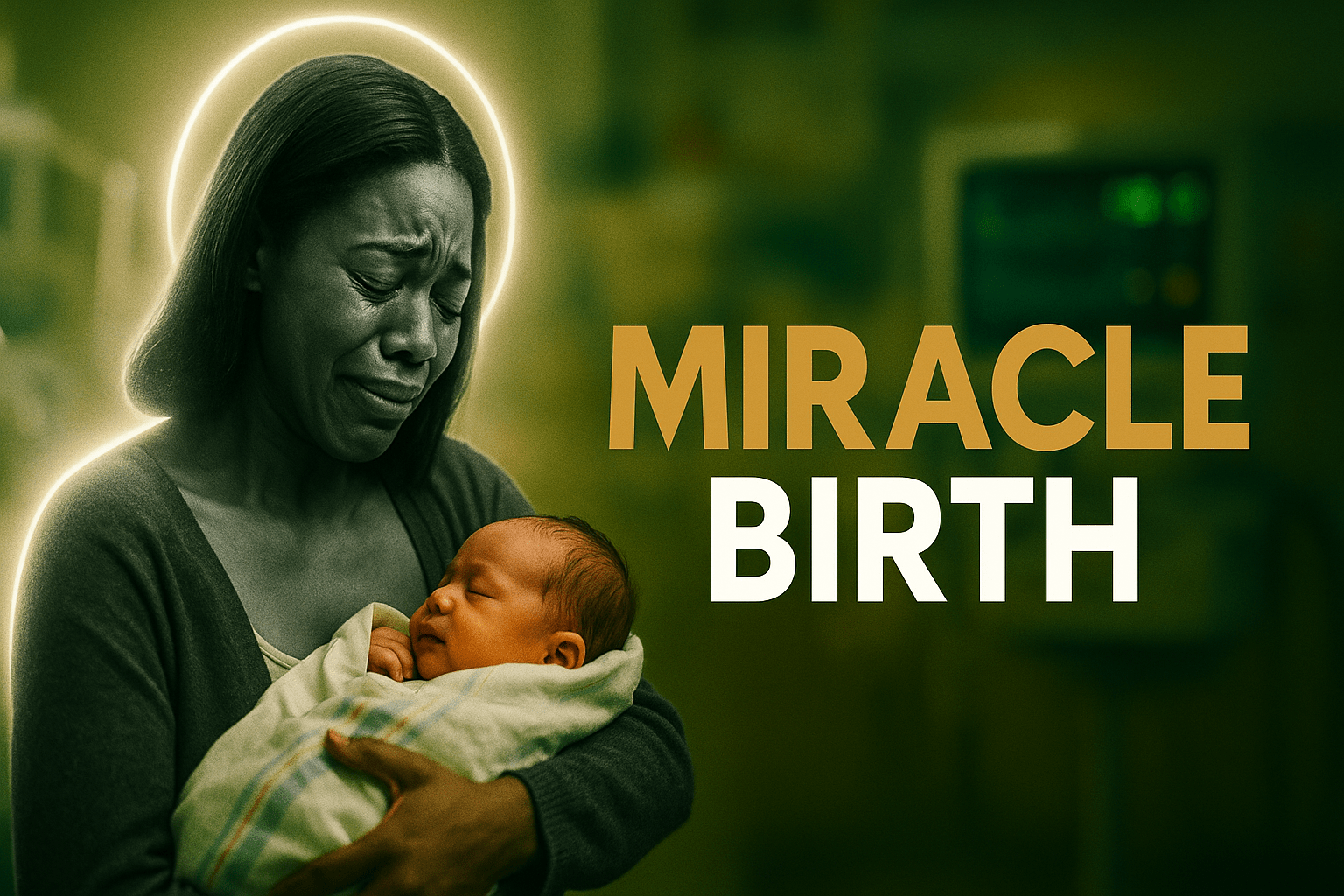
The story of Adriana Smith, a Georgia nurse, presents a profound moment in medical and ethical considerations, especially within the context of Black maternal health. Diagnosed as brain-dead, Adriana was maintained on life support for nearly four months. She recently turned 31 years old. Her journey culminated in the birth of her premature son, Chance, on June 13, 2025, a delivery that occurred via emergency C-section. This rare medical event took place at Emory Hospital Midtown in Atlanta (BMJ; 11Alive; Black America Web).
Baby Chance weighed 1 pound, 13 ounces at birth, a common weight for infants born prematurely. Following his delivery, he was immediately placed in the neonatal intensive care unit, known as the NICU, to receive specialized care (11Alive). Adriana’s case highlights the complex interplay between medical technology, legal frameworks, and deeply personal family decisions. There was an expectation that she would be taken off life support on June 17, 2025 (BMJ).
Understanding Brain Death Criteria
Brain death represents the complete and irreversible cessation of all brain functions, including those of the brainstem. The brainstem is vitally important because it controls essential life-sustaining actions like breathing and heartbeat (StatPearls – NCBI Bookshelf; NHS). Diagnosing brain death involves rigorous clinical assessments conducted by multiple medical professionals. These assessments specifically look for the absence of brain activity. They often include detailed neurological examinations that test for the loss of brainstem reflexes, such as pupillary response and the gag reflex. This process critically determines whether a person can breathe without the assistance of a ventilator (Neurology.org).
Confirmatory tests may supplement these clinical evaluations. For instance, an electroencephalogram, or EEG, can measure electrical activity in the brain to confirm a lack of function. Additionally, cerebral blood flow scans might be performed to check for blood circulation within the brain (Wikipedia). The criteria for brain death are standardized to ensure accuracy and to provide a clear medical and legal definition. In Adriana Smith’s case, her being kept on life support despite brain death was notably influenced by Georgia’s laws related to abortion and personhood, emphasizing the legal implications of this medical condition (BMJ).
Georgia’s Personhood Laws and Their Impact
Georgia’s personhood laws are legal statutes that grant legal rights to fetuses, often defining them as persons from conception or early stages of development. These laws have a significant impact on medical decisions during pregnancy. In cases like Adriana Smith’s, they can influence the continuation of life support for a pregnant individual, even after a diagnosis of brain death (BMJ). The overarching goal of these laws is to protect fetal life, and this protection can legally mandate that medical interventions continue.
These personhood laws are deeply controversial. They restrict abortion access, and they shape critical decisions, such as those involving life support. Their direct consequence is a shift in the balance of rights, often prioritizing the fetus. This legal framework forces complex ethical and practical dilemmas for medical teams and families alike. For African American women, such laws can intersect with existing healthcare disparities, potentially compounding challenges related to maternal care and reproductive autonomy. The legal mandate to sustain a pregnancy, regardless of the patient’s condition, places an extraordinary burden on individuals and families.
Adriana Smith’s Case: Key Details
The Emergency C-Section and Its Ethical Layers
Performing an emergency C-section on a brain-dead patient, such as Adriana Smith, is a procedure undertaken with a singular purpose: to preserve the life of the fetus. This medical intervention is considered a necessity when the mother cannot provide consent. It underscores a profound ethical challenge. The procedure requires balancing the rights and interests of the brain-dead mother against the developing life of her unborn child (BMJ).
The ethical considerations extend beyond the immediate medical act. The decision-making process involves the medical team, legal advisors, and, crucially, the family. They must navigate complex legal frameworks, especially those influenced by personhood laws, while striving to uphold both the mother’s dignity and the fetus’s chance at life. This situation is particularly sensitive when considering the historical context of medical exploitation and disparities faced by African American women in healthcare. The application of such procedures demands the highest ethical scrutiny. It also requires transparent communication with the family.
Vital Care in the Neonatal Intensive Care Unit
Premature babies, like baby Chance, require specialized and intensive care within the Neonatal Intensive Care Unit, or NICU. The primary focus of NICU care is to support the baby’s fundamental needs and to address any complications directly arising from their prematurity. This care often includes respiratory support, such as oxygen therapy, to help underdeveloped lungs. Nutritional support is also crucial, sometimes provided through intravenous feeding or specialized formulas, to ensure proper growth and development (11Alive).
Constant monitoring of vital signs, including heart rate, breathing, and temperature, is a standard component of NICU protocols. Babies born under unusual medical circumstances, such as those from a brain-dead mother, may face additional challenges due to their unique gestational age and the conditions surrounding their birth. The medical risks for neonates born prematurely include respiratory distress, difficulties with feeding, and potential developmental issues later in life. The prognosis for these infants heavily depends on their gestational age at birth, their initial birth weight, and the quality of the specialized NICU care they receive.
What Is Brain Death?
Brain death means the permanent loss of all brain and brainstem functions. This includes the ability to breathe, regulate heart rate, and respond to stimuli. It is a definitive medical diagnosis.
Medical professionals conduct thorough neurological exams, looking for absent reflexes and the inability to breathe independently. These assessments are critical for an accurate determination.
In some cases, additional tests, such as EEGs or blood flow scans, may be used. These tests provide further evidence for the complete lack of brain activity, supporting the clinical diagnosis.
Policy Context and Disparities in Health
Georgia’s legal landscape, particularly its personhood laws, played a central role in the decision to continue life support for Adriana Smith. These laws essentially mandate the protection of fetal life, even in the severe circumstance of maternal brain death. Medical necessity aligns with these legal frameworks to prioritize the well-being of the unborn child. This policy context significantly shapes medical decisions for all pregnant individuals in the state. Such policies can have a profound and disproportionate effect on Black communities.
African American women already face higher maternal mortality rates and numerous healthcare disparities compared to other racial groups. These disparities include unequal access to quality healthcare, implicit bias from medical providers, and systemic issues that prevent equitable treatment. When personhood laws intersect with these existing disparities, they can lead to outcomes that further disadvantage Black women. These legal and medical decisions can influence access to comprehensive care, as well as the balance between individual autonomy and state-mandated interventions in pregnancy. The intersection of race, law, and healthcare warrants continuous examination.
Legal Rights and Patient Autonomy
The handling of a brain-dead patient’s rights becomes particularly complex when pregnancy is involved. In Georgia, as exemplified by Adriana Smith’s case, laws often prioritize fetal rights over the brain-dead patient’s wishes. This prioritization can raise significant ethical questions about the balance between preserving prenatal life and respecting an individual’s autonomy. Legal frameworks, especially those influenced by personhood laws, may, in effect, mandate decisions that override previous direct or implied patient desires (BMJ).
Medical ethics boards, while not explicitly mentioned as being involved in Adriana’s case, typically play a vital role in guiding complex medical decisions. These boards provide ethical guidance for navigating dilemmas where patient rights, medical best practices, and legal mandates converge. Such cases highlight the need for ongoing discussion regarding the legal rights of individuals who cannot express their will. They also emphasize the importance of clear advance directives in healthcare. The historical context of medical interventions and legal impositions, especially on Black women, adds another layer of complexity to these already difficult situations.
Impact of Personhood Laws on Pregnant Patients
Personhood laws grant legal rights to fetuses, often equating them with born individuals. This can mandate continuation of life support for a brain-dead pregnant patient, prioritizing the fetus’s legal status.
These laws inherently restrict abortion access by legally protecting fetal life from early stages. This impacts reproductive autonomy and healthcare options for pregnant individuals.
Due to existing healthcare disparities and systemic racism, personhood laws can disproportionately affect African American women. These laws influence access to reproductive healthcare and critical medical decisions.
Family Involvement and the Neonate’s Future
While specific details about the family’s involvement in Adriana Smith’s case are not widely available, families typically play a crucial role in medical decision-making for patients who cannot express their own wishes. They engage in discussions with medical teams and legal advisors to navigate these difficult circumstances. Their decisions often stem from deep love, a desire to honor their loved one, and considerations for the unborn child. The emotional and psychological toll on families facing such a situation is immense.
The long-term health implications for a baby born prematurely, especially from a brain-dead mother, are varied. These outcomes depend heavily on several critical factors, including the baby’s gestational age at birth, their initial birth weight, and the comprehensive quality of the care they receive in the NICU. Premature birth can lead to potential developmental and health challenges that may extend throughout childhood and into adulthood. However, advancements in modern NICU care have significantly improved survival rates for premature infants. This comprehensive care allows for better developmental outcomes, though ongoing specialized medical support may be necessary.
ABOUT THE AUTHOR
Darius Spearman has been a professor of Black Studies at San Diego City College since 2007. He is the author of several books, including Between The Color Lines: A History of African Americans on the California Frontier Through 1890. You can visit Darius online at africanelements.org.
