
Listen & Share
Adriana Suazo: Understanding a Mysterious Death
By Darius Spearman (africanelements)
Support African Elements at patreon.com/africanelements and hear recent news in a single playlist. Additionally, you can gain early access to ad-free video content.
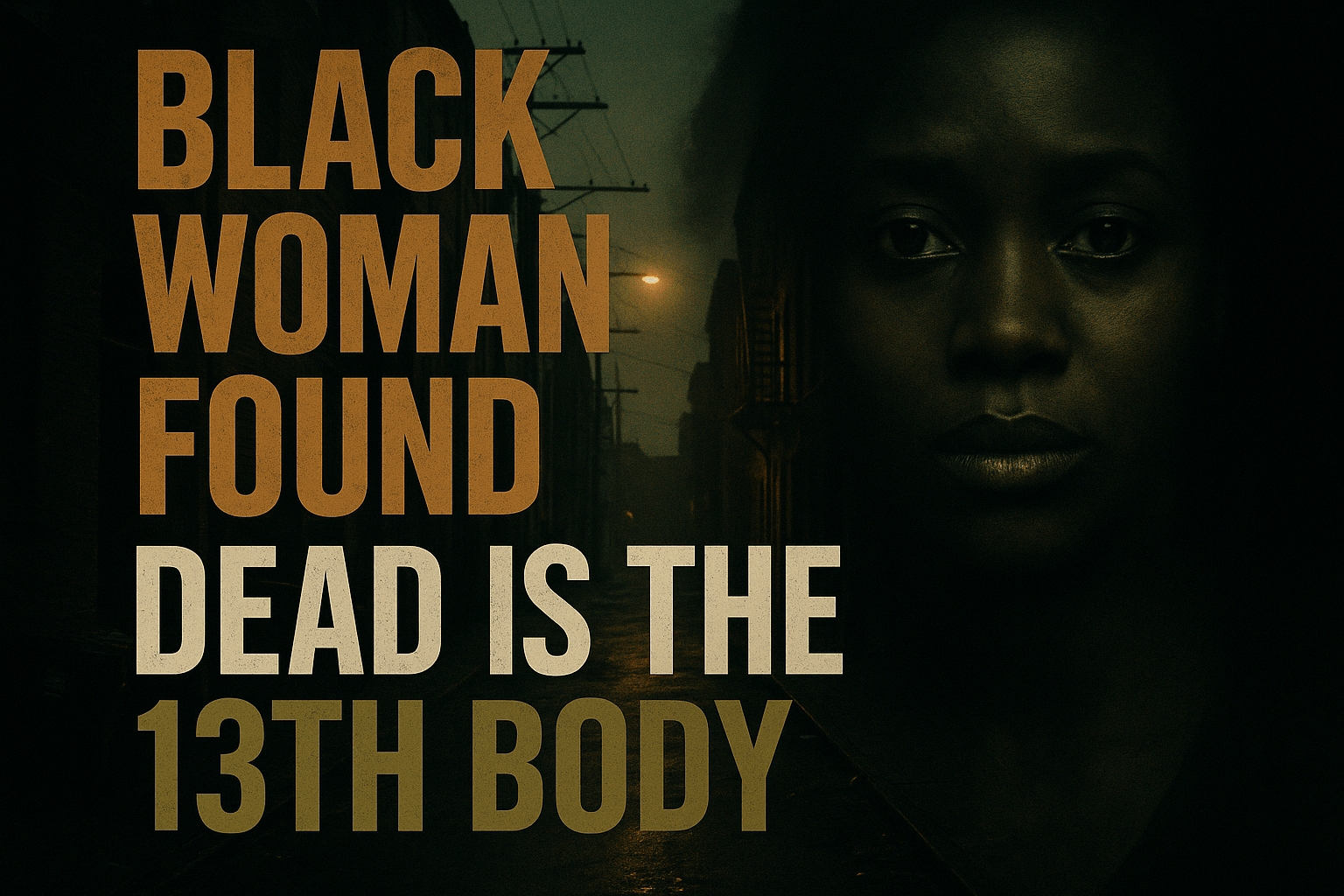
The somber discovery of Adriana Suazo’s body in a tranquil Milton, Massachusetts, wooded area has sent shockwaves through communities across New England. Her untimely death, found on June 1, 2025, sparked immediate questions and deepened fears of a potential serial killer. Adriana, a 21-year-old African American woman hailing from Boston, was discovered by a passerby near 143 Central Avenue around 11:45 a.m. (Black Woman Found Dead is the 13th Body Found in the New England States, Police Fear It’s a Serial Killer). This incident is not isolated; it marks the thirteenth body found in New England since March 2025, unsettling many within the region.
Her passing has opened a wider conversation about the safety of our communities, especially for Black women and others that may feel overlooked. People are seeking answers about why such tragedies continue to occur and what steps are being taken to protect vulnerable populations. The narrative of Adriana’s death is a stark reminder of ongoing investigations and the importance of supporting families seeking justice and closure.
Adriana’s Tragic Discovery
Adriana Suazo’s family remains puzzled and heartbroken by her death. They voice profound confusion about her presence in Milton, as she had no known ties to the area (Family seeking answers after 21-year-old found dead in Milton woods). This lack of connection to the scene where her body was found raises concerns that she may have been brought there by someone else. The fact that the body showed no obvious signs of trauma has only added to the mystery surrounding her death (New England serial killer fears stoked by 13th body found in small town).
Her family’s poignant plea for answers underscores the uncertainty surrounding this case. The Office of the Chief Medical Examiner is actively investigating the cause of her death. This important government agency is responsible for determining the cause and manner of deaths that fall under its jurisdiction, including suspicious or unexplained cases. They often conduct forensic investigations and autopsies, working closely with law enforcement.
Escalating Serial Killer Fears
Adriana Suazo’s death is deeply concerning, especially when viewed against a pattern of mysterious discoveries. At least 13 bodies have been found across Massachusetts, Connecticut, Rhode Island, and Maine since March 2025 (Black Woman Found Dead is the 13th Body Found in the New England States, Police Fear It’s a Serial Killer). These chilling discoveries have fueled speculation and fear within the public about a potential serial killer operating in the region.
A “serial killer” generally refers to an individual who commits three or more murders over a period of time, with each killing occurring in separate events (Serial killer – Wikipedia). These murders are not simultaneous. There is often a “cooling-down” period between them (How to Spot a Serial Killer: History of Serial Killers – Research Guides). The definition of serial murder also emphasizes “forensically linked murders committed by the same person(s) over an extended period of time” (Serial Murder Definitions and Conceptualization – Petherick et al). Law enforcement agencies work to establish “forensic links” through evidence like DNA, fingerprints, or unique crime scene details that connect incidents to a single perpetrator. As of now, police have not found definitive forensic links between the reported 13 cases, but the pattern of discoveries remains alarming.
Mysterious Deaths Across New England Visual
This visualization highlights the number of bodies found and the states affected within the New England region. Source: Black Woman Found Dead is the 13th Body Found in the New England States & Fox News
The discovered bodies have often been found in remote or wooded areas (Black Woman Found Dead is the 13th Body Found in the New England States, Police Fear It’s a Serial Killer). Such locations are often chosen by offenders for body disposal because they offer decreased risk of discovery and lower likelihood of public surveillance. These remote settings can also complicate investigations by delaying discovery. This pattern might indicate a deliberate effort by a perpetrator to avoid detection.
Community Response and Support
In the wake of Adriana’s tragic death, the community has rallied to offer support and seek justice. A vigil was held near the site where her body was found, a space for people to honor her memory (New England serial killer fears stoked by 13th body found in small town). Vigils are common responses to violence or loss, providing a vital space for grieving, solidarity, and calls for justice. These gatherings often unite communities and amplify public concern, thereby raising awareness.
Furthermore, Adriana’s sister initiated a GoFundMe campaign to assist with funeral expenses (Black Woman Found Dead is the 13th Body Found in the New England States, Police Fear It’s a Serial Killer). GoFundMe is a crowdfunding platform allowing individuals to raise money for various needs, including supporting families affected by tragedy. These campaigns are widely used to provide crucial financial support and to raise awareness about social justice issues. They serve to bring communities together, memorialize victims, and advocate for change. The active involvement of the community underscores the deep impact of these mysterious deaths.
Understanding Key Terms
Serial Killer
A “serial killer” refers to a person who murders three or more people over a period of time, with each killing occurring in separate events rather than in a single spree or mass event (Serial killer – Wikipedia). There is typically a “cooling-down” period between incidents, and the acts are often driven by psychological gratification (How to Spot a Serial Killer: History of Serial Killers – Research Guides).
Forensic Links
A “forensic link” refers to evidence that connects multiple crimes to a single perpetrator or cause. This can include DNA, fingerprints, tool marks, specific weapon residue, or unique crime scene details that bridge different incidents (Serial Murder Definitions and Conceptualization – Petherick et al). Establishing these links is a key process in investigating serial crimes, helping law enforcement identify patterns and potential suspects.
Definitions compiled from various academic and journalistic sources.
The Intersectional Impact
Adriana Suazo was an African American woman from Boston (Black Woman Found Dead is the 13th Body Found in the New England States, Police Fear It’s a Serial Killer). This fact highlights questions about potential racial disparities in victimology and how investigations and media portrayals unfold. It is crucial to examine if these mysterious deaths are disproportionately affecting Black communities or other underrepresented groups. Understanding this aspect is important for ensuring equitable justice and public awareness for all.
The focus on Adriana’s ethnicity also prompts deeper reflection on how race can influence the attention a case receives and the resources allocated to its investigation. Concerns exist within Black communities about whether their cases receive the same diligence and urgency as those involving other demographics. This consideration is vital for addressing systemic issues and building trust between communities and law enforcement agencies. Moving forward, a complete picture of victim demographics is needed to fully assess any racial or social patterns behind these tragic events.
Adriana Suazo: Key Facts
Unanswered Questions and Future Steps
The circumstances surrounding Adriana Suazo’s death and the broader pattern of mysterious bodies in New England highlight many critical unanswered questions. The community awaits updates on the official cause of death for Adriana, the lack of which can heighten public anxiety. Transparency regarding investigative progress, leads pursued, and potential connections among the cases is vital for public understanding and trust. Further information about the other 12 victims, their backgrounds, and the specific circumstances of their deaths would allow for a more thorough analysis of the alleged pattern. This information could reveal vital demographic or behavioral similarities among victims.
Furthermore, it is important to understand how law enforcement agencies across Massachusetts, Connecticut, Rhode Island, and Maine are collaborating. Effective serial crime investigations often require interjurisdictional cooperation, potentially through regional task forces. Public safety measures implemented by authorities to prevent further incidents are also of great concern. These proactive steps can help protect communities and alleviate widespread fear. The ongoing nature of these investigations means that communities must remain engaged, advocating for answers and justice for Adriana and all those affected by these tragic events.
ABOUT THE AUTHOR
Darius Spearman has been a professor of Black Studies at San Diego City College since 2007. He is the author of several books, including Between The Color Lines: A History of African Americans on the California Frontier Through 1890. You can visit Darius online at africanelements.org.
