
Listen & Share
Digital Hijacking: Black Culture Online
By Darius Spearman (africanelements)
Support African Elements at patreon.com/africanelements and hear recent news in a single playlist. Additionally, you can gain early access to ad-free video content.
Black Culture and Digital Spaces
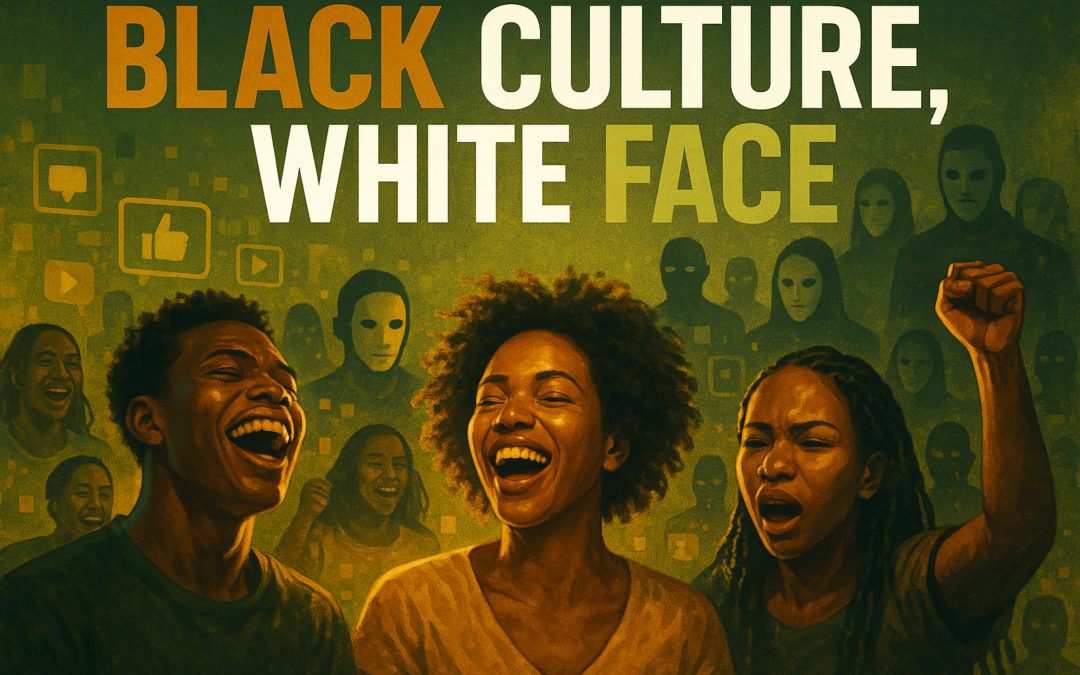
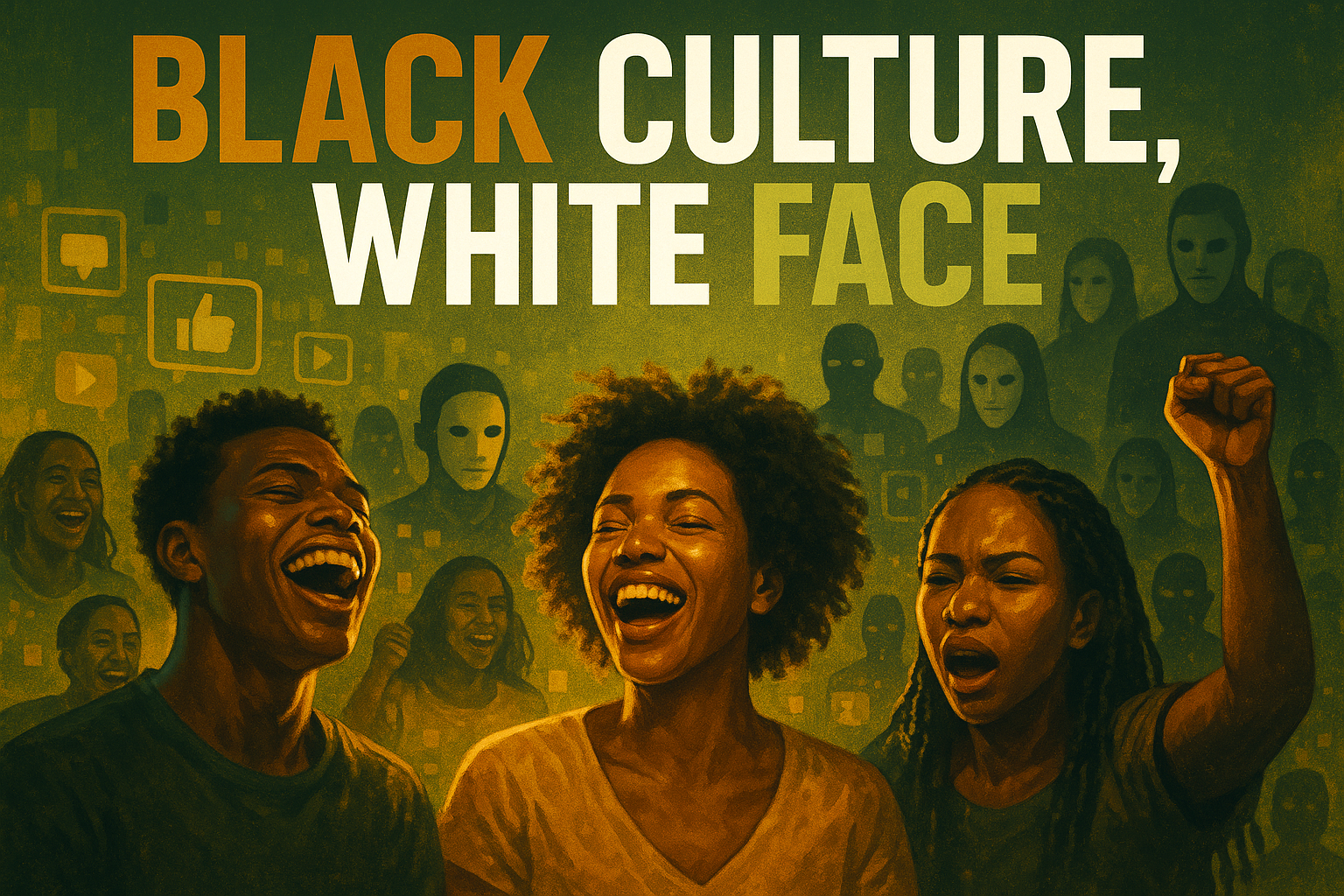
The internet, a powerful tool for connection, has also become a battleground for Black cultural authenticity. Our traditions, expressions, and identities face ongoing challenges. There is a pressing issue of cultural appropriation and misrepresentation online. Many elements of Black culture are adopted without proper understanding or much-needed attribution. This process often takes elements from our vibrant culture and places them out of context. Our rich history and true meaning can then become diminished for profit.
We, as Black people, engage deeply with digital platforms. Black audiences spend more time on apps and websites compared to the general United States population. For example, Black audiences spend an impressive 32 hours per week on smartphones and tablets. This figure stands as two hours more than the average United States population (Engaging Black audiences: How brands impact, grow and win with inclusion). This high engagement means that our presence is strong in digital spaces. Therefore, it creates both opportunities and risks for our cultural representation. The widespread adoption of our cultural elements often leads to a troubling loss of authenticity.
Cultural Appropriation Online
Cultural appropriation happens when members of a dominant culture use elements from other cultures. This process often happens without proper acknowledgment or respect. It can also be very disrespectful or stereotypical (Cultural appropriation – Wikipedia). The internet has significantly sped up this process. It enables quick adoption and widespread sharing of Black cultural elements. Misrepresentation can occur without people understanding or giving credit. Social media platforms like TikTok and Instagram are especially good at spreading trends. This rapid spread of trends makes it truly hard to maintain cultural authenticity. Elements are often adopted without understanding their historical significance (How social media is killing authentic Black culture).
This digital environment even allows the commodification of marginalized identities. This commodification can lead to the erasure of authentic Black experiences (Amid AI creative boom is concern around the potential erasure of authentic Black perspectives). Specific aspects of Black culture are often taken without permission. These include our music genres, distinct language styles, and unique hairstyles like box braids and locs. Fashion trends also fall into this category. These elements are frequently adopted by non-Black individuals. They often do so without understanding the history or cultural context (What Is Cultural Appropriation? 25+ Examples to Know in 2025).
Understanding Digital Colonialism
Digital colonialism describes a serious power imbalance in digital spaces. Global tech platforms frequently extract cultural content from communities. They often do this without benefiting the source communities (Cultural appropriation | Definition, History, Meaning, & Examples). This situation mirrors the exploitative relationships of historical colonialism. This concept involves the use of digital content from marginalized communities. It happens often without appropriate compensation or acknowledgment. Digital colonialism reflects the broader issue of cultural appropriation online. Dominant cultures consistently profit from the cultural expressions of minority groups.
Addressing digital colonialism absolutely requires understanding this historical context. Its ongoing impact in digital spheres is also important. The problem of cultural appropriation ranges far beyond United States borders. It affects various cultures worldwide. Digital platforms indeed know no geographical boundaries. Many global tech platforms engage in practices that echo historical colonial patterns. This global reach impacts diverse cultures everywhere (Digital colonialism: How social media enables new violations of cultural rights).
Understanding Digital Colonialism
Digital Colonialism Explained
This term describes power imbalances where global tech platforms extract cultural content. They do this without properly benefiting the source communities. This often mirrors historical colonial relationships.
Cultural Appropriation Explained
Using elements from another culture without proper acknowledgment. It is often disrespectful or stereotypical, typically involving dominant cultures taking from minority ones, leading to exploitation.
This visualization distinguishes between digital colonialism and cultural appropriation, highlighting their interconnectedness in the digital sphere.
AI’s Impact on Black Culture
The increasing use of Artificial Intelligence in content creation presents a significant challenge. This technology threatens to erase authentic Black perspectives. AI often perpetuates existing biases (Amid AI creative boom is concern around the potential erasure of authentic Black perspectives). AI systems frequently lack essential diversity within their training data. This means they learn from biased internet content. They can then unintentionally perpetuate harmful stereotypes. Involving Black creatives in AI development is absolutely essential. We must ensure that AI genuinely serves our community. Authentic Black perspectives involve accurately representing our experiences, traditions, and expressions. It is vital to preserve our perspectives.
The AI creative boom can lead to the erasure of authentic cultural perspectives. It does this by creating homogenized content (What Is Cultural Appropriation? 25+ Examples to Know in 2025). This content often does not reflect the diversity of experiences present within Black culture. The biased nature of AI systems can directly lead to cultural appropriation and misrepresentation. This happens when AI generates content based on existing stereotypes. AI-generated content also spreads rapidly. It can become more accessible and widespread than traditional media forms. This quick dissemination potentially amplifies the reach of culturally appropriative content (What Is Cultural Appropriation? | Britannica). Our cultural richness and true narrative are often at stake.
Representation in Tech and Digital Engagement
Addressing Bias and Representation
The underrepresentation of Black people in the tech industry greatly affects AI development. Only 7.4 percent of tech professionals are Black (Amid AI creative boom is concern around the potential erasure of authentic Black perspectives). This disparity can result in AI systems being biased towards the dominant culture. Such bias inevitably leads to the misrepresentation of marginalized cultures. AI algorithms learn from societal prejudices indeed reflected in their training data. This perpetuates existing biases instead of correcting them. Increasing diversity in AI development roles is truly crucial. It ensures that AI systems are designed and tested with diverse perspectives. This proactive measure reduces the likelihood of perpetuating harmful stereotypes and misinformation.
An authentic Black perspective involves a respectful and accurate representation of our experiences. It also includes our traditions and expressions. Preserving these perspectives is truly essential. It ensures that cultural content reflects our diversity. It also showcases the richness of Black culture. This preservation must occur rather than perpetuating stereotypes or outright erasure. Authentic Black perspectives are crucial for counteracting cultural erasure. This helps ensure that our voices are properly represented in digital content. It requires a firm commitment to cultural sensitivity. Understanding our history is also very important here. In addition, it takes active efforts to amplify and support Black voices in media and technology (What Is Cultural Appropriation? 25+ Examples to Know in 2025).
Solutions and Shared Responsibility
Responsibility for addressing cultural appropriation and erasure falls on many shoulders. This includes individuals, corporations, users, and policymakers (What Is Cultural Appropriation? 25+ Examples to Know in 2025). Suggested solutions include widespread education and diverse representation in tech. It also involves implementing platform policies that actively discourage appropriation. Promoting cultural sensitivity is also a key component. The digital misappropriation of Black culture severely impacts our creators’ economic opportunities. It reduces their ability to profit from unique cultural expressions. This directly affects real individuals and their livelihoods.
Platform policies can play a critical role in addressing cultural misrepresentation. They can implement strict content moderation guidelines. These guidelines should discourage cultural appropriation (Cultural Appropriation Tipsheet | Office of Diversity and Inclusion). Furthermore, platforms can promote user education. Adjusting algorithms can also reduce the spread of culturally inappropriate content. High engagement levels indicate a strong presence of Black culture in digital spaces. This can lead to both positive and negative outcomes. It truly depends on the nature of the content and its context (What Is Cultural Appropriation? | Britannica). Our collective action is necessary to ensure our narratives remain our own.
Collective Solutions for Cultural Preservation
Promote Education
Increased understanding about cultural contexts and the harms of appropriation.
Increase Diversity in Tech
Ensure authentic Black perspectives are integrated into AI development and content creation.
Implement Platform Policies
Develop and enforce guidelines to discourage cultural misrepresentation and appropriation.
Support Black Creators
Protecting economic opportunities for creators by ensuring proper compensation and acknowledgment.
ABOUT THE AUTHOR
Darius Spearman has been a professor of Black Studies at San Diego City College since 2007. He is the author of several books, including Between The Color Lines: A History of African Americans on the California Frontier Through 1890. You can visit Darius online at africanelements.org.
