

Chad Crisis: Sudanese Refugees, 2025 Impact & Response
By Darius Spearman (africanelements)
Support African Elements at patreon.com/africanelements and hear recent news in a single playlist. Additionally, you can gain early access to ad-free video content.
Sudanese Refugees Chad: A Deepening Humanitarian Crisis
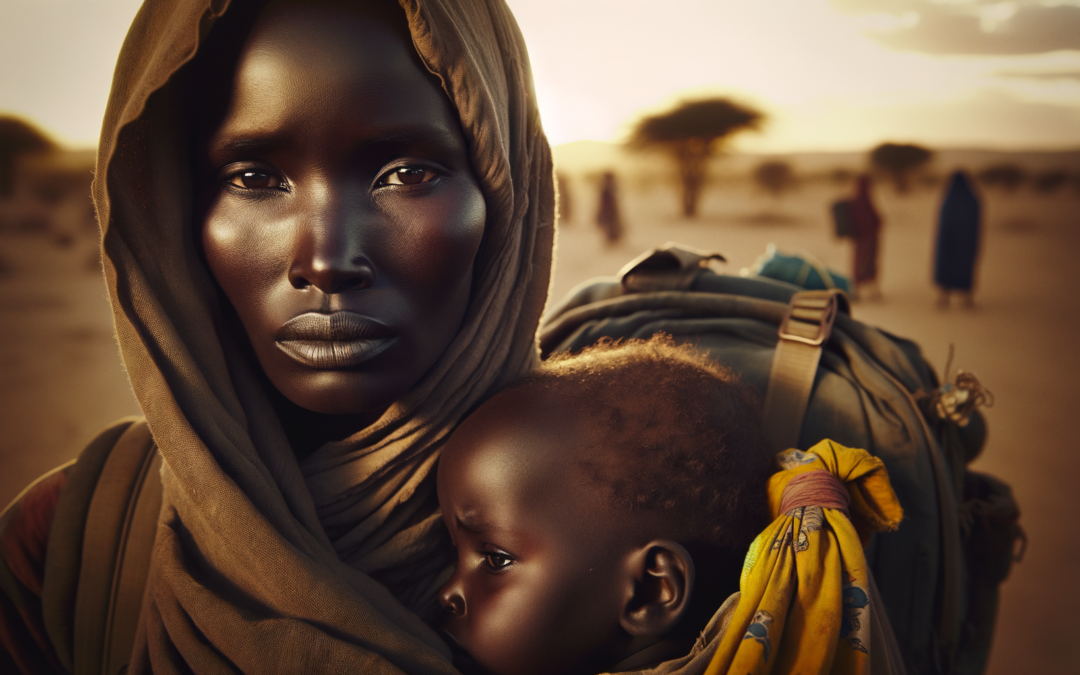
The year 2025 has brought a heartbreaking surge in the number of our Sudanese brothers and sisters seeking refuge in neighboring Chad. Escalating violence, particularly in the Darfur region of Sudan, is driving this mass exodus. This situation is not just a statistic; it’s a profound human tragedy unfolding on African soil, demanding our attention and compassion. The stories emerging paint a grim picture of suffering and resilience.
The Unfolding Tragedy: Sudanese Refugees in Chad Seek Safety
The influx of Sudanese refugees into Chad has reached alarming levels, especially in 2025. This dramatic increase is primarily due to the escalating violence in Darfur, a region historically scarred by conflict. For instance, over 20,000 refugees, mostly women and children, crossed into Chad in May 2025 alone, fleeing terrifying attacks in North Darfur (UNHCR warns of soaring needs amid Sudanese influx to Chad from Darfur). These are not just numbers; they represent families torn apart and lives irrevocably changed by brutality.
The immediate triggers for this mass exodus include horrific bombings in El Fasher, the administrative heart of North Darfur, and attacks on the Zamzam displacement camp. Survivors bring with them harrowing accounts of widespread violence. They speak of sexual abuse, property destruction, and the loss of loved ones, painting a picture of unimaginable terror (New wave of Sudanese refugees flee into neighbouring Chad). Consequently, Chad now finds itself hosting approximately 1.3 million refugees. This staggering figure includes 794,000 Sudanese who have arrived since the devastating civil war reignited in April 2023 (UNHCR CHAD| Influx of Refugees from Sudan (as of 04 May 2025)). The weight of this crisis falls heavily on a nation already facing its own challenges.
Sudanese Refugee Influx into Chad: Startling Figures
Extreme Vulnerabilities in the Chad Refugee Crisis 2025
Our people arriving in Chad face unimaginable horrors and extreme vulnerabilities. A shocking 76% of new arrivals have experienced “protection incidents” during their desperate escape (UNHCR warns of soaring needs amid Sudanese influx to Chad from Darfur). These incidents include gender-based violence, child abduction, trafficking, and exploitation – risks tragically heightened in the chaos of displacement and overcrowded conditions (UNHCR – Zamzam Camp Reports). This term, “protection incidents,” often sanitizes the brutal reality of sexual abuse faced by women and children, particularly in camps like Zamzam.
Many refugees arrive with absolutely nothing, having lost all their belongings. Children, the most innocent victims, often show signs of severe malnutrition. Furthermore, pregnant women and elderly individuals face even greater risks, their resilience tested to the extreme (New wave of Sudanese refugees flee into neighbouring Chad). The demographic profile of the displaced is heart-wrenching: 88% are women and children (IRC warns of escalating humanitarian needs in eastern Chad). Reports of families being separated during chaotic escapes add another layer of trauma to their already unbearable suffering. The International Rescue Committee (IRC) highlights these gender-specific needs, providing vital support like healthcare and psychosocial services (IRC – Chad Refugee Response).
Refugee Vulnerabilities: A Stark Reality
Strained Capacity: Darfur Conflict Displacement Overwhelms Chad
Chad’s humanitarian response system is buckling under the immense pressure of the Darfur conflict displacement. A critical shortfall in funding cripples aid delivery efforts. Shockingly, only 20% of the $409 million required for Chad’s 2025 refugee response has been secured (UNHCR warns of soaring needs amid Sudanese influx to Chad from Darfur). This plan, spearheaded by the United Nations High Commissioner for Refugees (UNHCR), is vital for providing basic necessities like shelter, food, and medical care (UNHCR – Chad Refugee Appeal). The lack of funds directly translates into increased suffering for people who have already lost so much.
This funding crisis is not new; the Humanitarian Response Plan for Eastern Chad was only 27% funded as of October 2024, further exacerbating resource gaps (IRC warns of escalating humanitarian needs in eastern Chad). Consequently, efforts to move refugees from dangerous border areas to safer, more established camps are severely hampered. For example, humanitarian convoys have managed to relocate fewer than 2,000 refugees to safer sites, a number far below the massive scale of need (UNHCR CHAD| Influx of Refugees from Sudan (as of 04 May 2025)). Security threats against aid workers and poor infrastructure in remote areas like eastern Chad further complicate these life-saving operations (UN News – Aid Access Challenges).
Urgent Need: Funding for Chad’s Refugee Response (2025)
Chad’s Burden: Low HDI and Humanitarian Aid Funding Strain
The long-term presence of refugees places an immense strain on Chad’s already fragile resources. The eastern provinces of Ouaddai, Sila, Ennedi Est, and Wadi Fira, which host the majority of refugees, are among the most deprived regions in the country (Eastern Chad Crisis: Cost of Inaction. April 2025). These are communities that were struggling even before this latest influx. Local populations, our Chadian brothers and sisters, now face increased competition for scarce resources like water, food, and healthcare (Host Community Strain in Chad). Aid agencies try to mitigate this by allocating some resources to host communities, but the need is overwhelming.
Among the refugees are over 570,000 children, a staggering number that puts enormous pressure on already weak education and health systems (Eastern Chad Crisis: Cost of Inaction. April 2025). Compounding these challenges, Chad ranks 190th out of 191 countries on the Human Development Index (HDI) (Chad | The IRC). This low HDI score reflects severe underdevelopment in education, healthcare, and income, severely limiting the nation’s capacity to absorb such a massive refugee population and support its own citizens (UNDP – Human Development Index 2023). Therefore, the lack of humanitarian aid Chad funding is not just an abstract problem; it has direct, life-altering consequences for both refugees and their Chadian hosts.
Echoes of History: El Fasher Violence, Refugees & Darfur’s Shadow
The current crisis is tragically not an isolated event but part of a long, painful history of displacement linked to the Darfur conflict. Darfur, a war-torn region in western Sudan, has been a source of instability and suffering since 2003, displacing millions (UNHCR – Sudan: Darfur Crisis). Indeed, Chad has hosted Sudanese refugees from Darfur since that initial war, with 400,000 still residing in camps even before the 2023 conflict erupted (Eastern Chad Crisis: Cost of Inaction. April 2025). The recent violence in places like El Fasher, a key city in North Darfur, sends fresh waves of traumatized people, particularly El Fasher violence refugees, across the border.
Historically, there was seasonal migration between Sudan and Chad, fostering integrated communities through trade, labor, and family ties. These traditional movements, often dictated by environmental conditions and intercommunal bonds, have been shattered by the war (Sudanese refugees in Chad – Wikipedia). Consequently, ancient routes are now dangerous or impassable, isolating communities and crippling local economies that depended on this cross-border exchange (Migration and Conflict in the Lake Chad Basin). This disruption adds another layer of hardship, as families are cut off from support networks and livelihoods, making the current refugee situation even more dire.
The Global Response: Addressing the Sudanese Refugee Crisis in Chad
The international response to the Sudanese refugee crisis in Chad has, frankly, been insufficient. While organizations like the UNHCR and the IRC are on the ground leading heroic efforts, they are severely under-resourced. The UNHCR, for instance, is tasked with protecting refugees and coordinating aid, but its $409 million plan for Chad in 2025 is only 20% funded (UNHCR warns of soaring needs amid Sudanese influx to Chad from Darfur). This funding gap occurs partly because global attention and resources are often diverted to other major crises, leaving protracted situations like Darfur and its spillover effects chronically underfunded (UNHCR Appeal Urgency).
Major donors like the European Union, which pledged €95 million for regional refugee assistance in 2024 (EU Aid for Sudan Crisis), and the U.S. Agency for International Development (USAID), which prioritizes health and nutrition (USAID – Sudan Regional Response), have provided support. However, the scale of the crisis far outstrips current commitments. Long-term solutions must involve more than just temporary aid. They require robust resettlement programs, conditions for safe and voluntary repatriation to Sudan when peace allows, and regional partnerships focused on development and peacebuilding (UNHCR Durable Solutions Guide). Ultimately, lasting peace in Darfur and Sudan is the only way to truly end this cycle of displacement and suffering for our people.
ABOUT THE AUTHOR
Darius Spearman has been a professor of Black Studies at San Diego City College since 2007. He is the author of several books, including Between The Color Lines: A History of African Americans on the California Frontier Through 1890. You can visit Darius online at africanelements.org.
