
Listen to this article
Download AudioPolice Entry: A Family’s Fight for Justice
By Darius Spearman (africanelements)
Support African Elements at patreon.com/africanelements and hear recent news in a single playlist. Additionally, you can gain early access to ad-free video content.
MPD Home Entry: Dobbins’ Story
The sanctity of home is a deeply cherished principle, especially within our community where “home” often signifies a sanctuary from a world that isn’t always welcoming. When that sanctuary is breached, particularly by those sworn to protect, the foundations of trust can crumble. The recent incident involving Ebony Dobbins and the Minneapolis police is a stark reminder of the tensions and questions that continue to surround police conduct and our rights. Therefore, understanding the details and the broader context is crucial for all of us.
A Knock, Then a Shattered Window: Dobbins’ Ordeal & Police Entry
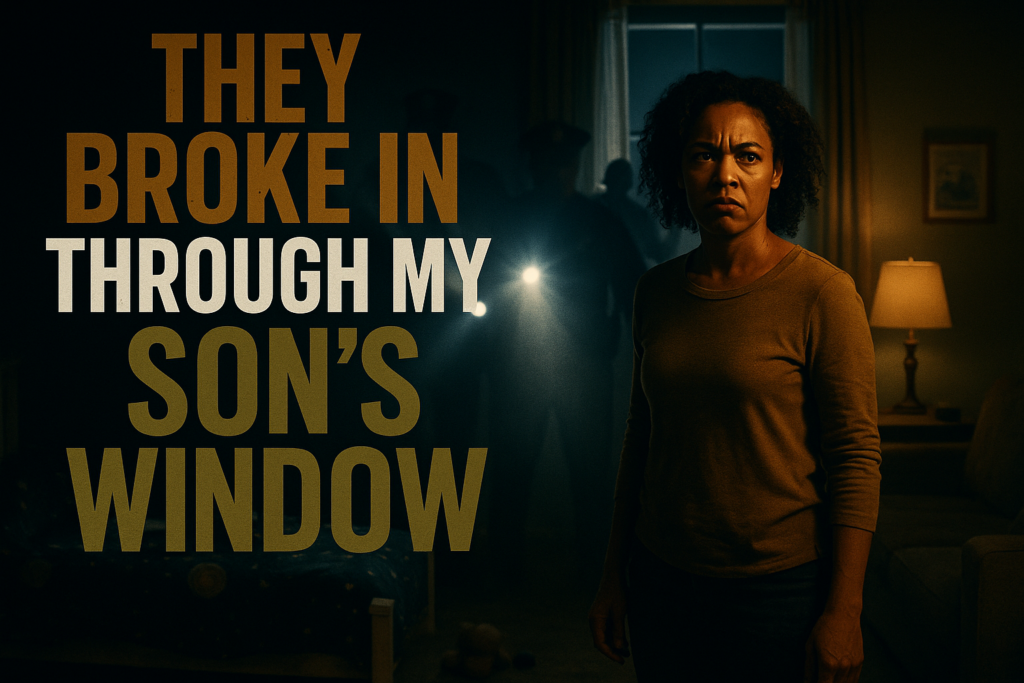
On March 25, 2025, the peace of Ebony Dobbins’ Minneapolis home was shattered. Police officers entered her residence, not through the door, but reportedly through a window. The official reason given for this alarming police entry was a report concerning an uncontrolled, aggressive dog. Furthermore, the officers stated they had attempted to contact occupants for over an hour and observed children inside who appeared unresponsive, citing a need to ensure everyone’s safety (“They Broke In Through My Son’s Window”: Minneapolis Mom …). For Ms. Dobbins and her three young children, who were asleep at the time, this was not a safety check but a terrifying intrusion.
The aftermath of this police entry has been filled with distress and a call for action. Dobbins, along with her supporters, vehemently maintains that the officers’ entry was not only excessive but also illegal. Consequently, they are demanding that the officers involved be fired (“They Broke In Through My Son’s Window”: Minneapolis Mom …). This situation immediately brings to the forefront critical questions about police procedures, justification for forced entry, and the profound impact such actions have on families, especially Black families who have historically faced disproportionate scrutiny and force.
Two Sides to Every Story: Police Entry Claims Clash
In the wake of the incident at Ebony Dobbins’ home, starkly different narratives have emerged regarding the police entry. The Minneapolis police assert they entered calmly and made their presence known. They specifically deny accusations that they entered with weapons drawn, painting a picture of a measured response to a welfare concern (“They Broke In Through My Son’s Window”: Minneapolis Mom …). This official account contrasts sharply with Ms. Dobbins’ experience.
Dobbins, however, challenges this version of events. She contends that officers told her they didn’t check on her children because she was perceived as “too hostile.” Furthermore, she stated that one officer admitted to breaking in through her son’s window (“They Broke In Through My Son’s Window”: Minneapolis Mom …). This discrepancy points to a significant breach of trust and highlights a chasm between the lived experience of a Black mother and the official police report (On March 25, Ebony Dobbins and her three young children were asleep when Minneapolis police officers broke into their home without a warrant). Such conflicting accounts are unfortunately common, leaving communities to grapple with who to believe and how to find truth.
Clashing Accounts: The Dobbins Home Entry
Police Department’s Stated Position
- Claimed to try contact for over an hour.
- Observed unresponsive children inside.
- Entered to ensure everyone’s safety due to an aggressive dog.
- Alleged they entered calmly and announced their presence.
- Denied entering with weapons drawn.
Ebony Dobbins’ Account
- Police broke in through her son’s window.
- Entry was illegal and excessive.
- Officers did not check on her children, citing her as “too hostile.”
- One officer admitted to breaking the window.
- Her family was asleep during the initial entry.
When Can Police Enter Without a Warrant? Exploring Warrantless Entry
The Fourth Amendment to the U.S. Constitution is supposed to protect us from unreasonable searches and seizures. Generally, this means police need a warrant to enter our homes. However, there are exceptions. “Exigent circumstances” is one such exception, often cited in situations like the Dobbins case. These circumstances imply an urgent need, where waiting to get a warrant would lead to danger, evidence destruction, or a suspect escaping (Exceptions to the Fourth Amendment Warrant Requirement). The police claim of an aggressive dog and unresponsive children points to this justification.
For exigent circumstances to truly apply, there must be an immediate risk to safety or a genuine belief that evidence is being destroyed. While an “uncontrolled, aggressive dog” could pose a threat, and “unresponsive children” is certainly alarming, the application of this exception is often debated. It requires a delicate balance between public safety and individual rights. Moreover, the police may enter without a warrant if they have probable cause and a strong reason to believe a suspect is inside, especially for a violent offense (Search and Seizure Warrantless Searches). Understanding these legal nuances is vital when our homes and safety are at stake.
When Can Police Enter Your Home Without a Warrant?
Exigent Circumstances
This is when there’s an immediate, urgent need for police to act without waiting for a warrant. Key situations include:
- Immediate risk to the safety of officers or others.
- Preventing the imminent destruction of evidence.
- “Hot pursuit” of a fleeing suspect.
- Preventing a suspect’s escape.
Other Common Exceptions
Besides urgent situations, police might enter without a warrant if:
- Consent: Someone with authority over the property willingly allows them in.
- Plain View: Officers see illegal items or evidence of a crime from a lawful vantage point.
- Search Incident to Lawful Arrest: A limited search of the person and immediate area during an arrest.
A Pattern of Concern? The Brooklyn Center Connection & Police Tactics
The incident at Ebony Dobbins’ home doesn’t exist in a vacuum. For many in our community, it echoes other unsettling encounters with law enforcement in the Minneapolis area. For instance, there’s the troubling case in nearby Brooklyn Center, where Minneapolis police officers were accused of fabricating a “baby in distress” call to justify breaking into a home. Inside, they didn’t find a baby in peril, but a doll (MPD, Brooklyn Center officers fabricated baby in distress call after …; Suit: Cops peeked into Brooklyn Center home, saw doll, made up baby in distress call and broke in). Brooklyn Center is a close neighbor to Minneapolis, and events there often resonate deeply across the shared community fabric.
This alleged “doll” incident raises serious questions about police tactics and the potential for abuse of power, specifically concerning unlawful searches. If an emergency call is indeed fabricated, it undermines the very legitimacy of the exigent circumstances exception. Such actions, if proven, contribute to a climate of fear and mistrust, particularly when communities already feel over-policed. Therefore, these comparisons are not just incidental; they highlight systemic concerns that demand thorough investigation and transparent accountability to rebuild any semblance of trust.
Questionable Tactics: The Brooklyn Center “Doll” Incident
Seeking Answers and Accountability After Police Entry
In the aftermath of the distressing police entry, Ebony Dobbins and her supporters are not staying silent. Their demand is clear and firm: the firing of the officers involved in the entry into her home (“They Broke In Through My Son’s Window”: Minneapolis Mom …). This call for accountability resonates with many in our community who have witnessed or experienced questionable police actions. It underscores a deep-seated need for justice and a belief that those who overstep their authority must face consequences.
The Minneapolis Police Department (MPD) has stated its position on such matters. According to reports, the MPD emphasizes that any complaints lodged against its officers are subject to an independent investigation through an external process (“They Broke In Through My Son’s Window”: Minneapolis Mom …). Furthermore, the department, under the leadership of Chief Brian O’Hara, professes a commitment to justice and safety (Police Department – City of Minneapolis). While these statements offer a procedural framework, the true test lies in the transparency, thoroughness, and fairness of these investigations, and whether they ultimately lead to meaningful accountability that can begin to mend the fractured trust between the police and the communities they serve.
The Weight of Forced Entry on Our Communities: Impact of Police Tactics
Incidents like the forced police entry into Ebony Dobbins’ home carry a heavy weight, especially for families of color. These events are not isolated; they often tap into a long and painful history of over-policing and systemic racial disparities within law enforcement practices. For our community, a home is more than just shelter; it’s a space of safety, identity, and refuge. Consequently, when that space is violated, the impact is profoundly destabilizing.
Such encounters can exacerbate existing trust issues, fostering a sense of vulnerability and fear rather than security. The feeling that one’s home can be breached, based on contested justifications, erodes the fundamental right to peace and security in one’s own dwelling. Moreover, these individual experiences ripple outwards, reinforcing broader social justice concerns about how policing is conducted in Black neighborhoods. The call for accountability in the Dobbins case is also a call for systemic change, for policing that respects dignity and rights equally for all citizens, thereby ensuring that “to protect and serve” is a reality for everyone, not just a select few.
As the details of Ebony Dobbins’ experience continue to unfold, it serves as a critical moment for reflection and action. The questions raised about police entry, warrantless searches, and accountability are not new, but they demand renewed attention. Our community seeks not only answers but also tangible changes that ensure safety, respect, and justice. Ultimately, the path forward requires open dialogue, transparent investigations, and a genuine commitment from law enforcement agencies to rebuild the trust that is so often and so easily broken.
ABOUT THE AUTHOR
Darius Spearman is a professor of Black Studies at San Diego City College, where he has been teaching since 2007. He is the author of several books, including Between The Color Lines: A History of African Americans on the California Frontier Through 1890. You can visit Darius online at africanelements.org.
