
Listen to this article
Download AudioKeith LaMar: Ohio Death Row Wrongful Conviction Fight
By Darius Spearman (africanelements)
Support African Elements at patreon.com/africanelements and hear recent news in a single playlist. Additionally, you can gain early access to ad-free video content.
Ohio Death Row Injustice Exposed
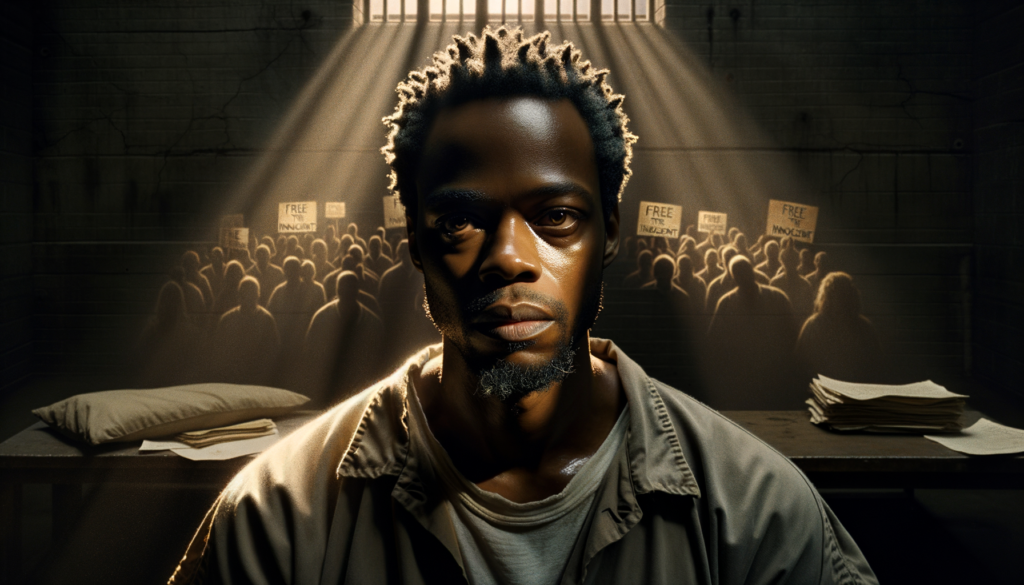
Keith LaMar (also known as Bomani Shakur) has spent over 30 years on Ohio’s death row for crimes he insists he didn’t commit. Convicted for murders during the 1993 Lucasville Prison uprising his case reeks of racial bias and legal gaps. The state initially planned to execute him in November 2023 but pushed the date to January 2027 due to drug shortages (Scalawag Magazine).
Critical flaws plagued his trial. Authorities moved proceedings to a remote predominantly white county where prosecutors dismissed Black jurors systematically. An all-white jury decided his fate despite the prison population being majority Black. This racial math makes LaMar’s conviction statistically predictable in America’s justice system (Keith LaMar Brief Overview).
Three Decades on Death Row: Key Dates
Lucasville Prison Riot Wrongful Conviction
The 1993 Lucasville uprising involved 450 inmates and left 10 dead including guards. Though LaMar wasn’t physically present during the worst violence prosecutors claimed he orchestrated events from another building. They built their case using jailhouse snitches who later admitted to lying for sentence reductions (El País).
Crime scene contamination destroyed crucial evidence. Investigators hosed down bloodstained areas before proper analysis while prosecutors hid exculpatory files for decades. Key witness Anthony Walker switched his story three times yet jurors still took his final version as gospel truth (Solidarity).
Solitary Confinement: By The Numbers
New Evidence Shakes Legal Battle
Recent developments breathed new life into LaMar’s fight. The 2023 podcast The Real Killer exposed how prosecutors paid informants and buried evidence. Investigators found original blood spatter patterns contradicting the state’s story while jailhouse phone logs prove key witnesses lied (Democracy Now!).
Legal teams discovered handwritten notes showing another inmate confessed to murders pinned on LaMar. Prosecutors had these documents since 1995 but locked them away. This bombshell evidence could force Ohio courts to reopen the case despite previous refusals to review new material (KeithLamar.org).
Racial Disparity in Jury Selection
Global Spotlight Demands Justice
LaMar turned his cell into an artistic engine against oppression. His memoir Condemned details prison life while jazz collaborations amplify his plight globally. The 2024 film The Injustice of Justice about his case won major festival awards bringing international pressure on Ohio authorities (Democracy Now!).
Advocates argue Ohio’s execution delays expose capital punishment’s moral bankruptcy. While lethal injection drug shortages bought LaMar time the real battle continues in courtrooms and public opinion. His story represents thousands of wrongfully convicted Black men America’s justice system chewed up and forgot (Solidarity).
ABOUT THE AUTHOR
Darius Spearman is a professor of Black Studies at San Diego City College, where he has been teaching since 2007. He is the author of several books, including Between The Color Lines: A History of African Americans on the California Frontier Through 1890. You can visit Darius online at africanelements.org.
