

Listen & Share
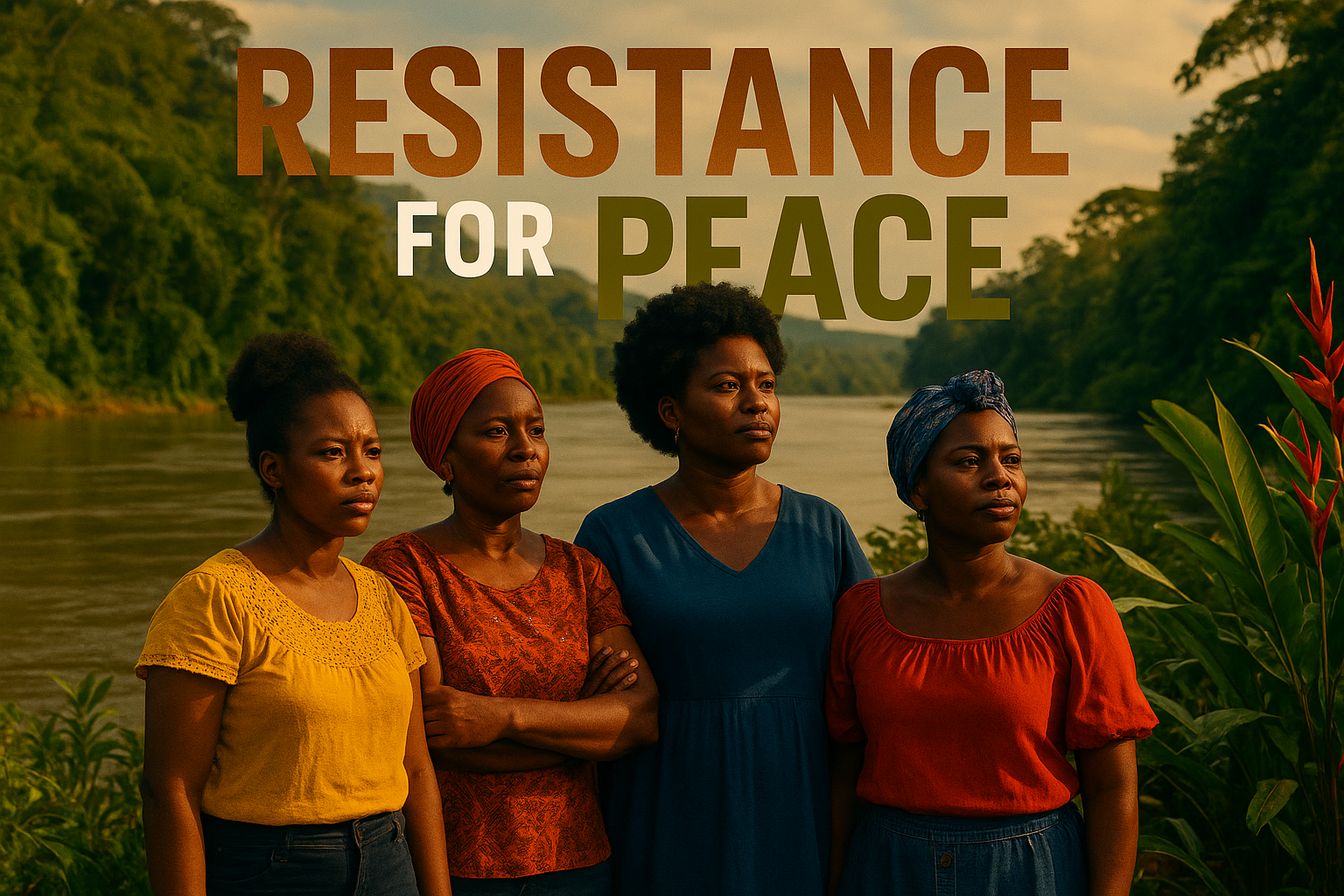
Black Women Fighting for Peace in Rural Colombia
By Darius Spearman (africanelements)
Support African Elements at patreon.com/africanelements and hear recent news in a single playlist. Additionally, you can gain early access to ad-free video content.
The Enduring Struggle for Peace in Rural Colombia
Peace has remained a distant dream in many parts of rural Colombia. Indeed, violence surged in early 2025, driven by conflicts between various armed groups. This latest increase in violence is among the most intense in years, particularly affecting regions such as Catatumbo (SFGate). Violence against ordinary people, including trade unionists and community leaders, has also alarmingly increased. For example, killings of former FARC members have sharply climbed in 2025, already exceeding more than half of the total number from 2024 (Justice for Colombia). Recent victims include committed trade unionists and cherished community activists. This highlights the urgent need for enhanced security measures and improved protection for these brave individuals who often stand against threats.
Rural Colombia faces unique challenges that make peace especially elusive. These challenges include high levels of violence, limited access to essential resources, and a long history of neglect. Such conditions complicate peace efforts and impact local communities disproportionately (Coda Story). Furthermore, historical conflicts have led to persistent violence in these areas, harming communities and complicating efforts to build lasting peace. The conflict is made even more complex by the presence of multiple armed groups, each with their own goals and motivations. In the midst of this struggle, local activists—especially Black women’s community groups—are diligently working to bring peace to these vulnerable regions (Tolerance.ca). Their steadfast commitment is a beacon of hope for many.
Escalation of Violence: Killings of Former FARC Members
Afro-Colombians: A Deep Rooted History
Afro-Colombians are individuals of African descent who have profoundly shaped the country’s cultural landscape. They represent a significant part of Colombia’s population, making Colombia home to the fourth-largest Black African population in the Western Hemisphere (African American Registry). Their history is rich with stories of resistance against colonial oppression and slavery, embodying a spirit of resilience that continues to this day. Afro-Colombians are responsible for popular musical genres such as Cumbia and Vallenato, which clearly reflect their deep African influences (Marriott Traveler). These cultural forms are vibrant symbols of their heritage and ongoing contributions.
Afro-Colombians also played a crucial role in the struggle for independence from Spain. An astonishing three out of every five soldiers in Simon Bolívar’s army were African (African American Registry). This highlights their monumental contribution to Colombia’s liberation. Despite this immense historical significance, their culture and contributions are often overlooked in official narratives about Colombian history (Coda Story). This oversight underscores a larger pattern where the narratives of the African diaspora are frequently marginalized. However, the strength of the Afro-Colombian spirit, rooted in generations of perseverance, continues to drive their current efforts towards peace and recognition.
Colombia’s Significant Afro-Descendant Population
Black Women: Agents of Change and Community Cohesion
Black women’s community groups are playing an indispensable role in promoting peace and human rights in rural areas of Colombia. These groups often arise from a deep understanding of the unique challenges faced by their communities, challenges often intensified by racial discrimination and historical marginalization. Afro-Colombian activists, such as Charo Mina-Rojas, are vocal about the urgent need to address violence against Afro-Colombian women and to empower these communities (Nobel Women’s Initiative). Charo Mina-Rojas and other dedicated leaders clearly highlight the importance of increased visibility and solidarity for Afro-Colombian communities severely impacted by violence (Nobel Women’s Initiative).
Afro-Colombian groups work to achieve visibility and solidarity through various means. These include powerful cultural expression, dedicated political activism, and strong community engagement (Minority Rights Group). They tirelessly work to highlight their significant contributions and ongoing challenges. They often employ traditional practices and advocate forcefully for their rights. Afro-Colombian women have increasingly taken on leadership roles in peacebuilding efforts. They leverage their unique cultural identity and strong community ties to advocate for justice and lasting peace (Minority Rights Group). These groups typically focus on community-based initiatives and efforts to preserve their rich cultural heritage. Their unwavering commitment forms the backbone of local peace movements.
Afro-Colombian Contribution to Independence
- 60% (3 out of 5) African Soldiers
- 40% Other Soldiers
Overcoming Challenges and Forging Ahead
Black women’s community groups in Colombia face significant obstacles in their vital work. These challenges include pervasive discrimination, limited resources, and the constant threat of violence from armed groups. These hurdles complicate their ability to effectively advocate for peace and justice. The ongoing violence, especially the targeting of former FARC members, is linked to unresolved issues from past peace negotiations. This failure to fully address the underlying reasons for conflict has led to the persistence of violence (Coda Story). The political climate in Colombia remains complicated, with tensions between different groups contributing to the violence. Despite these immense difficulties, these groups persevere, driven by their deep commitment to their communities.
The impact of these efforts, while not universally quantified, is profoundly felt at the grassroots level. Black women’s groups have significantly contributed to community cohesion and continued advocacy for peace. Their work often involves grassroots initiatives that genuinely enhance community well-being and security. These initiatives are usually community-driven and meticulously tailored to local needs. They may also involve cultural activities to promote community unity and peace. Through their unwavering efforts, they provide a powerful voice for vulnerable populations. They also serve as a crucial link between local needs and broader peace processes. They collaborate to ensure their message of hope and justice resonates widely.
The Road to a Lasting Peace
The role of Black women’s community groups in rural Colombia is more vital than ever. They are not merely responding to conflict; they are actively shaping the future of peace in their regions. Their actions serve as a testament to the enduring spirit of the African diaspora. This spirit is defined by resilience, creativity, and an unyielding commitment to justice. Through dialogue, education, and advocacy, they build foundations for peace that are rooted in the lived experiences and cultural heritage of Afro-Colombian communities. Their practices, deeply integrated with their African heritage, strengthen community acceptance and participation in peacebuilding efforts.
The path to lasting peace in Colombia remains challenging. However, the dedication of these Black women’s groups offers immense hope. Their efforts deserve global recognition and support. Their work is an inspiring example of how local, community-led initiatives can create significant change, even in the most difficult circumstances. As they continue to navigate a complex and often dangerous landscape, their call for visibility, solidarity, and empowerment echoes the universal yearning for a world where peace is not an elusive concept but a lived reality for all. Their leadership is invaluable as Colombia strives to overcome historical conflicts and build a more inclusive future.
ABOUT THE AUTHOR
Darius Spearman has been a professor of Black Studies at San Diego City College since 2007. He is the author of several books, including Between The Color Lines: A History of African Americans on the California Frontier Through 1890. You can visit Darius online at africanelements.org.
