
Listen to this article
Download AudioDEI Cuts in Spy Agencies: A National Security Crisis?
By Darius Spearman (africanelements)
Support African Elements at patreon.com/africanelements and hear recent news in a single playlist. Additionally, you can gain early access to ad-free video content.
The Unraveling of Diversity in U.S. Intelligence
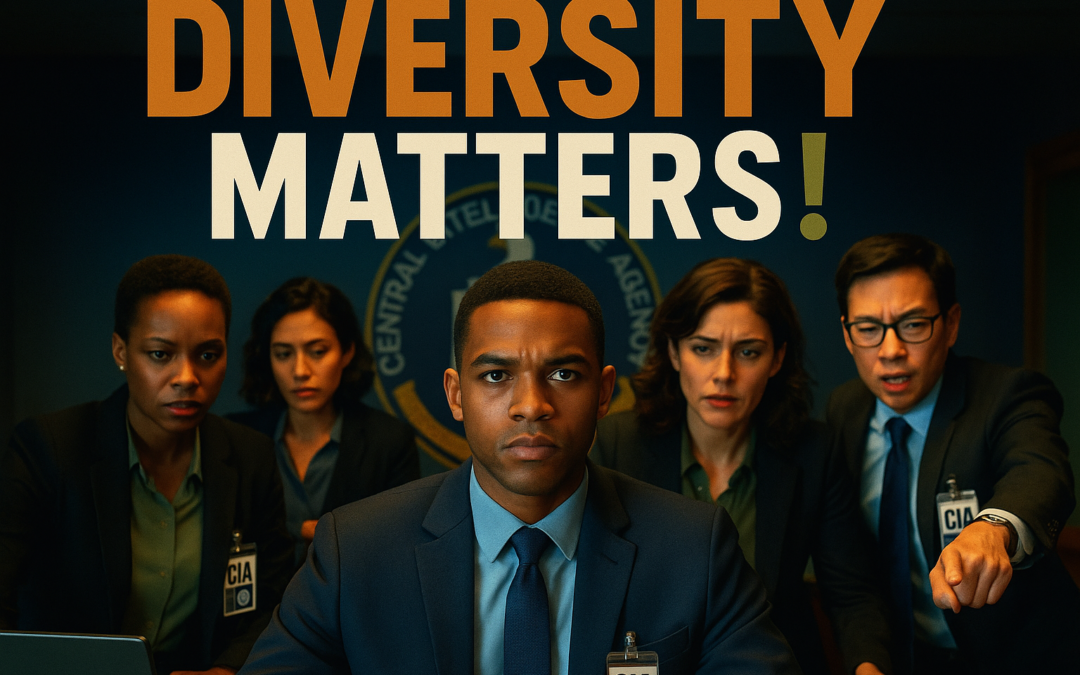
It’s a troubling turn of events for folks who believe in a government that looks like all of America. Reports are surfacing that U.S. intelligence agencies, including the CIA and the Office of the Director of National Intelligence (ODNI), are cutting roles related to diversity, equity, inclusion, and accessibility (DEI). These moves are apparently happening because of executive orders from President Donald Trump. For many in our community, this feels like a giant step backward. After all, these programs were put in place to make sure everyone gets a fair shake and that these powerful agencies benefit from all voices, including Black and Brown ones. Now, there are serious worries that getting rid of these roles could mess with our national security. (Top U.S. Intelligence Agency Pushing Out All Diversity-Related Workers)
The justification for these cuts is also raising eyebrows. Trump’s executive order reportedly calls these DEI programs “illegal and immoral discrimination.” This is a tough pill to swallow, especially for those of us who know the real history of discrimination in this country. To hear programs designed to fight unfairness called “immoral” is deeply concerning. It makes you wonder what the real goal is here. Furthermore, this dismantling isn’t happening in a vacuum; it’s part of larger federal workforce reductions.
What’s Happening to DEI Workers in Spy Agencies?
The human cost of these policy changes is already being felt. At the CIA, an unknown number of employees working on diversity programs have been let go. Imagine dedicating your career to making an organization more inclusive, only to be told your job is part of “illegal and immoral discrimination.” This is the reality for some of our brothers and sisters in these agencies. The situation is just as grim at the ODNI. Officials there who were involved in DEI programs have reportedly been told to resign or face being fired. They do have the option to appeal to the Director of National Intelligence, but it’s a scary position to be in. (Top U.S. Intelligence Agency Pushing Out All Diversity-Related Workers)
The lack of exact numbers on how many people are affected is also a big concern. We know “an unspecified number” of CIA employees are out, and ODNI officials are being pushed out, but without clear data, it’s hard to grasp the full scale of these DEI cuts. For our community, this vagueness is unsettling. Are Black employees and other minorities disproportionately affected? These are the folks who often champion and benefit most from DEI initiatives. Therefore, this lack of transparency makes it difficult to understand the true impact on representation within these critical government bodies. (Top U.S. Intelligence Agency Pushing Out All Diversity-Related Workers)
DEI Role Reductions in U.S. Intelligence
Legal Battles: Fighting Back Against DEI Firings
Thankfully, these actions aren’t going unchallenged. A federal judge has stepped in and blocked the Trump administration from firing CIA and ODNI employees who worked on these DEI programs. This is a significant development. It shows that there’s a legal fight brewing over these controversial decisions. The ruling came after an earlier request for emergency relief was denied, so this is a hard-won, albeit possibly temporary, victory for these workers. For those of us who have seen the courts as a battleground for civil rights, this is a familiar story, and we’re watching closely. (Judge blocks Trump administration from firing CIA, ODNI staffers)
The government’s argument in court was that intelligence agencies have broad power to restructure themselves without following the usual procedures. Essentially, they’re saying they can do what they want. However, the people suing—the employees who were targeted—argued that these dismissals were defamatory. They said being fired under the cloud of “illegal and immoral discrimination” would ruin their job prospects. This is a powerful point. A label like that can stick, especially for Black professionals and other minorities who already face uphill battles in their careers. Thus, the judge’s decision to block the firings offers a moment of hope in this ongoing struggle. (Judge blocks Trump administration from firing CIA, ODNI staffers)
Key Aspects of the Legal Challenge Over DEI Firings
Judge’s Intervention
A federal judge temporarily blocked the Trump administration from firing CIA and ODNI employees involved in DEI programs.
Government’s Argument
The administration claimed intelligence agencies have broad authority to restructure without following typical procedures for personnel changes.
Plaintiffs’ Argument
The affected employees argued that the dismissals were defamatory and would undermine their future job prospects, effectively branding their work as improper.
How DEI Cuts Harm National Security
Let’s be clear: this isn’t just about jobs or political correctness. The rollback of diversity efforts at the CIA and other intelligence agencies has huge implications for our country’s safety. There was a time when the CIA itself said that diversity was essential to its mission (C.I.A. Rejects Diversity Efforts Once Deemed as Essential to Its Mission). Think about it – if everyone in the room looks the same and thinks the same, how can we possibly understand a world that’s incredibly diverse? How can we anticipate threats from people with different backgrounds and cultures if we don’t have those perspectives on our own team? Current and former U.S. intelligence officials have warned that getting rid of DEI roles could seriously damage U.S. national security. (Top U.S. Intelligence Agency Pushing Out All Diversity-Related Workers)
Experts have pointed out that diversity in intelligence agencies is crucial for effective threat analysis (The Impact of Diversity on Intelligence by Brookings). Our community, the African Diaspora, has unique insights and experiences that are invaluable. When you sideline people who bring different viewpoints, you’re basically choosing to see the world with one eye closed. Moreover, these actions can lower morale and make people trust their employers less (The Impact of Diversity and Inclusion on Workplace Culture by Harvard Business Review). If intelligence officers, especially those from minority backgrounds, feel undervalued or targeted, it can make the whole agency less effective. These cuts, therefore, aren’t just an internal reshuffle; they’re a gamble with America’s ability to protect itself.
ODNI’s Key Role and the Appeal Process
To understand how serious these changes are, it helps to know what the Office of the Director of National Intelligence (ODNI) actually does. The ODNI is the head of the entire U.S. Intelligence Community. This community is huge, made up of 18 different agencies and organizations (About the Office of the Director of National Intelligence by ODNI). The ODNI’s job is to oversee and direct all these national intelligence efforts. They are responsible for making sure the President, the National Security Council, and other key leaders get the intelligence they need to make big decisions (Responsibilities and Authorities of the Director of National Intelligence by U.S. Code). So, when DEI roles are cut at ODNI, it’s not just one office; it signals a shift across the entire intelligence landscape.
For those ODNI officials who were told to resign or be fired, there’s an option to appeal. This usually involves internal review processes within the government. Sometimes, these appeals can even lead to legal action. However, there’s no guarantee of success, and the process can be long and stressful (Appeals Process for Federal Employees by U.S. Office of Personnel Management). For Black professionals and other minorities in these roles, navigating such an appeal can be especially daunting. Ultimately, the fact that high-level officials involved in promoting diversity are facing such ultimatums speaks volumes about the current administration’s priorities.
The ODNI: America’s Intelligence Hub
The Office of the Director of National Intelligence (ODNI) is at the very top of the U.S. Intelligence Community. Its main job is to lead and support the entire community.
It oversees and directs the national intelligence program, ensuring that policymakers receive the best possible intelligence to protect our country.
The DNI integrates the work of 18 distinct agencies and organizations that make up the U.S. Intelligence Community.
Unanswered Questions and the Path Ahead for DEI
As these DEI cuts unfold, a lot of questions remain unanswered, which is deeply unsettling for many, especially within minority communities. For example, we still don’t know the specific number of African American or other minority DEI workers who have been affected by these firings and forced resignations. Without this data, it’s hard to see the full picture of how these changes are impacting those who have historically been underrepresented (Top U.S. Intelligence Agency Pushing Out All Diversity-Related Workers). This lack of information makes it tough to figure out if these cuts are hitting some groups harder than others.
Furthermore, there’s no clear word on whether there are any plans to replace these DEI functions with something else. Are these critical efforts just being wiped out, or will there be alternative programs? The silence on this is concerning. The long-term consequences are also a big unknown. Will we see a drop in diversity within these agencies? Will it become harder to hire and keep minority employees? (The Impact of Diversity Initiatives on Workforce Diversity by DiversityInc). And what about the legal challenges? While the recent judge’s ruling offers some hope, the overall success of these legal fights is still up in the air (Legal Challenges to Executive Orders by American Bar Association). For our community, these aren’t just abstract policy debates; they’re about whether the doors of opportunity in some of our nation’s most important institutions will remain open or be slammed shut. The fight for true equity, it seems, is far from over.
ABOUT THE AUTHOR
Darius Spearman is a professor of Black Studies at San Diego City College, where he has been teaching since 2007. He is the author of several books, including Between The Color Lines: A History of African Americans on the California Frontier Through 1890. You can visit Darius online at africanelements.org.
