
Listen & Share
The Unseen Scars of Wrongful Convictions
By Darius Spearman (africanelements)
Support African Elements at patreon.com/africanelements and hear recent news in a single playlist. Additionally, you can gain early access to ad-free video content.
The Heavy Cost of Injustice: Kenneth Bullock’s Ordeal
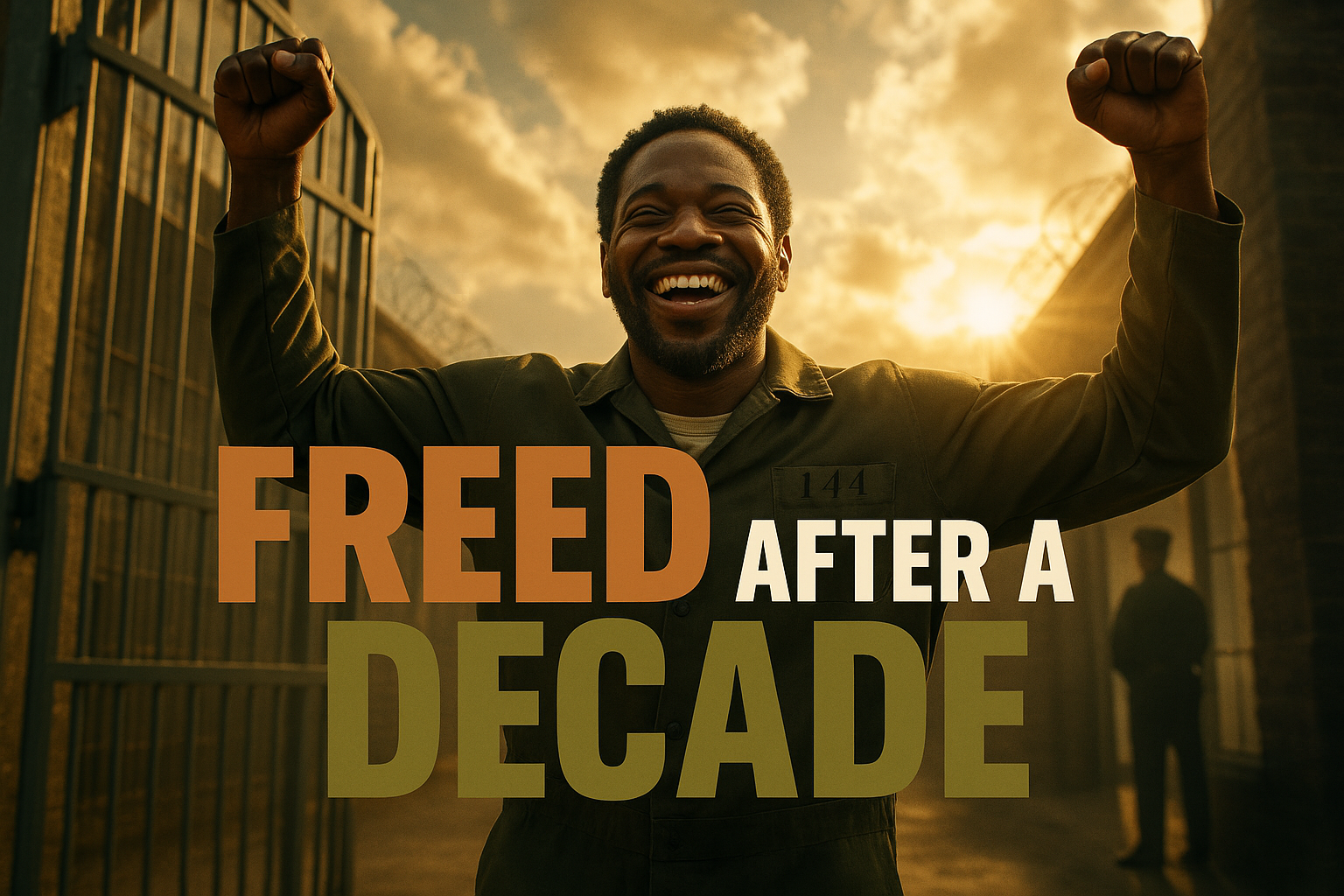
Imagine losing more than ten years of your freedom for a crime you did not commit. This was the deeply unfair reality for Kenneth Bullock, an African American man from Detroit. He was only 44 years old when he was finally released from prison. During his wrongful imprisonment for carjacking, he maintained his innocence consistently (BlackNews.com).
His story serves as a stark reminder of the painful flaws within our justice system. The truth finally emerged when another man, Jamare Rucker, confessed to the carjacking. Consequently, Bullock’s conviction was overturned (BlackNews.com). This case, similar to far too many others involving Black men, highlighted deep constitutional concerns about police conduct and the possibility of false imprisonment (MoveOn.org).
Eyewitness Misidentification: A Flaw in Our Justice System
Eyewitness identification is a process where a witness identifies a suspect in a crime, often based on their memory. However, this method can be terribly unreliable. It is, in fact, the leading cause of wrongful convictions across the United States. Furthermore, it contributes to roughly 69 percent of all DNA-based exonerations (EBP Society).
Several factors can cause eyewitnesses to make mistakes. These include immense stress during a crime, suggestive police practices during lineups, and cross-racial identification issues which are especially common in cases involving Black defendants. For example, Yulanda Russell, the eyewitness in Kenneth Bullock’s case, initially gave a description of the suspect that was different from Bullock (BlackNews.com). Despite the critical need for change, only 25 states have put reforms in place to make eyewitness identifications more reliable (EBP Society).
Major Causes of Wrongful Convictions
Beyond Eyewitnesses: Other Causes of Wrongful Convictions
While mistaken eyewitness testimony is a major problem, it is certainly not the only one. Other issues contribute to faulty convictions as well. About 14 percent of wrongly imprisoned people were convicted due to mistakes or alleged misconduct by forensic experts (Death Penalty Information Center). These errors can happen if evidence is mishandled or misinterpreted during an investigation.
The absence of DNA testing, a powerful tool for proving innocence or guilt, further complicates matters. Without reliable DNA evidence, cases often rely more heavily on less dependable forms of proof (Innocence Project). For example, police misconduct, such as using suggestive lineup procedures, can significantly impact the fairness of trials and even violate a person’s right to due process. The National Registry of Exonerations works tirelessly to track these cases, helping us understand the patterns and advocate for much-needed changes in our legal system (National Registry of Exonerations).
The Path to Freedom: Exoneration and Its Aftermath
Exoneration is the official process of clearing a person’s name after they were wrongly convicted of a crime. It means that new evidence, perhaps DNA, has definitively proven their innocence (Innocence Project). However, achieving exoneration is rarely a quick or simple task. It often involves years of tireless legal efforts and dedicated advocacy to finally correct the grave injustice (EBP Society).
Even after gaining their freedom, exonerees like Kenneth Bullock face immense challenges. They frequently struggle to rebuild their lives in a world that moved on without them. Unlike individuals released from prison after serving a sentence, exonerees often receive little or no support to help them reintegrate into society (Death Penalty Information Center). They battle employment barriers, severe mental health issues from the trauma of wrongful imprisonment, and social isolation. Their long-term struggle is a profound reminder of the deep scars left by the system’s failings.
A Decade Lost
Striving for Justice: Reforms and Advocacy
The fight for justice is far from over. There is a pressing need for legal reforms to prevent future wrongful convictions. Advocates consistently push for improvements in several areas (Innocence Project). These reforms include creating more reliable eyewitness identification procedures, ensuring proper forensic analysis, and strengthening legal protections for individuals accused of crimes. National organizations, such as the U.S. Department of Justice and the American Bar Association, also support these crucial changes.
Organizations like the Innocence Project play a vital role in this ongoing struggle. They conduct research, pursue legal action on behalf of the wrongly convicted, and educate the public about the challenges within the justice system (Innocence Project). Petitions, such as the one for Kenneth Bullock, help to rally public support and place pressure on policymakers to enact meaningful reforms (MoveOn.org). The African American community, disproportionately affected by wrongful convictions and systemic biases (Department of Public Advocacy), especially relies on these efforts to ensure a more equitable and just future.
States with Eyewitness Identification Reforms
ABOUT THE AUTHOR
Darius Spearman has been a professor of Black Studies at San Diego City College since 2007. He is the author of several books, including Between The Color Lines: A History of African Americans on the California Frontier Through 1890. You can visit Darius online at africanelements.org.
