


HIV Prevention Cuts: Why Black Communities Face the Highest Risk
By Darius Spearman (africanelements)
Support African Elements at patreon.com/africanelements and hear recent news in a single playlist. Additionally, you can gain early access to ad-free video content.
Federal lawmakers are currently debating aggressive reductions to public health spending. These proposed domestic HIV budget cuts target critical programs across the nation. Public health officials and civil rights advocates warn that these reductions threaten decades of hard-fought medical progress (hivhep.org). The proposals direct deep reductions toward core prevention programs, community health clinics, and specialized support systems (aidsunited.org).
The burden of these austerity measures will fall most heavily on African American and Latino neighborhoods (everyblackbody.org). Black Americans represent roughly thirteen percent of the national population, yet they account for four out of every ten new HIV diagnoses (cdc.gov). Examining this modern crisis requires looking closely at the history behind the headlines. Federal policy decisions have long dictated who receives protection during epidemics and who is left behind (thebody.com).
Early Neglect and the Roots of Racial Disparities in HIV
The roots of modern health inequities reach back to the beginning of the epidemic. When federal authorities identified the first cases of Acquired Immunodeficiency Syndrome in 1981, public health agencies framed the condition as an issue limited to white gay men (thebody.com). Early educational campaigns, research protocols, and news coverage focused almost entirely on coastal, middle-class white populations (everyblackbody.org). This narrow lens ignored what surveillance data revealed from the very start (wikipedia.org).
By 1985, Black and Latino individuals accounted for three times as many diagnoses relative to population size as white Americans (thebody.com). The virus spread through urban communities through blood transfusions, shared needles, and heterosexual contact (wikipedia.org). Low-income neighborhoods already suffered from systematic hospital closures and severe municipal neglect (everyblackbody.org). Early clinical trials excluded people of color, leaving patients without access to experimental therapies (thebody.com). This initial institutional silence allowed the virus to establish deep roots across Black America (everyblackbody.org).
These historical inequities produced the profound racial disparities in HIV that persist today (cdc.gov). Contemporary public health surveillance shows that Black and Latino communities continue to absorb the vast majority of new infections (cdc.gov). Decades of uneven resource allocation, poverty, and healthcare segregation have locked these inequities into place across generations (everyblackbody.org).
Share of New U.S. HIV Diagnoses by Race
Grassroots Mobilization and Minority AIDS Initiative History
When federal agencies failed to intervene, local leaders built their own safety nets. In 1985, Archbishop Carl Bean established the Minority AIDS Project in Los Angeles (wikipedia.org, thebody.com). It was the first community agency run entirely by people of color to provide free clinical support, food, and housing (wikipedia.org). Soon after, Debra Fraser-Howze founded the National Black Leadership Commission on AIDS in New York City (thebody.com). She engaged Black churches, civic groups, and local leaders to confront stigma and demand public resources (thebody.com).
These grassroots movements reflected a long tradition of Black self-determination against institutional barriers. African Americans have repeatedly created autonomous institutions to survive medical and structural economic barriers throughout American history. In 1999, Phill Wilson co-founded the Black AIDS Institute to build policy expertise within Black communities (thebody.com). Community mobilizations forced political leaders to recognize that universal public health policies were leaving Black Americans behind (everyblackbody.org).
“The Congressional Black Caucus recognized that the standard public health approach was failing communities of color, creating a dual epidemic where white survival rates climbed while Black mortality surged.”
Source: (govinfo.gov)
The turning point in Minority AIDS Initiative history arrived in the spring of 1998 (thebody.com). Highly active antiretroviral therapy was saving lives, but survival gains favored insured white patients (everyblackbody.org). Death rates among African Americans continued to rise (thebody.com). Representatives Maxine Waters and Louis Stokes led the Congressional Black Caucus in holding emergency hearings (govinfo.gov). The caucus formally declared HIV/AIDS a public health state of emergency in Black communities (everyblackbody.org, thebody.com).
The caucus leveraged its legislative power, directly pressuring the Clinton administration (govinfo.gov). In October 1998, President Bill Clinton created the Minority AIDS Initiative with an initial appropriation of 156 million dollars (thebody.com, govinfo.gov). This legislative victory codified targeted grants into law (govinfo.gov). The initiative sent federal money directly to minority-led community clinics, funding culturally competent care and expanding neighborhood testing programs (everyblackbody.org, govinfo.gov).
The Safety Net at Stake: Facing Ryan White Funding Cuts
The primary foundation of domestic care remains the Ryan White Comprehensive AIDS Resources Emergency Act of 1990 (hivhep.org, kff.org). Named after an Indiana teenager who contracted the virus through blood products, the law created a payer of last resort (hivhep.org). The program funds medical visits, lab work, and life-extending prescriptions when patients lack insurance coverage (hivhep.org, everyblackbody.org). Over three decades, the demographics of the program underwent a complete transformation (everyblackbody.org).
Today, more than seventy percent of the roughly 550,000 clients served by the program identify as racial and ethnic minorities (everyblackbody.org). Black patients make up forty-seven percent of all clients, and Hispanic patients represent twenty-four percent (everyblackbody.org). Proposed Ryan White funding cuts of hundreds of millions of dollars directly target these vulnerable populations (hivhep.org, aidsunited.org). These proposals reduce clinical resources for low-income patients who have no alternative options (hivhep.org, everyblackbody.org).
Ryan White Program Client Reach & Outcomes
The program achieves remarkable medical results despite systemic barriers. Nearly ninety percent of Ryan White clients reach viral suppression (everyblackbody.org). This success occurs even though three-quarters of these individuals live at or below the federal poverty line (everyblackbody.org). Suppressed viral loads mean the virus cannot transmit to sexual partners, protecting broader public health (everyblackbody.org).
Legislative budget drafts have specifically targeted Part C early intervention grants and Part D family programs (aidsunited.org). Part D provides specialized, coordinated care for low-income mothers, infants, children, and youth (everyblackbody.org). Black cisgender women account for more than half of all new diagnoses among American women (cdc.gov). Defunding Part D weakens the specialized clinical infrastructure that prevents perinatal transmission and supports Black mothers living with the virus (everyblackbody.org).
The Impact of CDC HIV Prevention Funding on Local Clinics
Federal appropriations committees have proposed sweeping cuts to domestic disease prevention (hivhep.org, hivma.org). Lawmakers introduced measures seeking to eliminate between 755 million and 794 million dollars from the Centers for Disease Control and Prevention (hivhep.org, hivhep.org). This federal money forms the primary operating foundation for state and local health departments (hivhep.org, hivma.org). These grants fund routine disease surveillance, free community testing, and partner notification programs across the country (hivhep.org).
Eliminating CDC HIV prevention funding disables the early warning systems of modern public health (hivhep.org, hivma.org). Epidemiologists use these funds to track transmission clusters and deploy rapid interventions (hivma.org). Without active surveillance, local health departments cannot detect outbreaks until patients arrive at hospital emergency rooms with advanced illnesses (hivhep.org). This delay increases emergency medical costs and causes preventable deaths (hivhep.org, hivma.org).
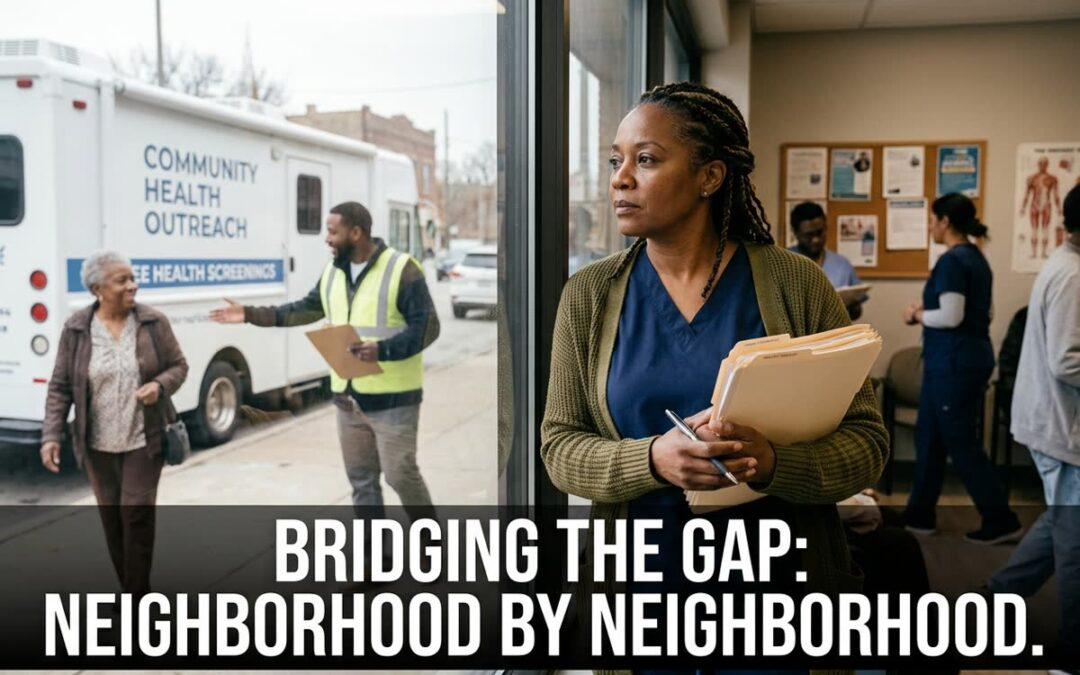
This dynamic reveals the ongoing tension between federal and state power that shapes health policy. More than half of all new HIV transmissions occur in the American South (cdc.gov). Many Southern states have persistently refused to expand Medicaid under the Affordable Care Act (kff.org). This resistance creates extensive healthcare deserts in areas with large Black populations (everyblackbody.org). Community clinics in cities like Atlanta, Jackson, and Birmingham rely entirely on federal grants to keep their testing vans running (hivhep.org, aidsunited.org).
When federal lawmakers reduce these grants, neighborhood clinics must lay off peer navigators and close outreach sites (hivhep.org, aidsunited.org). These trusted workers build relationships with residents who often fear medical institutions due to historical abuses (everyblackbody.org). Removing these frontline staff cuts off access to basic preventative care and testing (hivhep.org). Without neighborhood outreach, community-level transmission will inevitably accelerate (hivma.org).
Biomedical Breakthroughs Blocked by PrEP Access Disparities
The medical community now possesses tools capable of ending viral transmission entirely (jhu.edu). Daily oral medications known as Pre-Exposure Prophylaxis reduce the risk of contracting HIV through sexual contact by ninety-nine percent (cdc.gov). Biomedical innovation has also produced long-acting injectables like cabotegravir and lenacapavir (jhu.edu). These injections provide protection for months at a time, removing the daily burden of pill adherence (jhu.edu).
Yet these modern medical breakthroughs remain out of reach for the people who need them most (jhu.edu, cdc.gov). CDC surveillance records profound PrEP access disparities across racial groups (cdc.gov). More than sixty-five percent of eligible white individuals receive a prescription for preventative medicine (cdc.gov). In contrast, only twenty-seven percent of eligible Black individuals and thirty-one percent of eligible Hispanic individuals obtain these prescriptions (cdc.gov).
PrEP Coverage Gaps Across Racial Groups
Deploying long-acting injectables requires clinical infrastructure, regular laboratory monitoring, and administrative staffing (jhu.edu). These medications carry annual list prices that exceed tens of thousands of dollars per patient (jhu.edu). Uninsured and working-class patients rely entirely on federally subsidized clinics to navigate insurance approvals and cover laboratory fees (hivhep.org, jhu.edu).
Proposed budget reductions eliminate the navigation teams that help vulnerable individuals access these therapies (hivhep.org, aidsunited.org). This barrier hits Black transgender women and young Black gay and bisexual men particularly hard (everyblackbody.org, cdc.gov). These groups experience extreme lifetime transmission risks due to structural discrimination and economic disenfranchisement (everyblackbody.org). Removing federal grant support denies the most effective biomedical interventions to the communities facing the highest risk (jhu.edu).
Political Ideology and the Ending the HIV Epidemic Initiative
The contemporary political conflict centers directly on the Ending the HIV Epidemic initiative (hivhep.org, hivma.org). Launched in 2019 under the Trump administration, this bipartisan initiative set a clear national goal (hiv.gov). The strategy aimed to reduce new domestic HIV infections by ninety percent by the year 2030 (hiv.gov). It focused federal investments directly onto fifty geographic hotspots, primarily in Southern rural counties and major urban areas (hiv.gov).
Despite its bipartisan origins, the program has become a target in congressional spending debates (hivma.org, aidsunited.org). Conservative appropriators have repeatedly advanced measures to completely eliminate the initiative (hivhep.org, house.gov). Lawmakers justify these cuts through fiscal austerity and spending caps established under recent budget agreements (hivma.org, house.gov). However, public health advocates note that ideological objections also drive these decisions (aidsunited.org).
“Defunding proven prevention programs during an epidemic does not save money; it simply shifts the cost into hospital emergency rooms and future disability claims.”
Source: (hivma.org)
Legislative riders have targeted harm-reduction programs that support people who use drugs (hivma.org). Certain lawmakers oppose funding syringe service programs, even though CDC research shows these services dramatically reduce viral transmission (cdc.gov). Furthermore, federal prevention grants have faced hostile amendments targeting programs that serve LGBTQ+ people of color (aidsunited.org). These political attacks reflect broader efforts shaping political dynamics around diversity, equity, and public health spending (aidsunited.org).
While advocacy coalitions have successfully blocked several direct cuts, budget agreements have resulted in flat funding (aidsunited.org, theaidsinstitute.org). Economists emphasize that flat funding during inflationary periods functions as an actual budget cut (theaidsinstitute.org). Medical costs, facility leases, and prescription prices continue to climb rapidly (theaidsinstitute.org). When federal funding fails to match inflation, safety-net clinics must limit patient intake and freeze community outreach programs (aidsunited.org, theaidsinstitute.org).
The current legislative struggle over federal prevention funding is not an isolated budget dispute (hivhep.org, everyblackbody.org). It represents the latest chapter in a long history of unequal access to healthcare in the United States (thebody.com). When the federal government reduces investments in public health, the damage falls squarely on marginalized communities (everyblackbody.org). Protecting the health of Black America requires continuous political engagement, robust federal funding, and an unwavering commitment to health equity (everyblackbody.org, govinfo.gov).
About the Author
Darius Spearman is a professor of Black Studies at San Diego City College, where he has been teaching for over 20 years. He is the founder of African Elements, a media platform dedicated to providing educational resources on the history and culture of the African diaspora. Through his work, Spearman aims to empower and educate by bringing historical context to contemporary issues affecting the Black community.
