
Listen & Share
Challenging ‘Back the Blue’: Protecting Black Lives in Alabama
By Darius Spearman (africanelements)
Support African Elements at patreon.com/africanelements and hear recent news in a single playlist. Additionally, you can gain early access to ad-free video content.
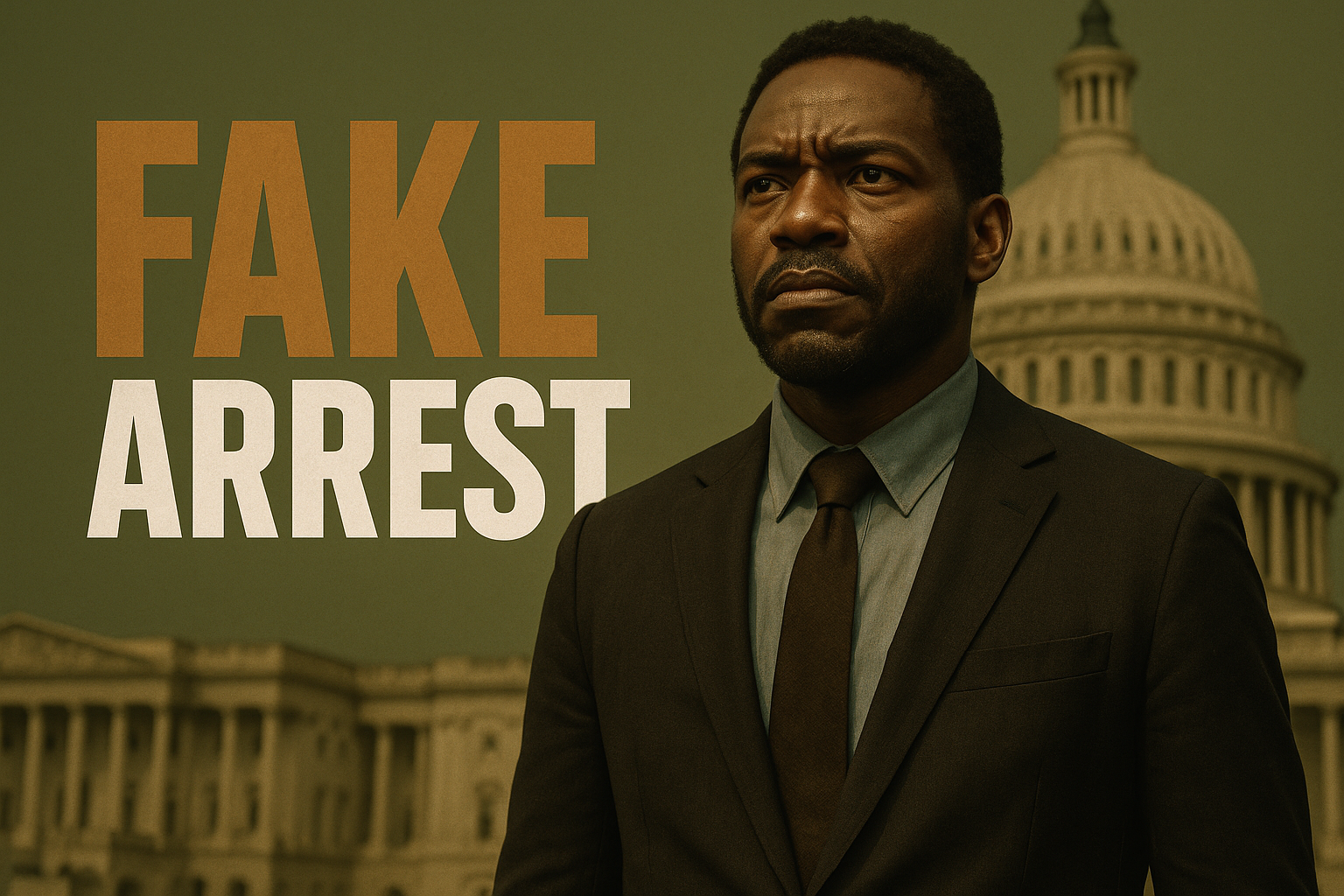
A Black man in Alabama is stepping forward to run for the U.S. Senate. He seeks to challenge a new state law known as “Back the Blue,” after a deeply personal experience of false arrest. This story highlights the ongoing struggle for police accountability, particularly for African American communities. Many people fear new laws will further protect officers who may engage in misconduct.
The “Back the Blue” movement is a political stance. It signals strong support for law enforcement officers. This movement often arises in opposition to calls for police reform or increased public scrutiny of police practices. This concept means advocating for measures that protect police, limit lawsuits against them, and expand their legal immunity (News21: In Pursuit).
A Personal Stand Against Injustice
The motivation behind this Senate bid is profoundly personal. This individual states he was falsely arrested. He claims officers fabricated narcotics possession charges against him (Atlanta Black Star). Such an experience can shatter trust in the justice system. Therefore, his decision to run for office is a direct response to this perceived injustice. He aims to resist legislation that he believes could shield police from accountability.
His campaign represents more than a political ambition. It is a cry for justice from the ground up. This man’s experience echoes the historical pain within Black communities. Many families have suffered through unfair encounters with law enforcement. His candidacy offers a glimmer of hope that the voices of those affected by police misconduct can reach the highest levels of government.
Alabama’s New “Back the Blue” Law
Alabama’s “Back the Blue” law, officially known as Act 2025-423, became active on May 15, 2025. Governor Kay Ivey signed it into law (The US Constitution.org). This legislation significantly expands immunity protections for law enforcement officers. It consequently makes it more challenging to prosecute them. Accountability can only be sought if their actions are considered constitutionally excessive or reckless.
This law includes provisions for a pre-trial immunity hearing. Such hearings can shield officers from criminal prosecution and civil lawsuits. This protection applies unless they are determined to have acted outside their “discretionary authority” (Rocket City Now). The law intends to free officers from civil liability. However, this protection extends only if their actions did not violate constitutional rights or were not considered reckless. This has raised serious concerns about reduced accountability for misconduct (Maynard Nexsen).
Alabama’s “Back the Blue” Law: Key Impacts
Expanded Immunity
The law broadens protections for officers against prosecution, raising the bar for accountability.
Pre-Trial Hearings
Officers can seek early immunity from criminal and civil cases through pre-trial hearings.
Difficult Prosecutions
It becomes harder to prosecute officers unless their actions are found to be constitutionally excessive or reckless.
Concerns Over Officer Accountability
The new “Back the Blue” law has critics across Alabama. Many argue that it could drastically reduce officer accountability. They also fear it might create a perception that officers are above the law (Maynard Nexsen). Such a belief could worsen existing issues of police misconduct. It might also deepen mistrust within already strained communities, especially among African Americans.
The bill was not without opposition during its legislative journey. Some lawmakers voiced concerns that it would lower standards for law enforcement. Furthermore, they worried it would decrease accountability for questionable actions (1819 News). The increased legal protections for officers certainly present new challenges. It will be more difficult to hold them responsible for misconduct, regardless of its severity (Rocket City Now).
Understanding Police Immunity
Police immunity, often called “qualified immunity,” is a legal principle. It generally protects government officials, including police officers, from civil lawsuits. This protection applies as long as their actions did not violate clearly established statutory or constitutional rights. These are rights that a reasonable person would have known (News21: In Pursuit). The doctrine’s purpose is to strike a balance. It aims to hold officials accountable. At the same time, it allows them to perform their duties without fear of constant lawsuits.
In practice, “Back the Blue” laws extend this immunity. They make it significantly harder for individuals to sue officers for misconduct (The Marshall Project). This expanded protection means that even when officers are under investigation, they may still be shielded. This situation is particularly concerning for Black communities, who often feel the brunt of police overreach.
Police Immunity: Qualified Immunity Explained
Qualified immunity is a legal doctrine. It shields government officials, including officers, from liability for civil damages. This protection applies as long as their actions did not violate “clearly established” legal or constitutional rights.
This card explains the core concept of qualified immunity. Source: News21: In Pursuit, The Marshall Project
Clarifying Legal Terms: Excessiveness and Discretionary Authority
The terms “constitutional excessiveness” or “recklessness” are crucial in police accountability. They refer to conduct by officers that exceeds reasonable necessity (The US Constitution.org). This includes using force that is too much for the situation. It also covers actions taken with a reckless disregard for people’s constitutional rights. These standards are used to evaluate when officers can be held accountable under the law. However, “Back the Blue” laws tend to raise the bar for what actions meet this definition. This makes it harder for victims to prove a violation warranting accountability (The Marshall Project).
Another important concept is “discretionary authority.” This refers to the power police officers hold to make on-the-spot decisions in the field. These decisions include whom to stop, question, or arrest. They are based on an officer’s judgment and training. Discretionary authority is often a key part of defenses in lawsuits. It helps determine when an officer can be held responsible for misconduct (News21: In Pursuit). The aim, legal experts argue, is to allow officers to act decisively without fear of constant lawsuits. However, this authority can be misused, especially without strong accountability measures.
The Unseen Narrative: Racial Justice and Community Impact
The account of a Black man’s false arrest directly connects to longstanding concerns about racial bias in policing. While this specific narrative highlights a personal experience, it does not provide wider statistical data. It does not elaborate on how similar incidents are part of a broader pattern of racial disparities in policing. This leaves crucial social justice implications unexplored in the direct discussion of the “Back the Blue” law.
National conversations frequently point to racial disparities in arrests, use of force, and accountability within law enforcement (Landmark School). These statistics tell a painful story for many Black communities. Such patterns are central to the ongoing debate about police reform. Nevertheless, the provided data falls short of connecting Alabama’s “Back the Blue” law to these broader, systemic issues of racial injustice.
Exploring the Gaps: Racial Justice and Police Accountability
This visualization illustrates a data gap in the provided sources regarding racial disparities. Source: Identified gap in provided data, reinforced by general context from Landmark School.
The Broader Political Landscape and Unanswered Questions
Alabama’s “Back the Blue” law fits within a national trend. This movement has gained steam as a response to calls for police reform. It also counters movements like “defund the police” (News21: In Pursuit). Following the widespread George Floyd protests, many states passed “Back the Blue” legislation. This was often meant to expand immunity for officers, as seen in Alabama (The Marshall Project). This ongoing tension between supporting law enforcement and demanding accountability continues to shape political discourse across the country.
Yet, there remain important questions. For example, the law expands immunity but does not clearly say whether it limits remedies for those falsely arrested. It also remains unclear how the candidate’s personal story aligns with wider advocacy or reflects broader concerns in Alabama’s African American community. The practical workings of pre-trial immunity hearings and civil liability are not fully explained. Furthermore, details about which specific lawmakers opposed the bill and their detailed arguments are not available. These are vital points of inquiry. They help citizens understand the full impact of such laws, especially for vulnerable communities navigating the complexities of the justice system.
The situation in Alabama is a powerful example of how personal experiences ignite broader political action. The false arrest of a Black man led him to seek a seat in the U.S. Senate. This act directly challenges a law that deepens police immunity. It brings to light the essential need for accountability in law enforcement. The debate over the “Back the Blue” law will continue. It represents a critical intersection of individual rights, systemic power, and the ongoing fight for equitable justice for all Black Americans.
ABOUT THE AUTHOR
Darius Spearman has been a professor of Black Studies at San Diego City College since 2007. He is the author of several books, including Between The Color Lines: A History of African Americans on the California Frontier Through 1890. You can visit Darius online at africanelements.org.
