
Listen to this article
Download AudioAlabama Police Mental Health Crisis Arrest Death: Scott Jr.
By Darius Spearman (africanelements)
Support African Elements at patreon.com/africanelements and hear recent news in a single playlist. Additionally, you can gain early access to ad-free video content.
A Mother’s Call, A Son Lost: Black Man Dies in Police Custody
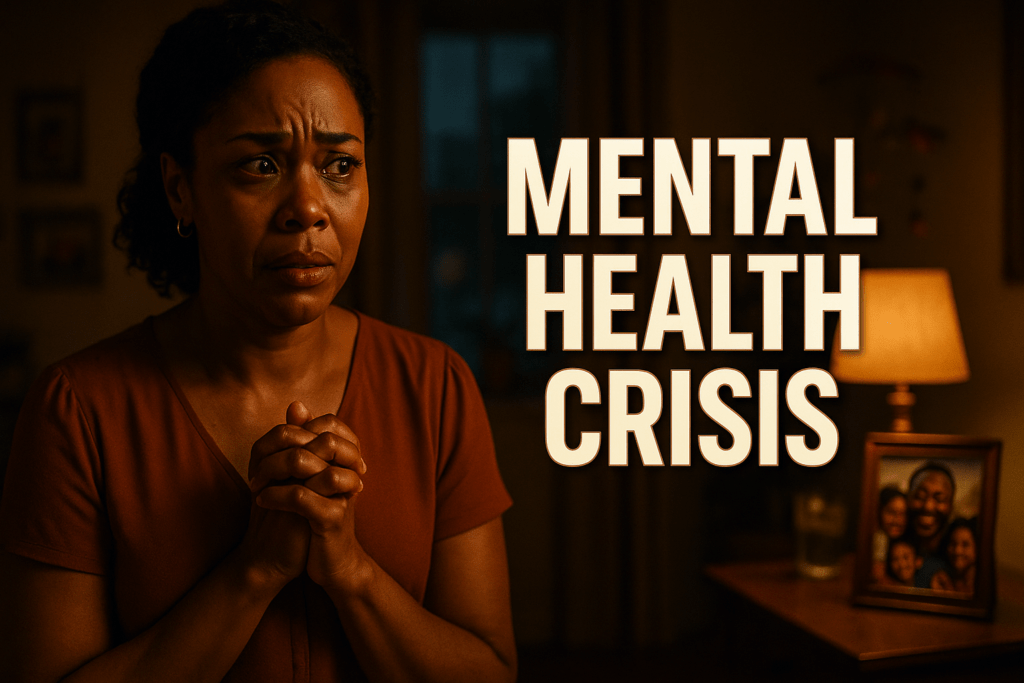
When Paulette Tennison Sanders called 911 for her son, John Daniel Scott Jr., she was seeking help, not harm. Scott was experiencing a mental health crisis on April 15, 2025, a situation defined by acute emotional distress where behavior can pose a risk (Aurora Mental Health & Recovery). These crises might involve psychosis, paranoia, or threats, often triggered by trauma or basic self-care failures (KVC Health Systems; NAMI Wisconsin). Sanders called Decatur police twice that day (‘Stop Punching Him!’). Initially, officers assessed Scott and left, determining he wasn’t a threat. However, they later returned with paramedics.
During the second encounter, the situation shifted dramatically. Police discovered Scott had an outstanding warrant from 2021. Such warrants can arise from minor issues like traffic violations or failure to appear in court, often leading to unexpected arrests during unrelated interactions (Jeff Weiner Law; Arnold Ventures). Bodycam footage revealed Scott spoke civilly with officers for 13 minutes before they moved to arrest him (ABC News). Subsequently, the interaction escalated violently. Officers tased and punched Scott, restraining him as he repeatedly cried out, “I can’t breathe.” He was taken to Morgan County Jail, showed signs of medical distress, and tragically died a week later from a heart attack and kidney failure (Police Brutality Center). The specific medical cause linking the encounter to his death wasn’t detailed in the provided sources, nor was the status of the officers involved.
Systemic Failures: The Alabama Mental Health Crisis
John Daniel Scott Jr.’s death underscores a deeper, more systemic problem within Alabama: a severe lack of resources and adequate response mechanisms for mental health crises. The state struggles with one of the highest rates of untreated mental illness in the nation. Nearly 20% of adults are affected, yet fewer than half receive any care (Alabama Reporter). This treatment gap is stark, with Alabama reporting only a 12.3% treatment rate for those with mental illness (UA News). Consequently, individuals experiencing crises often encounter law enforcement instead of healthcare professionals.
The consequences of this gap are evident in the state’s correctional system. In 2019, over 4,600 Alabama inmates had diagnosed mental impairments, highlighting a failure to divert vulnerable individuals toward treatment rather than incarceration (Alabama Reporter). Alabama’s Stepping Up program attempts to address this by screening jail inmates; it found that 20% of the 46,393 inmates screened tested positive for mental health or substance use disorders (Alabama Department of Mental Health). The program aims to provide case management and reduce recidivism. Nevertheless, insufficient funding and community support hinder its overall effectiveness.
Alabama Mental Health Statistics
Recognizing the scale of the problem, Alabama has developed a five-year plan aimed at significantly improving its mental health infrastructure. This plan intends to double the number of civil commitment beds from 13.4 to 30 per 100,000 residents and increase the number of crisis centers from 6 to 11 by 2026 (Alabama Daily News). Funded partly by opioid settlements, the plan allocates $23.4 million for new beds in 2026 and aims to expand mobile crisis teams from 14 to 23 statewide. However, successful implementation hinges on overcoming persistent budget constraints and ensuring adequate community support.
National Struggles: Police Brutality and Mental Health
The challenges seen in Alabama reflect a broader national issue where law enforcement agencies often become the default responders to mental health crises. This situation is fraught with risk, as individuals with untreated severe mental illness are estimated to be 16 times more likely to be killed during a police encounter (Treatment Advocacy Center). Shockingly, studies suggest that between 25% and 50% of all fatal police encounters involve individuals with severe mental illness. Meanwhile, police officers themselves face mental health challenges; a 2020 study found 26% exhibited symptoms of a mental health condition, yet only 17% sought help, often due to stigma and confidentiality concerns (PMC).
The sheer volume of these calls strains police resources. For instance, Charlottetown, Canada, saw mental health calls to police increase by 180% between 2018 and 2022 (Digital Commons), reflecting a trend likely mirrored in many U.S. cities. In response, some communities are implementing co-responder models. These programs pair police officers with mental health professionals to respond jointly to crisis calls (WellStone). The goal is to de-escalate situations and connect individuals with behavioral health services instead of jail (IACP). Furthermore, preliminary evidence suggests these models can reduce arrests and emergency room visits. Despite their potential, such programs remain relatively rare nationwide.
National Police & Mental Health Challenges
Alabama police, like many across the country, often lack specialized training for handling mental health crises effectively (UA News). This gap is critical, especially given the state’s low mental health treatment rates, which inevitably lead to more interactions between police and individuals in crisis. To address this, researchers at the University of Alabama are developing web-based training tools for officers. Nevertheless, systemic change requires more than just training; it needs adequate funding, policy reform, and robust community-based mental health services.
Excited Delirium Police Tactics and Decatur Concerns
In the aftermath of John Daniel Scott Jr.’s death, police cited “excited delirium” as a factor (Police Brutality Center). This term has historically been used by law enforcement to describe a state of extreme agitation, aggression, paranoia, and apparent insensitivity to pain, often associated with stimulant use (Virginia Law Review). However, “excited delirium” is highly controversial and lacks scientific validation. Major medical organizations, including the American Medical Association and the American Psychiatric Association, have formally rejected it (Lexipol). Critics argue it serves as a convenient, albeit medically unsound, justification for deaths occurring during forceful police restraints or custody.
The use of force in Scott’s arrest raises serious questions, particularly within the context of policing in Decatur, Alabama. This incident follows another high-profile case in 2023 where Decatur officer Mac Marquette was charged with murder for the shooting death of Steve Perkins, another Black man (‘Stop Punching Him!’). While the provided sources don’t offer enough detail to establish a definitive “pattern of force against Black men” by the department, these cases collectively fuel community concerns about police practices and accountability, especially in interactions involving Black individuals and those experiencing mental health crises. Ultimately, Scott’s tragic end highlights the urgent need for reform in how police respond to mental health calls, moving away from potentially lethal force and controversial justifications toward de-escalation and care.
Alabama’s 5-Year Mental Health Plan Goals (by 2026)
ABOUT THE AUTHOR
Darius Spearman is a professor of Black Studies at San Diego City College, where he has been teaching since 2007. He is the author of several books, including Between The Color Lines: A History of African Americans on the California Frontier Through 1890. You can visit Darius online at africanelements.org.
