
Chicago Police Arrest Highlights Accountability Demands and Reform Needs
By Darius Spearman (africanelements)
Support African Elements at patreon.com/africanelements and hear recent news in a single playlist. Additionally, you can gain early access to ad-free video content.
KEY TAKEAWAYS
| The arrest of Lorenzo Williams has intensified scrutiny on police use of force. |
| Officer Michael Donnelly has a documented history of misconduct complaints. |
| Lorenzo Williams has filed a lawsuit seeking justice for alleged excessive force. |
| Public video evidence is crucial in holding police accountable for their actions. |
| Trust between Chicago communities and police continues to erode due to incidents of brutality. |
| Efforts for police reform in Chicago face challenges despite some initiatives. |
| Civilian oversight is vital in assessing police conduct and preventing future misconduct. |
| Excessive force incidents are not isolated to Chicago but are a national issue. |
| The systemic nature of police misconduct calls for broad policy changes, not just individual accountability. |
| Community protests serve as a powerful mechanism for advocating police reform and accountability. |
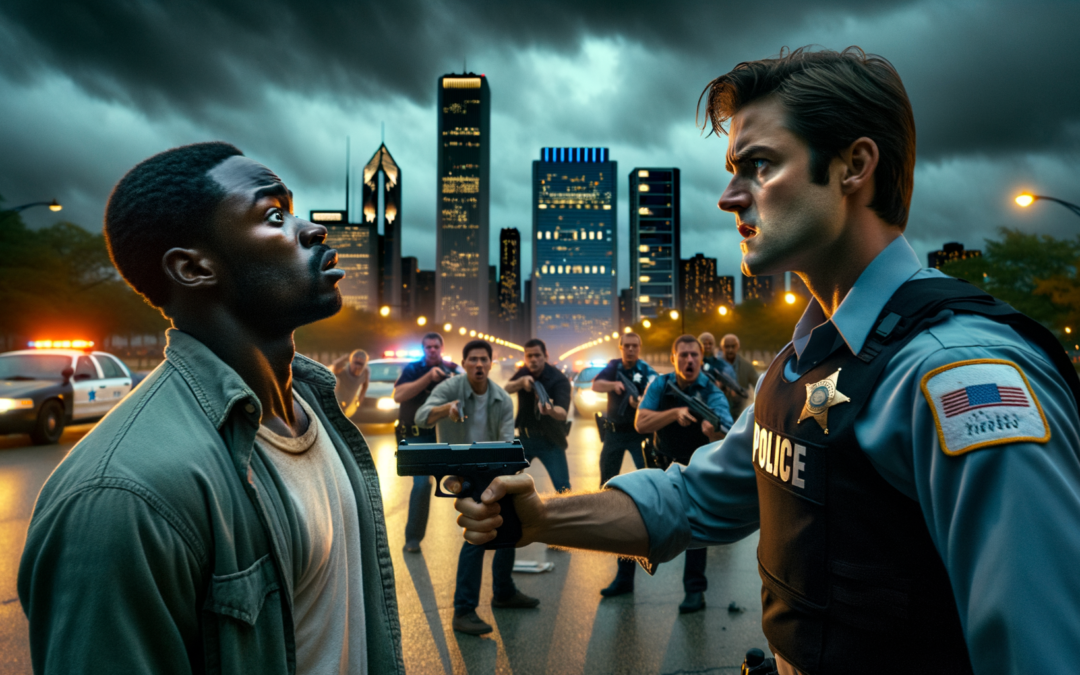
The Chicago police officer Michael Donnelly excessive force arrest of Lorenzo Williams lawsuit raises urgent calls for accountability and reform in law enforcement practices. (Image generated by DALL-E)
Chicago Police Officer Michael Donnelly’s Excessive Force Arrest of Lorenzo Williams Sparks Lawsuit and Accountability Demands
Chicago Police Arrest Raises Concerns Over Use of Force
A recent Chicago police arrest has once again thrust the issue of police brutality into the spotlight. On Tuesday, 32-year-old Lorenzo Williams was arrested in the Cabrini Rowhouses, facing felony and misdemeanor charges. But it’s not the charges that are drawing attention – it’s the way the arrest went down (CBS News).
Video footage of the arrest shows police using what many are calling excessive force to detain Williams. The images are shocking: an officer grips Williams by his braids while another strikes him in the head with a police radio. But the most alarming moment comes when an officer pulls out his weapon and holds it to Williams’ head, threatening to shoot (CBS News).
This incident has sparked outrage and calls for action. It’s not just another case of alleged police misconduct – it’s a stark reminder of the ongoing struggle for police reform in Chicago and across the nation.
The Arrest: What We Know
The details of the arrest are still under investigation, but here’s what we know so far:
- Lorenzo Williams was walking in the Cabrini Rowhouses area when police approached him.
- Police claim they saw Williams with a handgun in his waistband and tried to make an investigative stop.
- The situation quickly turned into a physical confrontation.
- Video footage shows officers using force, including hair-pulling and strikes to the head.
- An officer is seen pointing a gun at Williams’ head and making threats.
These facts paint a troubling picture of police conduct during the arrest. But they also raise questions about police training, de-escalation tactics, and the use of force policies in Chicago (CBS News).
The Officer: Michael Donnelly’s History
At the center of this controversy is Officer Michael Donnelly. This isn’t Donnelly’s first brush with accusations of misconduct. In fact, his record shows a history of complaints and disciplinary actions. This pattern of behavior raises serious questions about police accountability and the effectiveness of current oversight measures (CBS News).
Donnelly’s involvement in this case highlights a broader issue within the Chicago Police Department. How are officers with troubled histories allowed to remain on the force? What measures are in place to address repeated misconduct? These are questions that demand answers from city officials and police leadership.
Lorenzo Williams Lawsuit: Seeking Justice and Accountability
In response to the incident, Lorenzo Williams has filed a lawsuit against the Chicago Police Department. The lawsuit alleges illegal use of force, claiming that Williams was peacefully walking when approached by officers. This legal action is more than just a bid for compensation – it’s a demand for justice and accountability (CBS News).
The lawsuit brings several key issues to the forefront:
- The use of excessive force by police officers
- The rights of citizens during police encounters
- The need for better police training and de-escalation techniques
- The importance of body cameras and video evidence in police interactions
- The role of civilian oversight in holding police accountable
As this case moves through the legal system, it will likely become a focal point in the ongoing debate about police reform and accountability in Chicago.
The Impact on Community Trust
Incidents like this don’t just affect the individuals involved – they have a ripple effect throughout the community. Each case of alleged police brutality chips away at the trust between law enforcement and the people they’re sworn to protect. In Chicago, a city with a long history of tension between police and communities of color, rebuilding this trust is crucial.
The Role of Video Evidence
The video footage of Williams’ arrest has played a crucial role in bringing this case to public attention. It underscores the importance of body cameras and civilian recordings in police interactions. Without this visual evidence, it’s possible that this incident might have gone unnoticed or unchallenged.
Police Reform Chicago: A Long Road Ahead
The Williams case is just the latest in a long line of incidents that have fueled calls for police reform in Chicago. The city has a troubled history when it comes to police misconduct and excessive force. From the notorious Jon Burge torture cases to the shooting of Laquan McDonald, Chicago has seen its share of high-profile police brutality cases.
In recent years, there have been efforts to address these issues:
- The creation of the Civilian Office of Police Accountability (COPA)
- Implementation of body camera programs
- Changes to use of force policies
- Increased training on de-escalation techniques
- Efforts to improve community relations
However, incidents like the Williams arrest show that there’s still a long way to go. Real, meaningful reform requires more than just policy changes – it demands a fundamental shift in police culture and practices.
The Role of Civilian Oversight
One key aspect of police reform is the role of civilian oversight. In Chicago, COPA is tasked with investigating police misconduct. But how effective is this oversight? The Williams case will be a test of COPA’s ability to hold officers accountable and push for meaningful changes within the department.
Training and De-escalation
Another crucial area for reform is police training, particularly in de-escalation techniques. The video of Williams’ arrest raises questions about whether officers are adequately trained to handle tense situations without resorting to excessive force. Improving this training could go a long way in preventing future incidents.
Excessive Force Incidents: A National Problem
While the Williams case is unfolding in Chicago, it’s important to remember that excessive force by police is a national issue. From New York to Los Angeles, cities across the country are grappling with similar problems. Each incident adds to the growing call for nationwide police reform and accountability.
Some key statistics highlight the scope of the problem:
- In 2020, police killed 1,021 people in the United States.
- Black Americans are 3 times more likely to be killed by police than white Americans.
- 58% of police killings in 2020 began with traffic stops, mental health checks, or other non-violent offenses.
- Only 1% of police killings in 2020 resulted in officers being charged with a crime.
- Despite making up only 13% of the US population, Black Americans account for 28% of those killed by police since 2013.
These numbers paint a stark picture of the challenges facing our nation when it comes to police use of force and accountability.
Police Accountability Issue: Beyond Individual Cases
While individual cases like Williams’ are important, they’re part of a larger systemic issue. True police accountability goes beyond punishing individual officers for misconduct. It requires addressing the underlying culture and policies that allow such incidents to occur in the first place.
Some key areas that need to be addressed include:
- Transparency in police departments
- Reform of qualified immunity laws
- Improved data collection on police use of force
- Changes to police union contracts that often shield officers from accountability
- Increased funding for alternative response models for non-violent situations
Addressing these issues will require sustained effort and political will. But it’s necessary if we want to create a justice system that truly serves and protects all members of our society.
Chicago Protests Against Police: A Community Responds
In the wake of the Williams arrest, Chicago has seen renewed protests against police brutality. These demonstrations are part of a long tradition of civil rights activism in the city. They serve as a powerful reminder that the community will not stay silent in the face of injustice.
These protests play a crucial role in pushing for change. They keep the issue in the public eye, pressure officials to take action, and provide a voice for those who often go unheard. As the Williams case unfolds, it’s likely that we’ll see more community action and demands for reform.
History of Police Misconduct: Learning from the Past
To truly understand the current situation, we need to look at the history of police misconduct in Chicago. This isn’t a new problem – it’s one that has deep roots in the city’s past. From the violent response to civil rights protests in the 1960s to more recent scandals, Chicago has a long and troubled history when it comes to police-community relations.
Understanding this history is crucial for several reasons:
- It provides context for current events
- It helps identify patterns of behavior that need to be addressed
- It shows the long-term impact of police misconduct on communities
- It highlights the importance of sustained, meaningful reform
- It reminds us of the progress that has been made, even as we acknowledge how far we still have to go
By learning from the past, we can work towards creating a better future – one where incidents like the Williams arrest are the exception, not the rule.
Police Brutality Cases Chicago: A Call to Action
The Lorenzo Williams case is just the latest in a long line of police brutality cases in Chicago. Each case represents not just an individual tragedy, but a failure of the system. It’s a reminder that despite years of promises and reforms, fundamental problems persist within the Chicago Police Department.
But these cases also represent opportunities for change. They shine a light on problems that might otherwise go unnoticed. They galvanize public opinion and create pressure for reform. Most importantly, they remind us of the human cost of police misconduct and the urgent need for action.
As this case moves forward, it’s up to all of us – citizens, activists, policymakers, and yes, police officers themselves – to demand better. We must push for transparency, accountability, and meaningful reform. Only then can we hope to create a police force that truly serves and protects all members of our community.
The road ahead is long, but the stakes are too high to give up. The fight for justice and accountability continues, one case at a time.
ABOUT THE AUTHOR
Darius Spearman is a professor of Black Studies at San Diego City College, where he has been teaching since 2007. He is the author of several books, including Between The Color Lines: A History of African Americans on the California Frontier Through 1890. You can visit Darius online at africanelements.org.
