
Listen & Share
St. Louis Tornado: A Community’s Fight for Just Recovery
By Darius Spearman (africanelements)
Support African Elements at patreon.com/africanelements and hear recent news in a single playlist. Additionally, you can gain early access to ad-free video content.
St. Louis: Tornado Impact and Aftermath
On May 16, 2025, the Greater St. Louis area faced the destructive power of an EF3 tornado, a storm classification that signifies severe damage. This powerful tornado began its journey near Clayton, a suburban area, and tracked northeastward, crossing into Illinois before finally dissipating near Southern Illinois University Edwardsville (National Weather Service, Wikipedia). An EF3 tornado carries tremendous force, with wind speeds ranging from 136 to 165 miles per hour (Facts Just for Kids). Furthermore, such winds can tear apart entire stories of well-built houses, severely damage large commercial structures, overturn trains, and even lift heavy vehicles (Illinois Extension, National Weather Service). The impact felt throughout St. Louis proved this frightening reality.
The immediate human cost of this devastating storm was tragic. The Richmond Heights area, a suburban city within the St. Louis metropolitan area, bore the brunt of the tornado’s fury, experiencing five fatalities and 38 injuries (National Weather Service, Wikipedia). This neighborhood became a focal point of the destruction, showcasing the immense vulnerability of communities when confronted by such a powerful force. Beyond the immediate casualties, thousands of buildings across St. Louis sustained damage (National Weather Service). The devastation was far-reaching, setting the stage for a long and arduous path to recovery. To be sure, these numbers only begin to tell the story of the profound impact on lives and livelihoods across the region.
Understanding the St. Louis Tornado’s Human and Economic Toll
Disaster’s Unfolding Economic Toll
The financial ramifications of the EF3 tornado in St. Louis are immense, with damages estimated to exceed $1 billion (KSDK). To be sure, this staggering figure encompasses structural damage to thousands of homes and businesses, disruptions to infrastructure, and the massive costs associated with cleanup. The full economic impact, however, extends far beyond initial assessments, affecting local economies, job markets, and the long-term prosperity of the region. Many businesses struggle to reopen, and residents face the complex journey of rebuilding their lives. The financial burden creates a ripple effect, impacting local tax bases and vital community services.
Moreover, the broader context of the tornado outbreak highlights a widespread pattern of destruction across the Midwest and Southeast. The May 15-16, 2025, outbreak spawned a total of 55 tornadoes, leading to 27 tornadic deaths and four non-tornadic deaths (Wikipedia). This underscores the scale of the natural disaster, placing St. Louis within a larger regional crisis. While the St. Louis tornado inflicted severe damage, its impact is part of a larger narrative of disaster preparedness and recovery challenges across the nation. The collective economic toll from such widespread events places significant strain on federal and state resources, potentially creating delays and inequities in aid delivery, especially for those in need.
Unequal Recovery in Black Communities
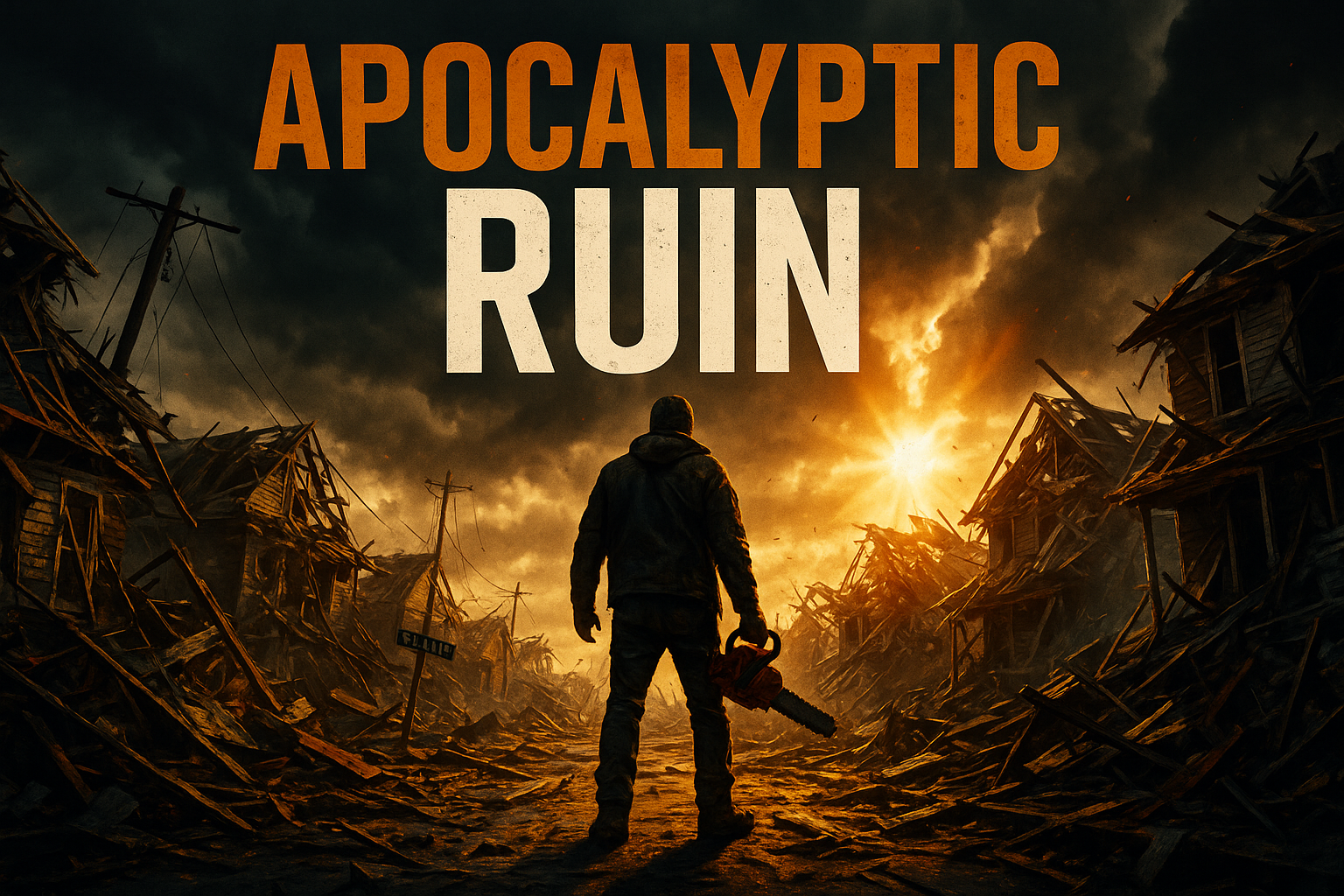
More than two weeks following the tornado, the disparities in recovery efforts became starkly apparent. Governor Mike Parson of Missouri issued an urgent plea to former President Donald Trump, describing some neighborhoods as being in an “apocalyptic state” and lacking sufficient assistance (Atlanta Black Star). This powerful phrase, “apocalyptic state,” characterizes an area of extensive ruin, with homes flattened and infrastructure destroyed, creating an environment of utter desolation. The neighborhoods referenced, largely inhabited by African American residents, reflect systemic neglect and historical underinvestment. The decision by Governor Parson, a Republican, to seek direct assistance from Trump, rather than through traditional federal channels, may reflect political alliances or an attempt to leverage influence outside standard protocols. This illustrates the complex interplay of politics and disaster response, which can disproportionately affect marginalized communities.
The plight of these Black neighborhoods is particularly concerning. Research continues to show that under-resourced communities, frequently Black and marginalized, receive less aid and experience slower recovery times after disasters (FEMA, Missouri Emergency Management). The disparities in St. Louis highlight a critical pattern of systemic racism in disaster aid distribution, where bureaucratic delays and funding priorities often overlook the most vulnerable populations. The media’s varying coverage also plays a role in this inequity. The Atlanta Black Star notably highlighted the devastating conditions in these Black neighborhoods, emphasizing the community’s cry of “Nobody Helped Us” (Atlanta Black Star). In contrast, some mainstream outlets may have given less prominence to these racial and equity dimensions, limiting public awareness and political pressure for equitable relief. The delayed and inadequate response for these communities perpetuates cycles of hardship, forcing residents to contend with compounding challenges long after the storm passes.
Unequal Paths: St. Louis’s Post-Tornado Recovery
St. Louis’s Stormy Horizon
The frequency of tornadoes in the St. Louis area during 2025 has raised significant concerns. By early May of that year, the St. Louis forecasting area had already confirmed 27 tornadoes (Spectrum Local News). This number is notably higher than the typical annual tornado count for the region, where fewer tornadoes are usually observed across an entire year. April and May historically account for 40% of all annual tornadoes (Spectrum Local News), indicating a peak season, but 2025’s early count underscores an unusually active period. This heightened frequency places immense strain on emergency systems and increases the vulnerability of communities.
Furthermore, this increase in severe weather events may be connected to broader climate variability. Studies indicate an increasing frequency and intensity of tornadoes in parts of the United States, often linked to the effects of climate change. The St. Louis region, situated at the periphery of what is known as Tornado Alley, has experienced fluctuating tornado activity throughout its history. However, the 2025 season stands out as unusually active and potentially alarming. Such a trend accentuates the risks, disproportionately affecting marginalized populations who possess fewer resources to prepare for and recover from increasingly frequent and devastating storms. The National Weather Service (NWS) plays a critical role in issuing timely tornado watches and warnings (National Weather Service). Even so, local access to preparedness resources remains unequal, directly impacting community resilience, especially in historically underserved areas.
St. Louis’s Escalating Tornado Activity
Pathways to Equitable Resilience
The long-term recovery for African American communities in St. Louis affected by the tornado requires focused, coordinated, and adequately funded efforts. Unfortunately, historical patterns show that long-term recovery in marginalized neighborhoods often lacks proper coordination and sufficient resources, impacting the rebuilding of housing, infrastructure, and crucial social services. Without specific and publicly available plans for robust, equity-focused recovery in these St. Louis neighborhoods, there exists no guarantee that aid will address the systemic inequities that are integral to true rebuilding. This calls for inclusive planning and sustained investment to prevent repeated cycles of hardship, thereby empowering communities to genuinely heal and reconstruct.
Local government and Black community leaders in St. Louis are vital advocates in demanding more targeted recovery and aid. Yet, their voices sometimes receive less prominent attention than state-level officials. Understanding the differing approaches and criticisms from local leaders regarding state and federal aid delivery is essential for comprehending the dynamics of community advocacy and responsiveness. For instance, grassroots organizations often step in to fill critical gaps left by official aid, underscoring their irreplaceable role in disaster response and recovery for underserved populations. The disparity in aid highlights the urgent need for a comprehensive, equity-focused disaster management reform. This reform would prioritize the needs of vulnerable communities, ensuring fair access to resources, and supporting community-driven recovery processes that build genuine resilience in the face of future disasters.
ABOUT THE AUTHOR
Darius Spearman has been a professor of Black Studies at San Diego City College since 2007. He is the author of several books, including Between The Color Lines: A History of African Americans on the California Frontier Through 1890. You can visit Darius online at africanelements.org.
